Cape MacClear
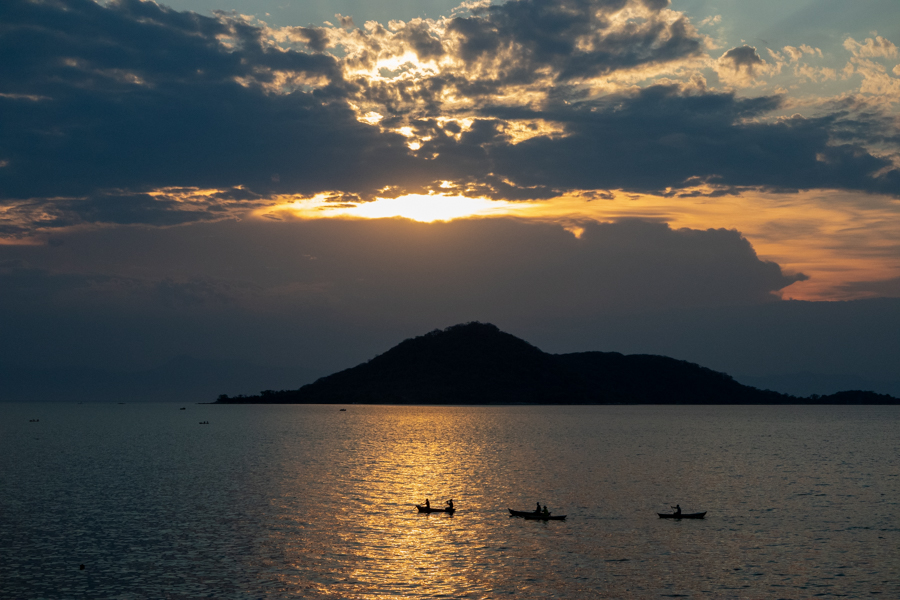
"I went to sleep dreaming of Malawi, and all the things made possible when your dreams are powered by your heart."
William Kamkwamba
Lake Malawi was first described by Livingstone in 1859. He named Cape MacClear after a friend and colleague William MacClear. Cape MacClear is arguably the most popular tourist spot in Malawi, and a firm favourite of backpackers and overlanders. It sits on the southern shore of the lake surrounded by the Lake Malawi National Park.
Lake Malawi National Park is a national park at the southern end of Lake Malawi. It is the only national park in Malawi that was created with the purpose of protecting fish and aquatic habitats. It was proclaimed in 1980 and declared a UNESCO World Heritage Site in 1984, primarily because of the "global importance for biodiversity conservation due particularly to its fish diversity". This of course relates to the cichlid population, their restricted range and their important role in the real time study of rapid and very specific evolutionary adaptation.
We were running short of time in Malawi, driven by a deadline to meet up with family in Northern Mozambique and so our last stop was reserved for this very special spot, which came highly recommended by everyone we spoke to.
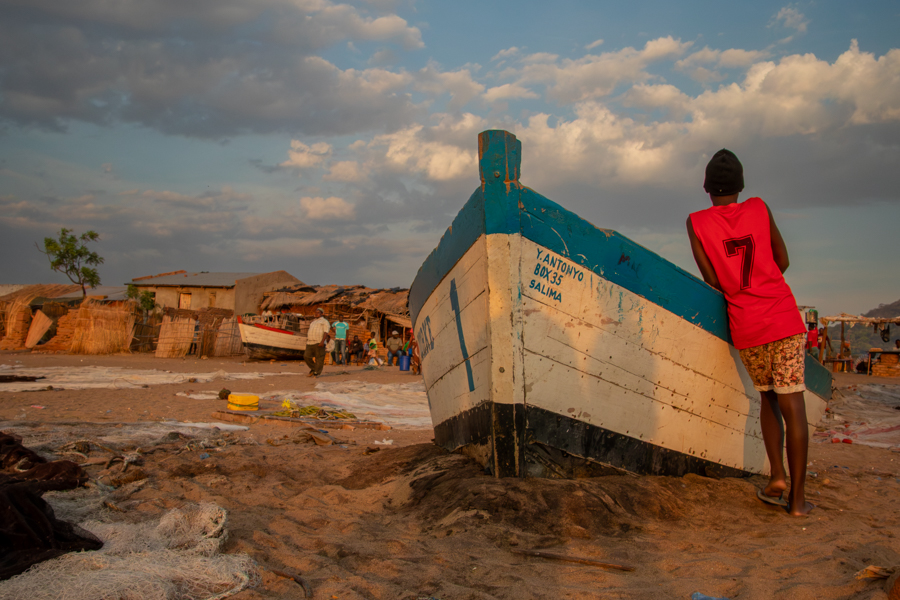
Lake Malawi National Park
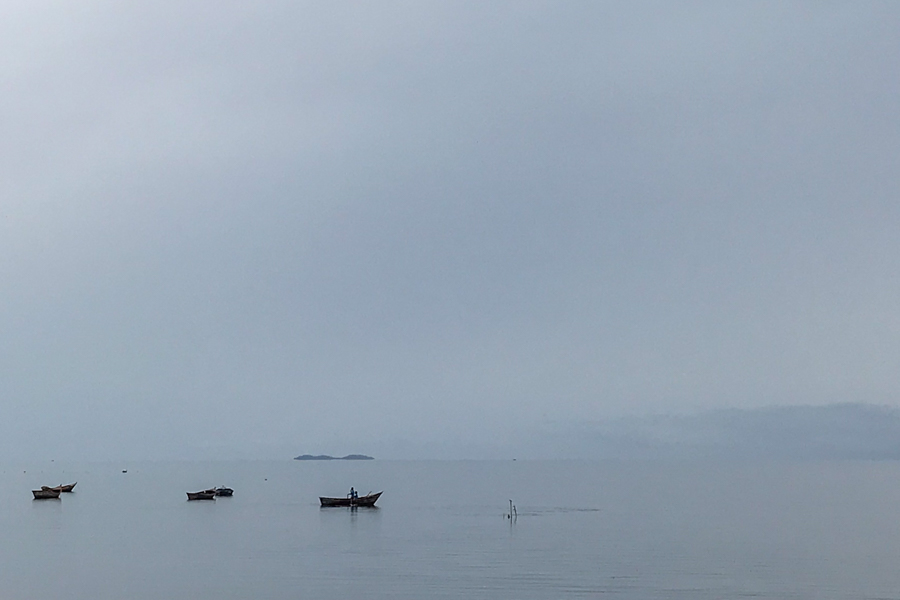
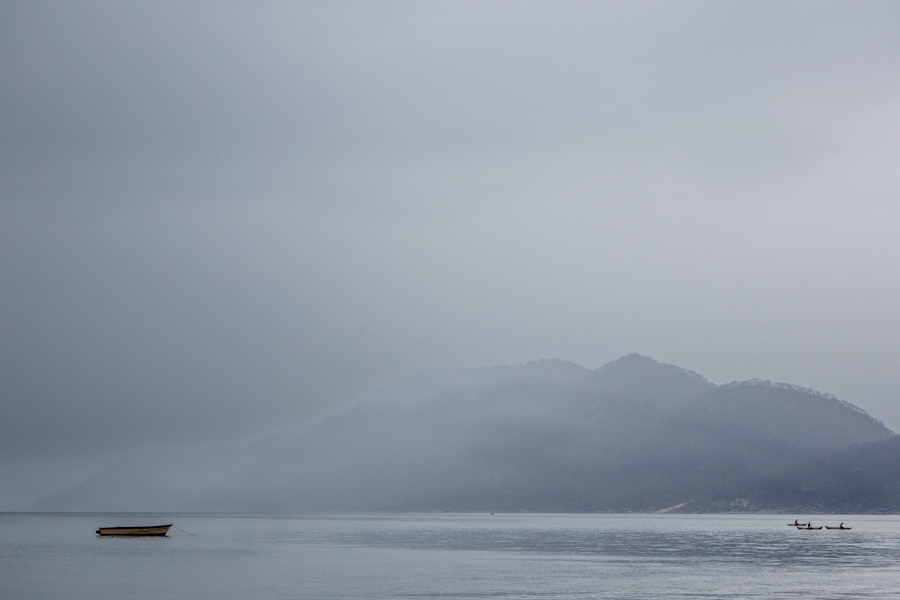
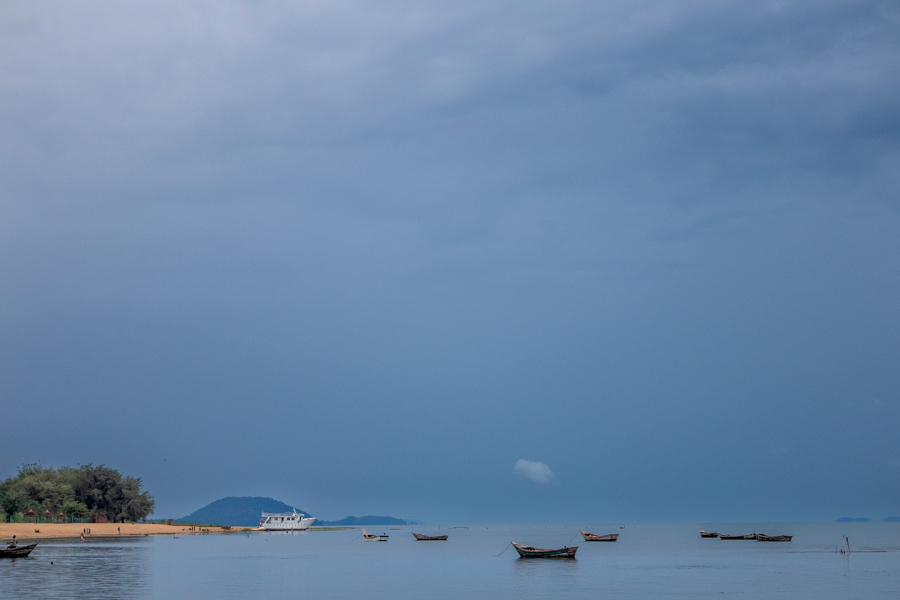
Early morning mist blurs the horizon of the lake.
Lake Malawi is 500 m above sea level and, with a depth of 700 m in places, is one of the deepest lakes in the world. Lake Malawi National Park consists of approximately 95 km2 of land and water at the southern end of the lake. The park includes most of the Nankumbu Peninsula, a mountainous headland that projects northwards into the lake terminating in Cape Maclear, plus the surrounding areas of water 100 meters from the lake shore which covers just 0.02% of the lake’s total area. There are 13 islands in the park. The slopes of the peninsula are clad in dense forests with few inhabitants on the mountainous part of the peninsula, but there are several fishing villages on the more level parts of the foreshore. These villages are inside the park but are not part of it.
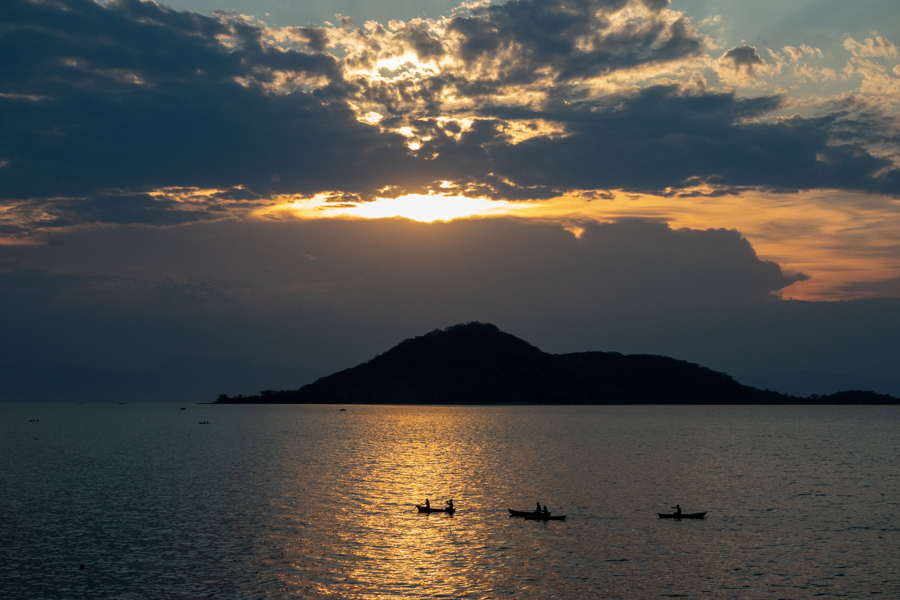
The water level has fluctuated greatly over the millennia. This has made a number of different niches available to the cichlids and other fish living there, which have adapted to different habitats and adopted different lifestyles as part of a rapid evolutionary radiation
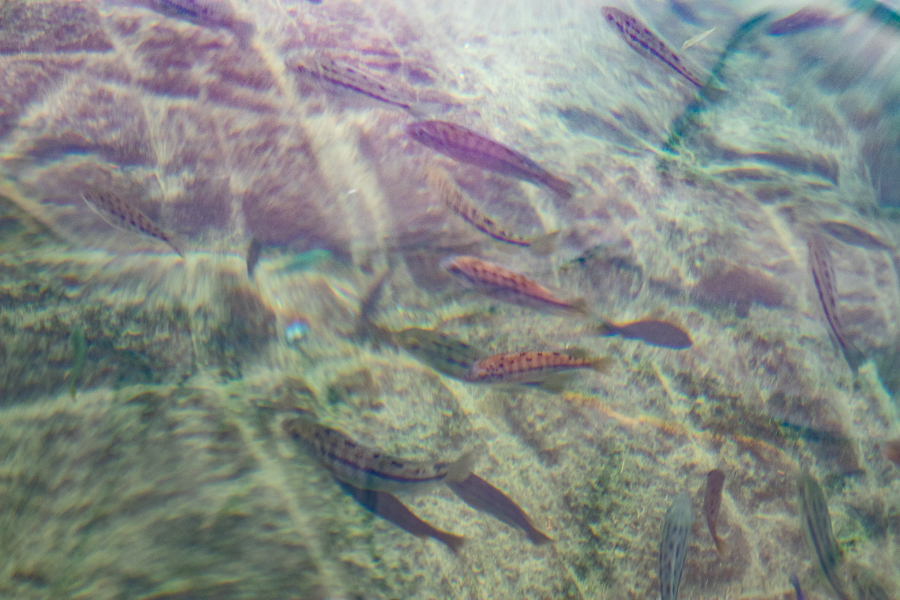
About 700 cichlid species are thought to be in the lake, nearly all are endemic, and some have minute ranges: a bay, a rocky islet or a few hundred metres of shoreline. It is likely some are not yet known to science and remain to be described. That's intriguing. Missing my camera again.
Eagles Nest
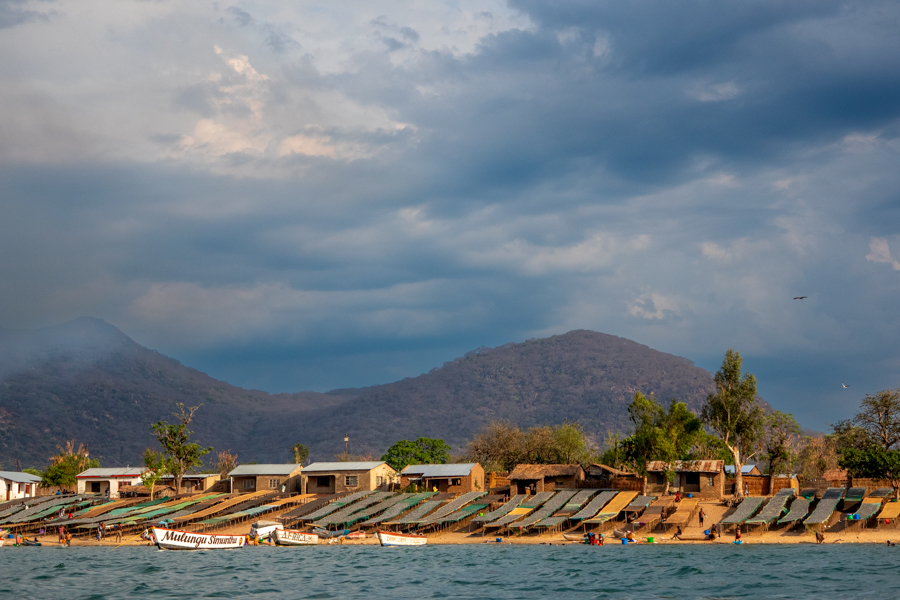
Cape MacClear beachfront from the lake
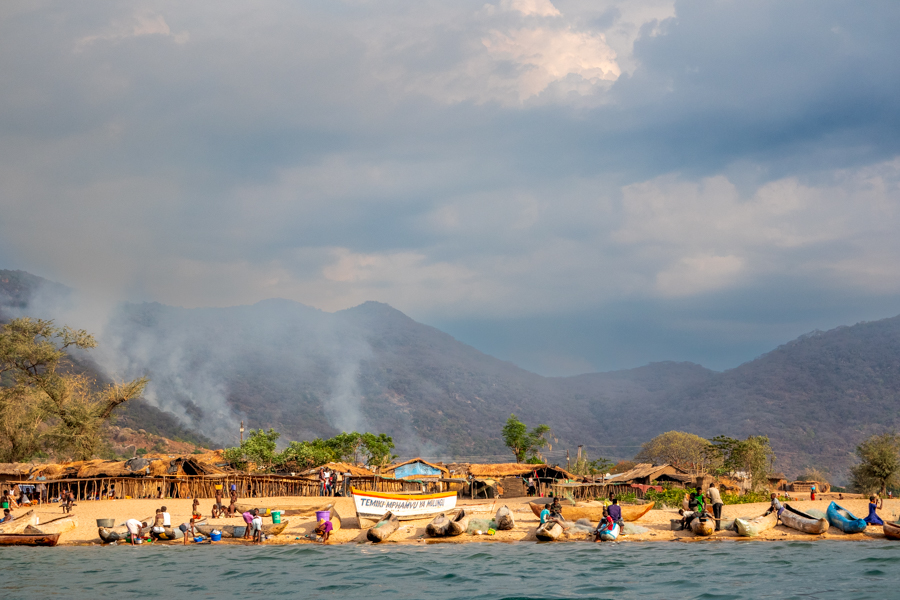
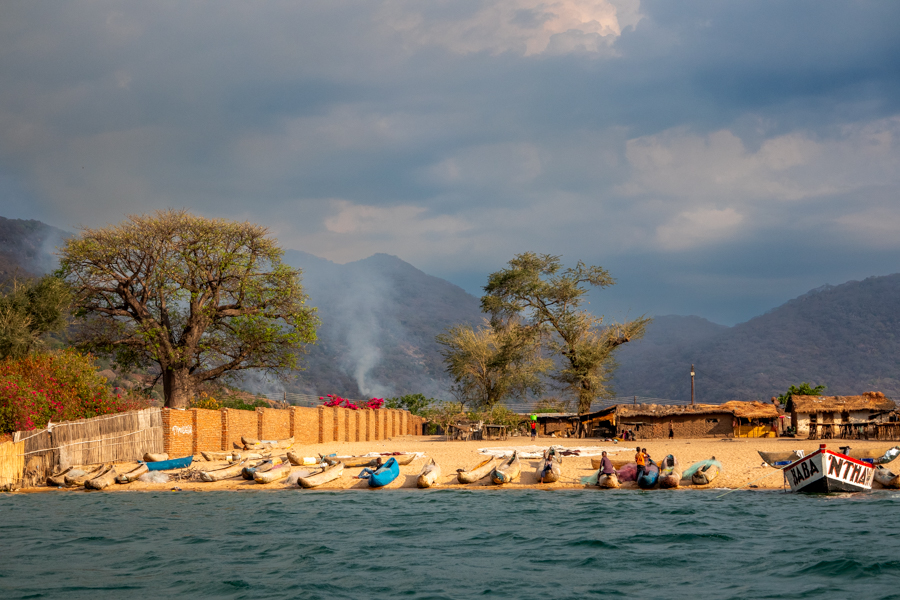
From Dedza we headed to Cape MacClear and a small lodge at the end of the beach called Eagles Nest. They had a small flat camp spot next to the lodge, on the beach overlooking the sea.
En route we found a guy on the escarpment selling carved bicycles and cars which were meticulous and incredibly detailed in their craftsmanship. The wheels turned, the pedals turned, the doors opened. I managed to bargain a Landrover for my Brother-in-law. We tucked it away with the other memorablia. A last homage to crafting. Our car was now officially bursting at the seams.
The heat was again overwhelming as we arrived and we immediately collapsed in the bar for a cold shandy. Brunch was underwhelming and took forever to arrive. Everything we ordered seemed to be off the menu but they only told us at 15 minute intervals and 1 ingredient at a time. 1 1/2 hours later they managed to produce a plain omelette. Anyway this was my only gripe, they welcomed us and the site was both peaceful and beautiful overlooking a long sandy beach and blue bay.
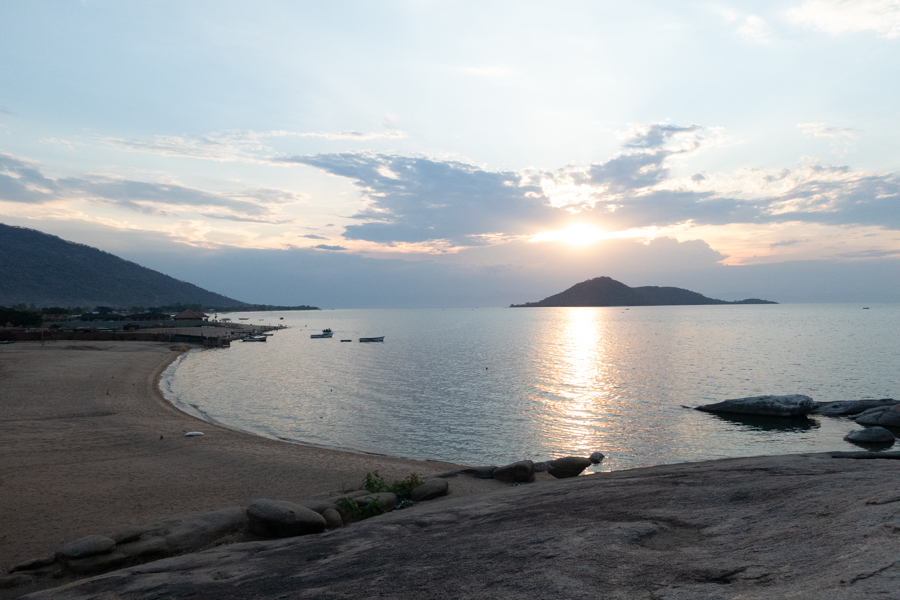
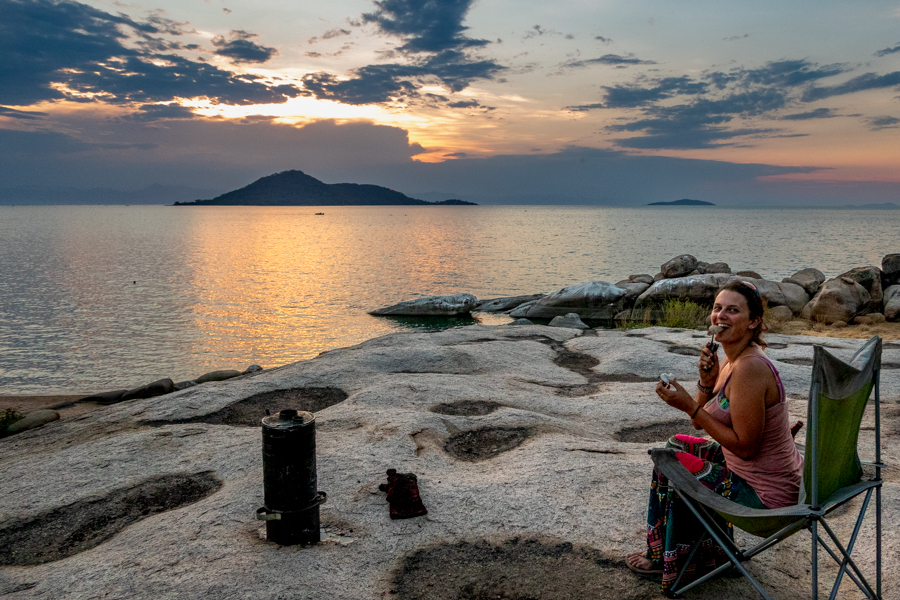
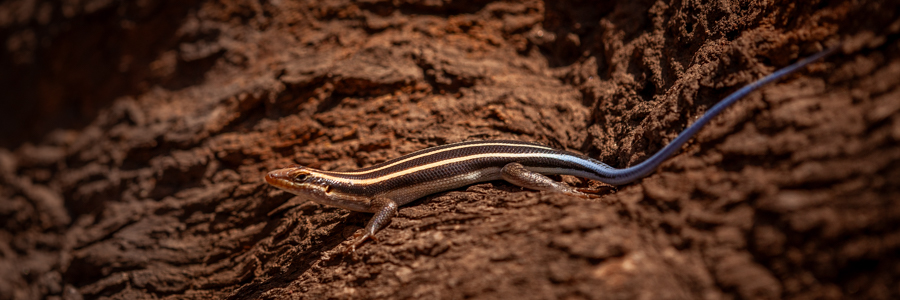
In the morning and evenings we would climb up the bolders behind the camp to cook in our little brazier with a view of the coast and the lake life. Rainbow skinks ran across the rocks. The fish eagles call was never far away.
There was a range of activities from the lodge, kayaking, swimming and snorkelling, fish eagle tours.
We decided on a day tour the next day to experience the best of the area.
Of Eagles, Cichlids and Giant Lizards
As the favoured tourist area of the lake, Cape MacClear offers many activities and tours. We decided on a full day on the lake, exploring, snorkelling and enjoying the local cuisine.
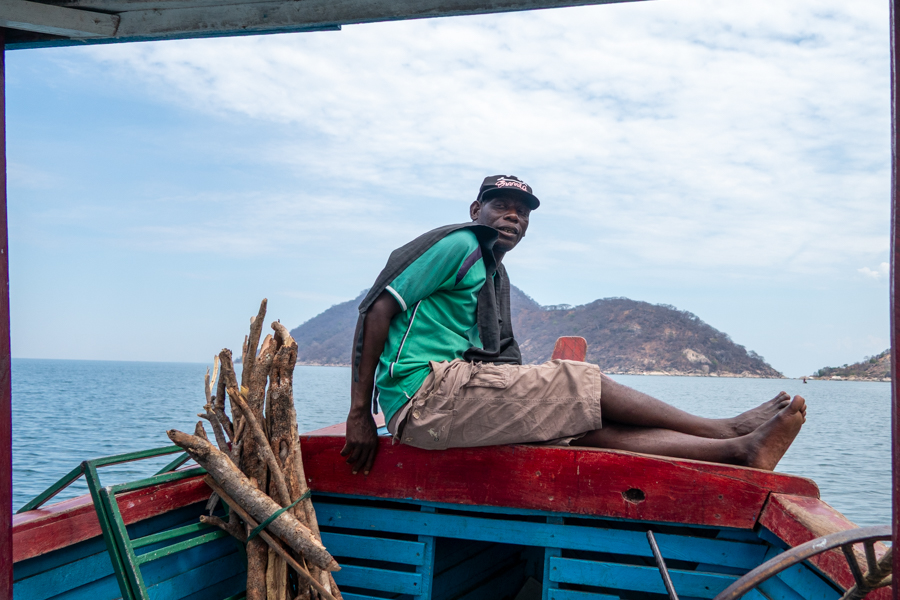
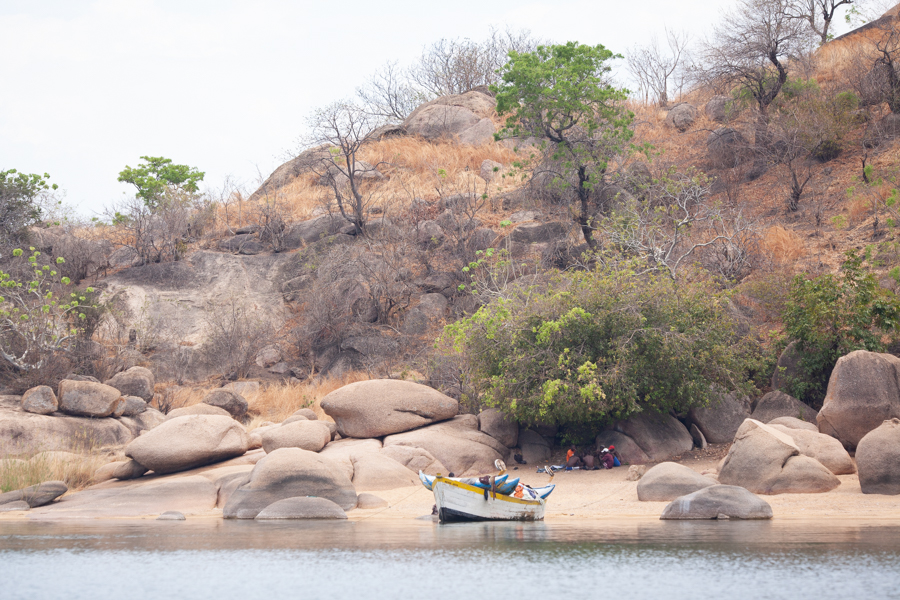
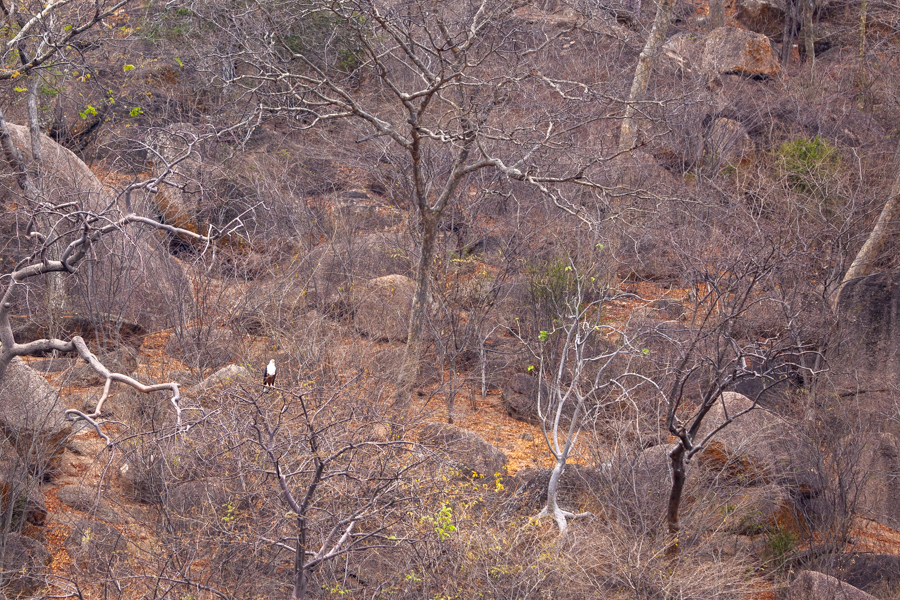
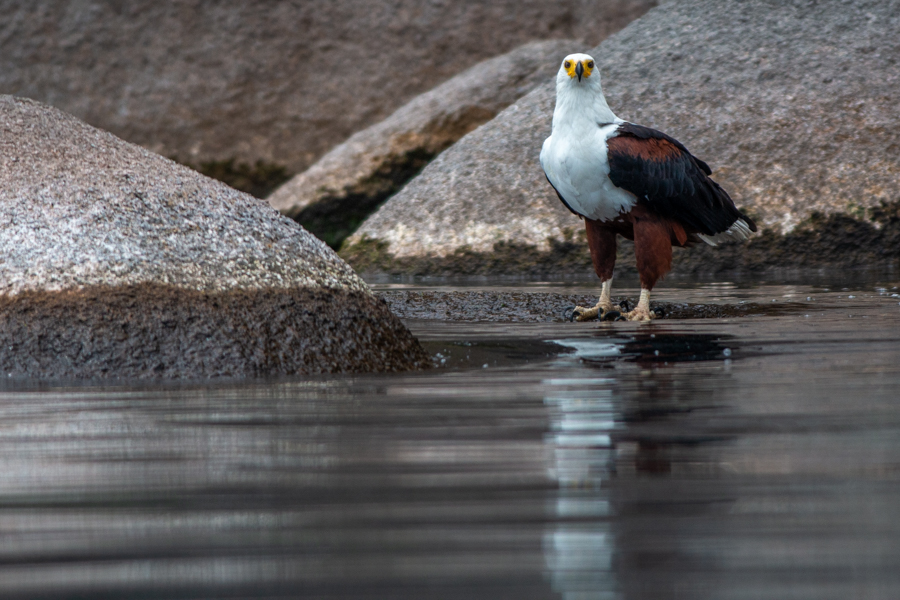
The boat was late (Malawi Time has a lot in common with Zululand Time) but eventually puttered into the bay, a modified fishing boat with shade canopy.
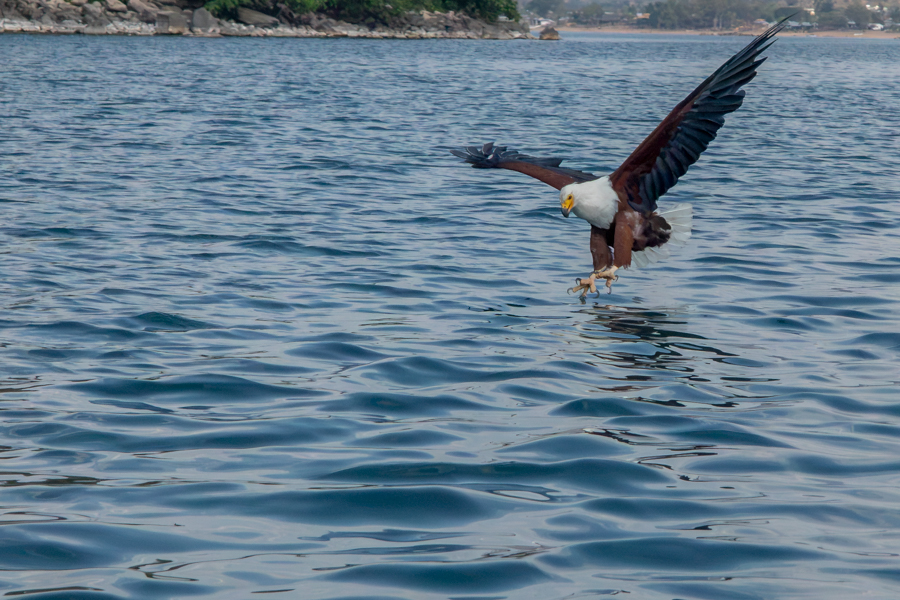
First stop was an island known for fish eagles nesting. Skipper Oliver threw fish for the eagles. It was as if someone rang a dinner bell so clearly the feeding is a regular event. He speared the fish with bamboo to ensure they floated but most never had the chance to test the process, as the birds caught them mid air.
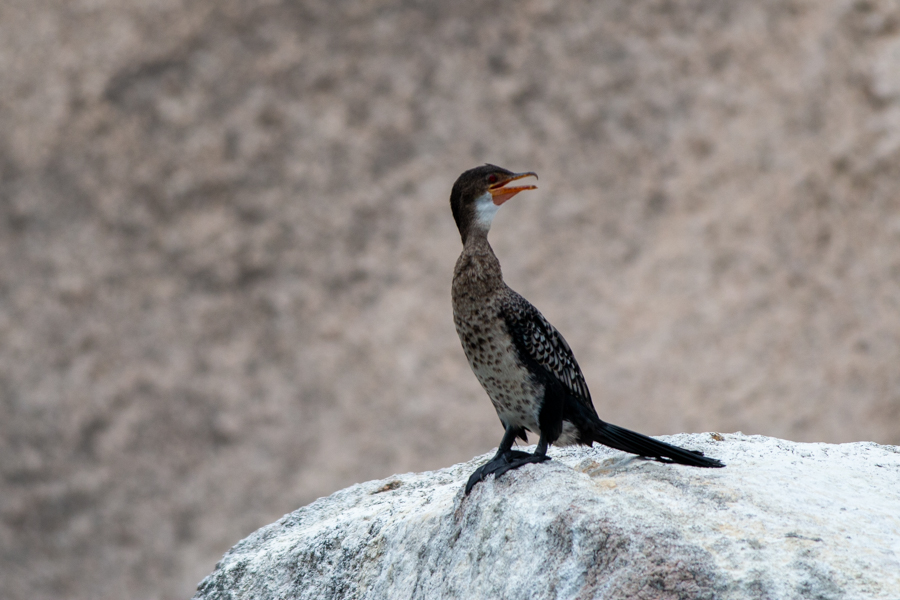
Despite it all photography was challenging. The boat rocked and our lenses were too long. This was before the new age eye focus techniques for flying birds. When I think about it now it makes me sigh for lost opportunities. There were many beautiful species along the lake, kingfishers, darters, hamerkop to name a few.
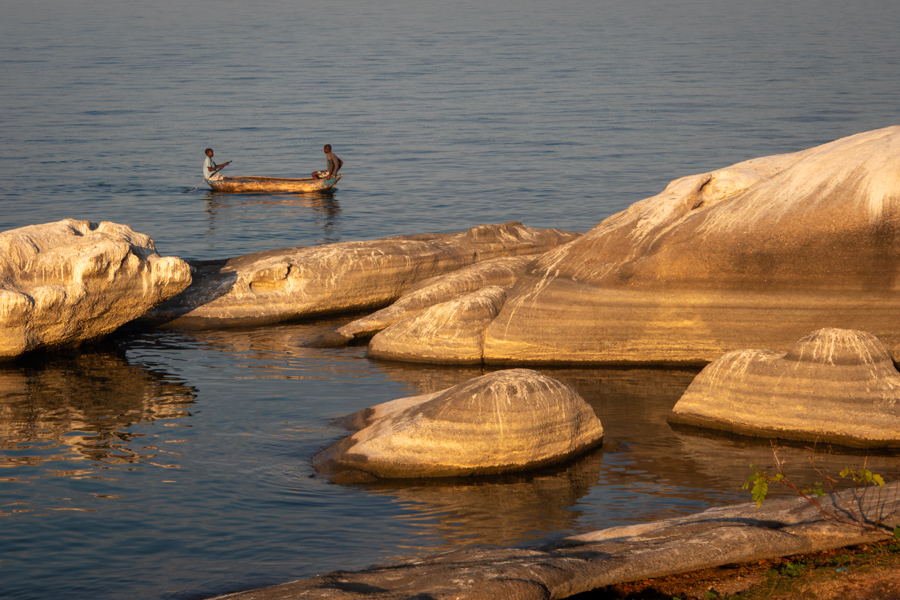
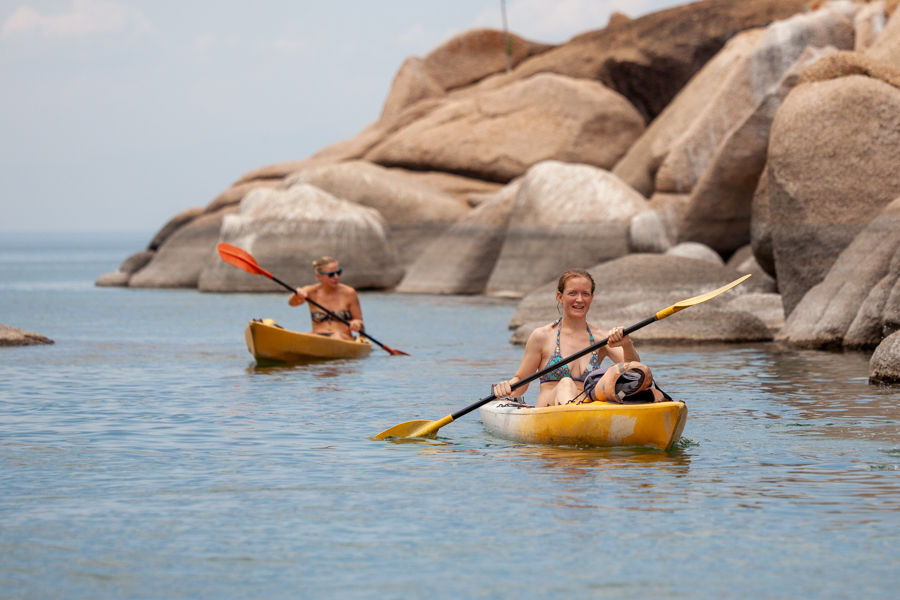
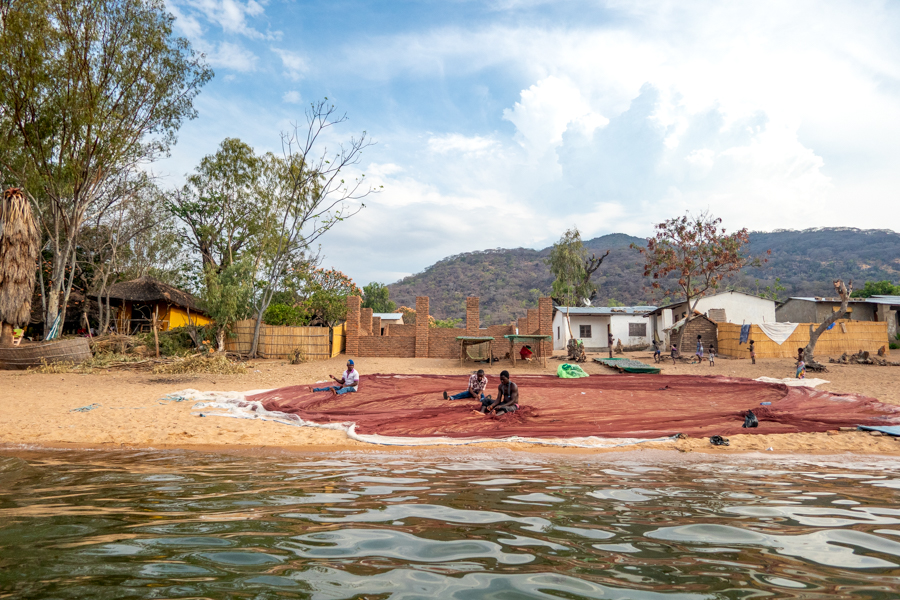
As we navigated the edge of the reserve there were many people in kayaks and fishermen mending nets in the coves.
We moored on another island for snorkelling. This was the motherlode. The fish were so plentiful and the colours brilliant in the crystal-clear water. I don't know if it is the geographical position or the protected status but the water clarity was so much better than anywhere else we had been. They threw in fish food and the fish rose in a kaleidoscope of colour. Sea grass sheltered small silver shoals nibbling on algae. It was really like swimming in an aquarium.
We moved on to another island, this time for a fish braai prepared by our intrepid captain. Butterfish again but he at least tried to remove some of the bones, and it was fresh from the catch.
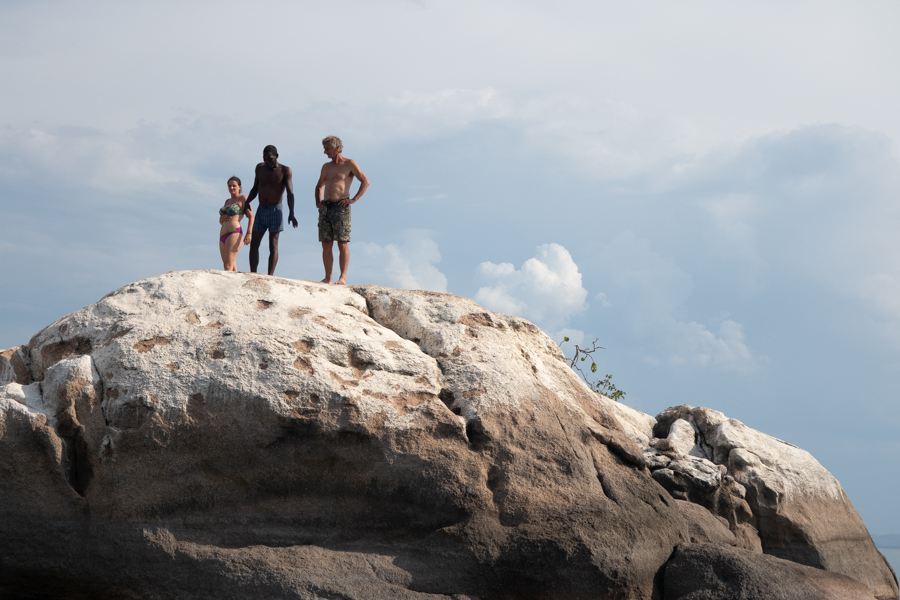
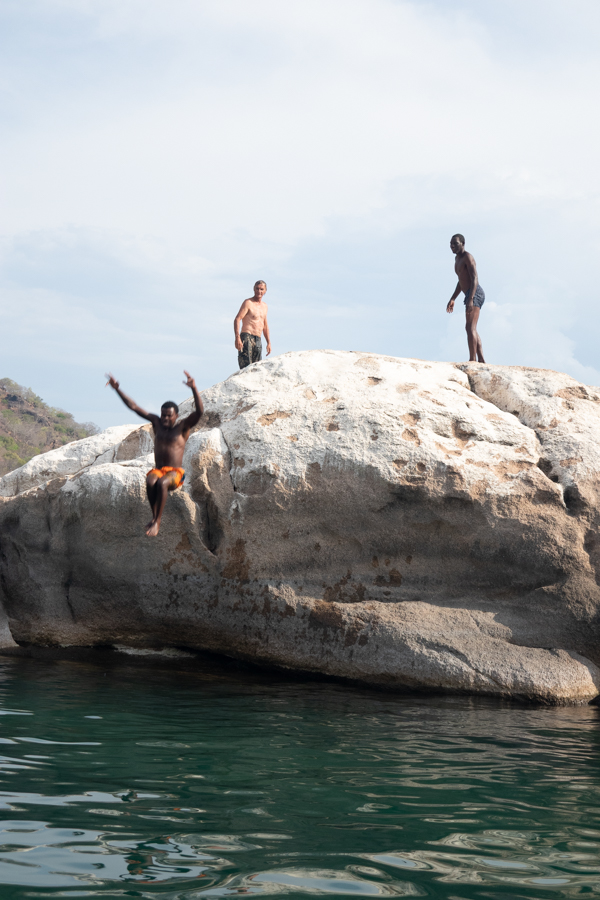
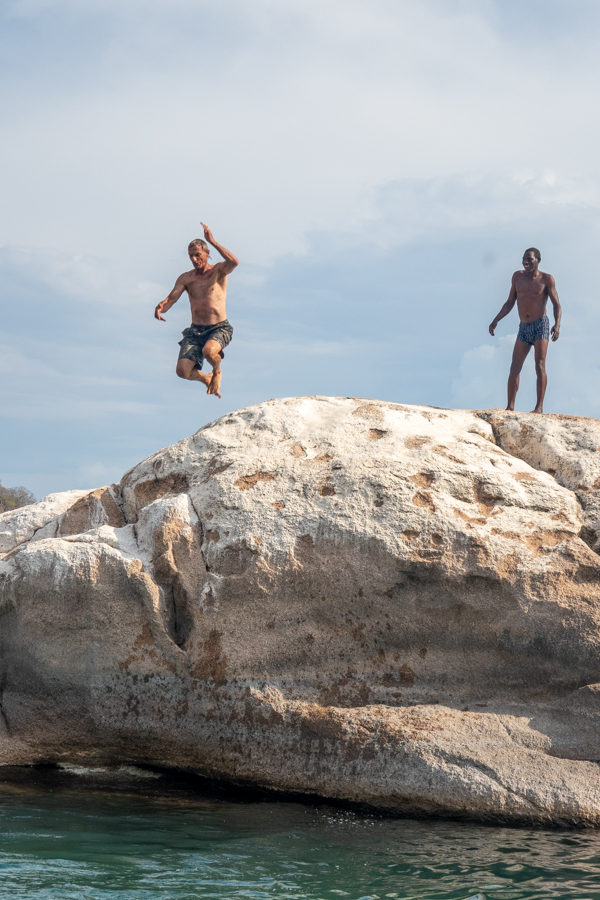
We swam, jumped off rocks and looked for otters and giant lizards on the way home, to no avail. The disappointment was tempered by the great day and Lisa finally found a lizard in a stormwater drain back at camp.
Godspeed and Dont Forget the Gin
It was time to head out and so we packed early and headed south once again for Mangochi, the southern most point of the lake. We were headed for the border at Chiponde and from there to Gurue, a tiny farming town in northern Mozambique. This had been the home of our nephew Ryan for the last 5 years, managing a macadamia farm, and would be our first trip there.
Before we left there was a need to clean up and do some last minute shopping. Most specifically for the famous Malawi Gin. Lisa and I had a plan to sort out all our Christmas presents in one fell swoop. The cars were full but there was always a place to hide a few precious bottles.
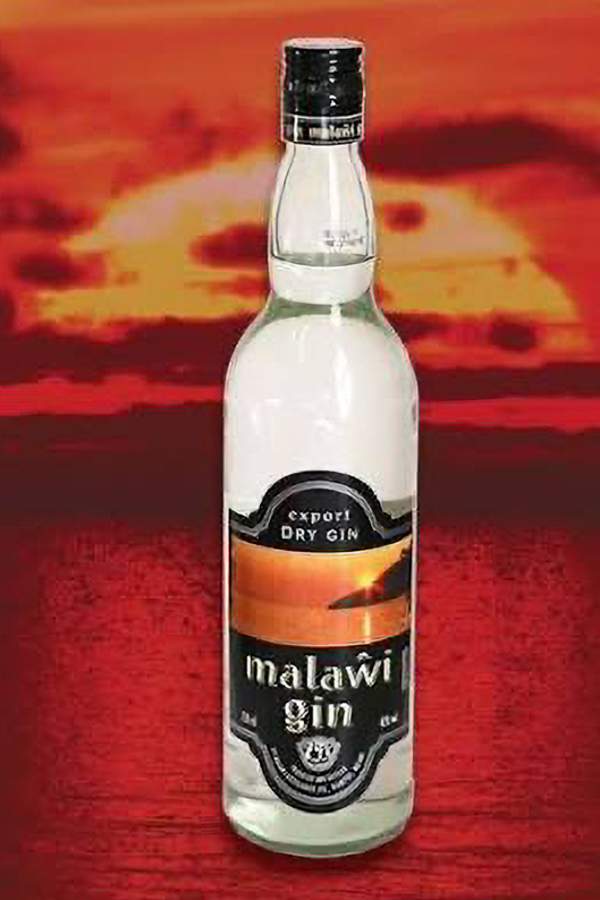
First distilled in 1965, Malawi Gin is the oldest and most iconic spirit brand in Malawi. Originally created to cater to British tourists and a growing expat population, it has since become a deeply celebrated national beverage, exported far beyond its borders.
Made from raw sugarcane and flavoured with juniper oil and other botanicals, it has a smooth body and citrus taste which pairs perfectly with the African sunset.
We searched high and low for the gin in Mangochi with no success. We were beginning to panic. Eventually we found a tiny kiosk in a back street with 7 dusty bottles. We bought the lot.
We first encountered it in the early 2000s when Lisa visited a school friend in Malawi one summer and brought a bottle back for us. They did not worry too much about young teens buying alcohol it seems.
Anyway I still firmly believe it stands tall among all the fancy international and SA brands, and at a fraction of the cost. In 2018 R50 would buy you a bottle.
Incidentally the price has jumped 5 fold since then and it is now much more widely available all around the world. In 2018 you would not see it outside Malawi.
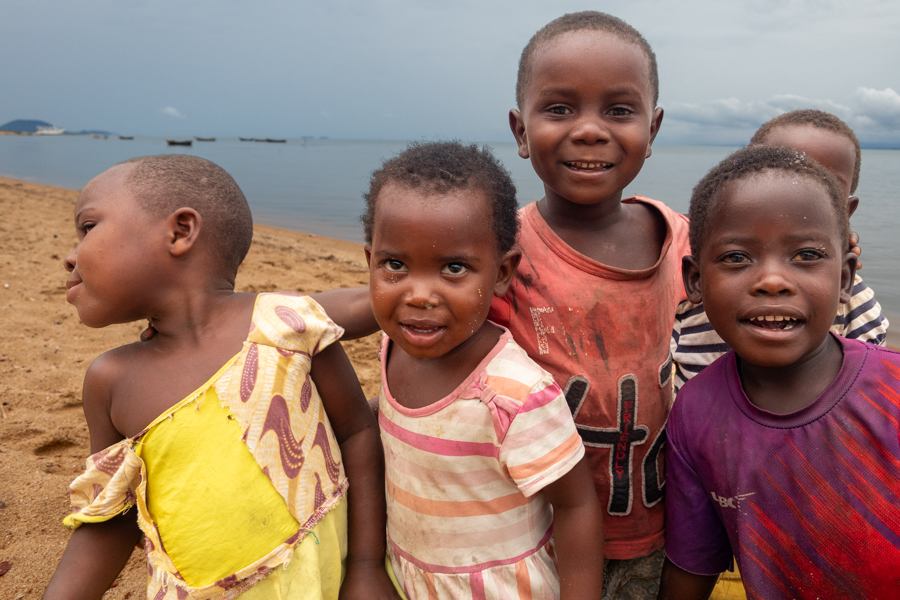
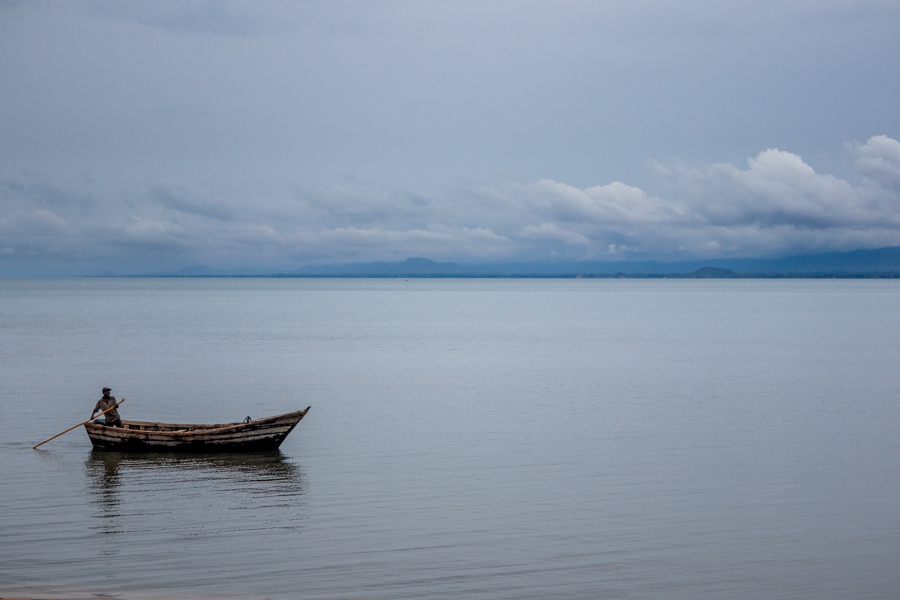
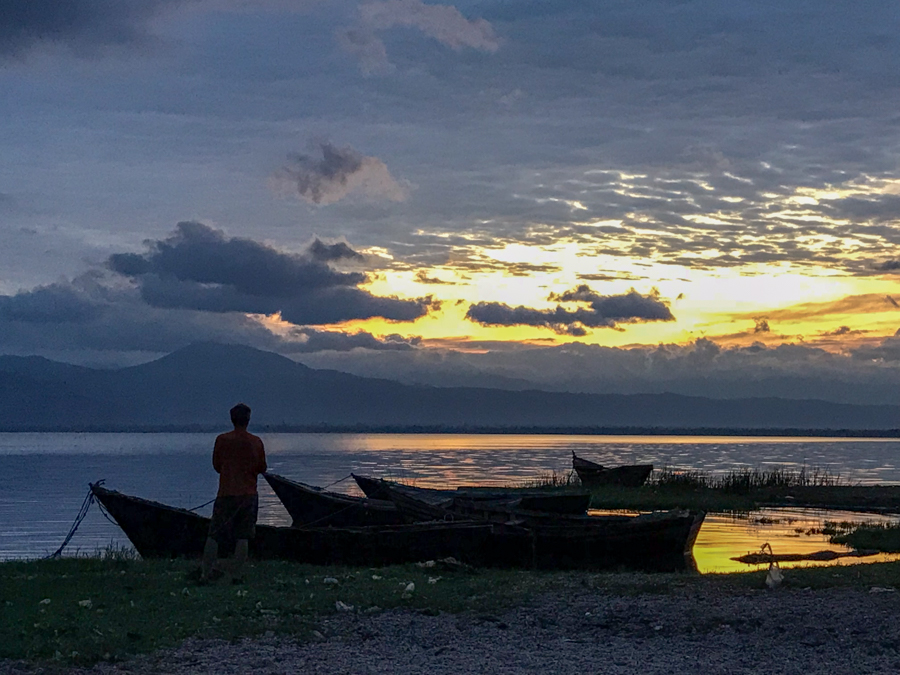
After a last night watching the sunset over Lake Malawi at Mangochi, we turned our noses east and waved goodbye to the Warm Heart of Africa. It had done its job, relaxed and rejuvenated us with its beauty and gentle lifestyle. We had just scratched the surface.
We will be back for more.