Curios and Clay
“The purpose of art is washing the dust of daily life off our souls.”
Pablo Picasso
Though intangible, art has a great value to humanity. Art not only defines the culture of a people, but is, in fact, a manifestation of the culture itself.
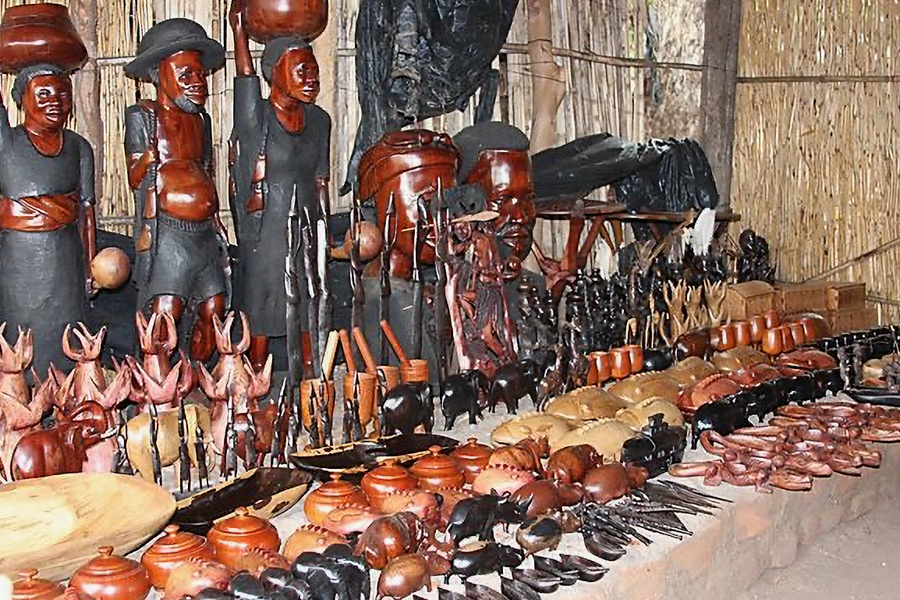
Malawi has a strong reputation in Southern Africa for some of the best quality arts and crafts in the region.
The history of arts and crafts in Malawi is rooted in its diverse ethnic heritage. Historically, creations were primarily utilitarian, made to serve daily needs, before evolving into decorative pieces and expressions of cultural identity. Different ethnic groups brought specialised skills, carving, pottery, weaving. The Chewa people are renowned for vibrant beadwork, while the Ngoni are famous for intricate wooden carving.
Considered Malawian artists favoured medium, wood carvings often feature scenes of village life, animals, furniture, masks, toys, three dimensional figures and objects. During the colonial era, demand for European-style goods made some traditional crafts feel outdated. However, many artisans adapted their work to appeal to tourism. For example, indigenous items like traditional wooden toy canoes have increasingly been replaced by models of cars and motorcycles.
These skills were traditionally passed down from father to son, and the government has encouraged the development of cooperative centres for training. Coming from Africa there is a sense of familiarity with these types of crafts, but the detail, range and quality make Malawi workmanship stand out from the crowd.
We knew we would not escape this place without souvenirs and we set out, around the southern border of the lake, to find them.
Mzuzu, The Mystery of Malawi Commerce
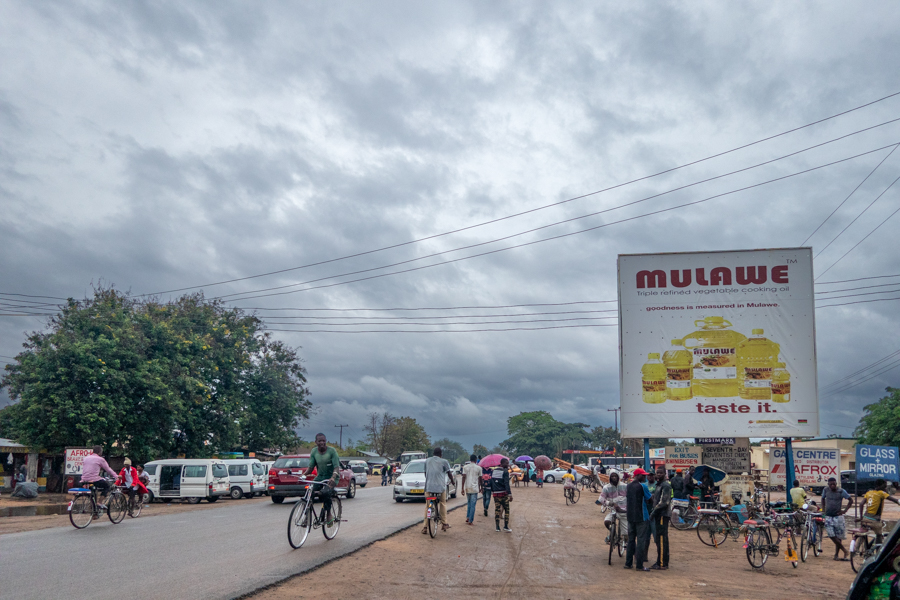
Malawi is relaxed, cheerful and energetic but the evidence of the extreme poverty of the country is never far away. Cash is king, stores are poorly stocked, except in the big cities, and the informal sector thrives. Malawi is, and has consistently been, amongst the 6 poorest countries in the world. The majority survive on less than $5 a day, 80% of employment is in subsistence work. Infrastructure is poor. Why? In 2025 Malawi made its first dollar billionaire, their stock market is the most profitable in Africa. There are resources and potential for growth but there is corruption, poor commitment to good governance and poor reinvestment in the community and infrastructure.
Despite this the people carry the load with cheer and dignity.
We had business with the cars in Mzuzu, the nearest town, an oil change and 2 new tyres. It was chaotic. Toyota wanted 100,000 Kwa for 1 oil change and we had to wait for an appointment. That's nearly R2000.
We moved on to Kwikfit who did it for R200 off the books. Just as we were congratulating ourselves on this our mechanic threw the used oil into the storm water drain on the street. Just like that we became part of the problem.
The new tyres cost nearly half a million Kwatch, over R8000, and the card machines did not work. I had to get a bucket of cash in small denomination notes from numerous ATMs around the town who had low cash limits and no large notes. I felt like a mafia drug runner with a target on my back. How does anyone shop around here?
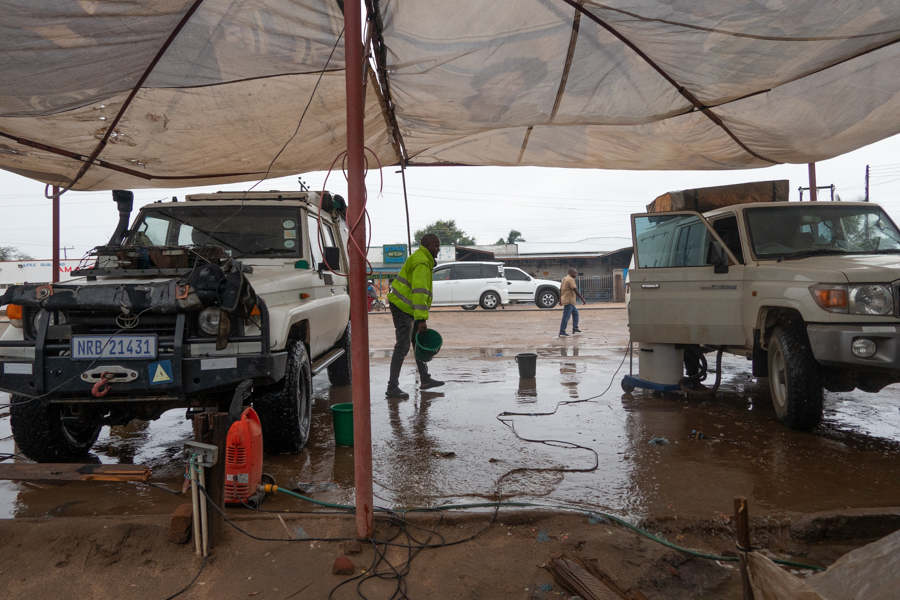
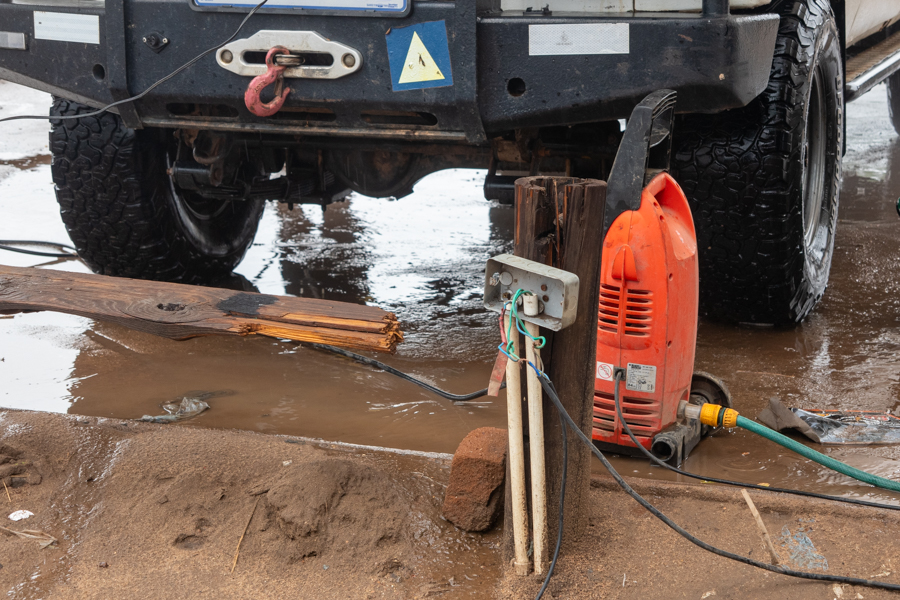
We had a high pressure car wash. Everywhere we go in Africa the car washes are vibrant energetic and completely oblivious of the incompatibility of live wiring and water. I don't know if there is an official death toll. I hope not.
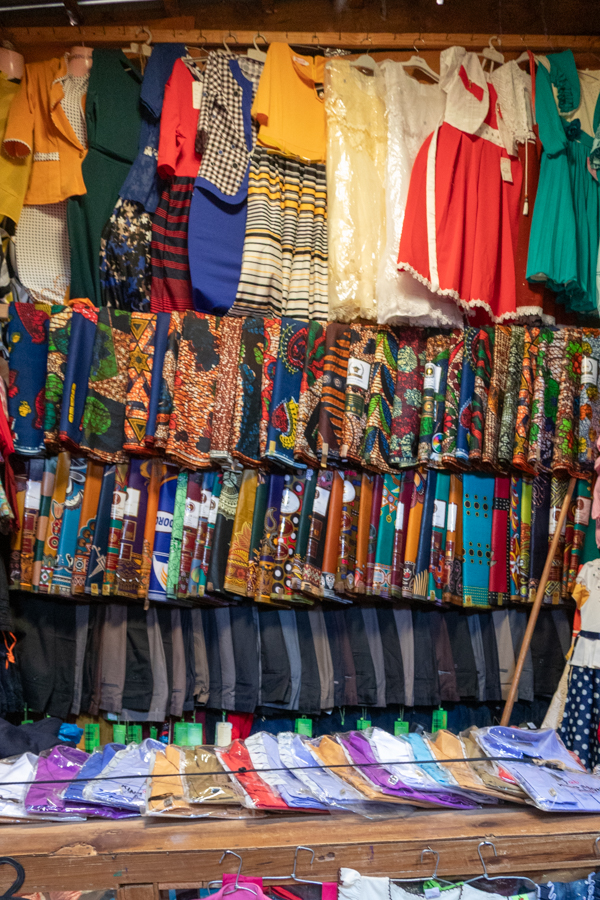
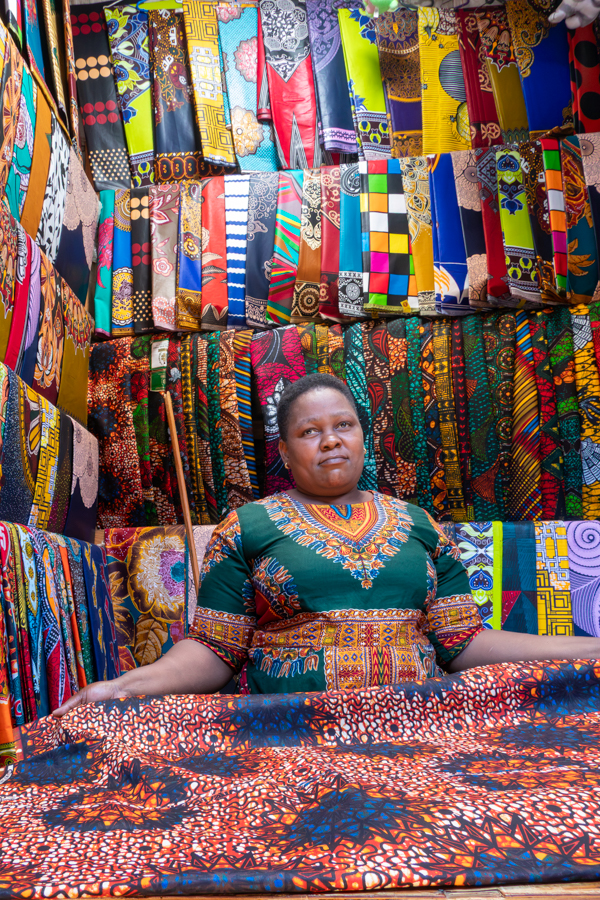
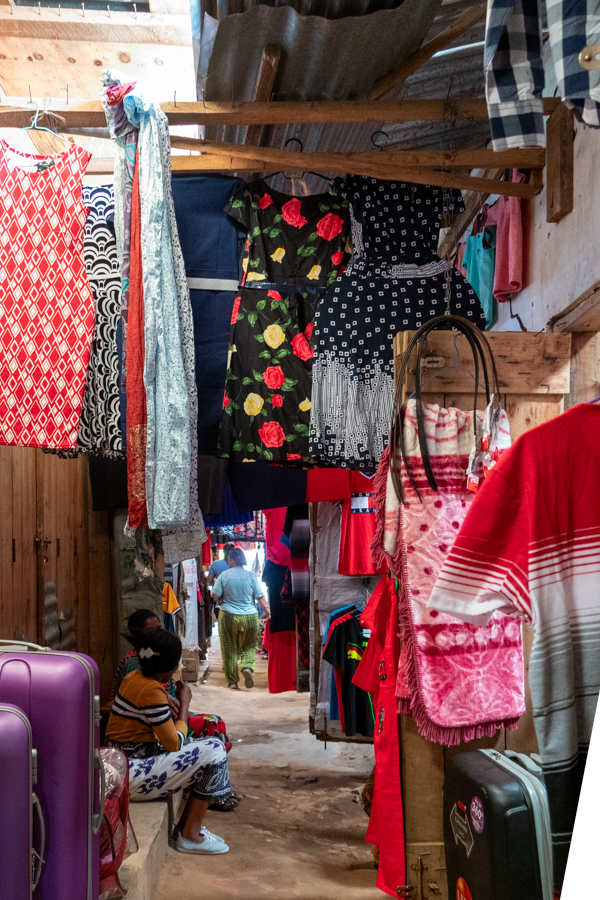
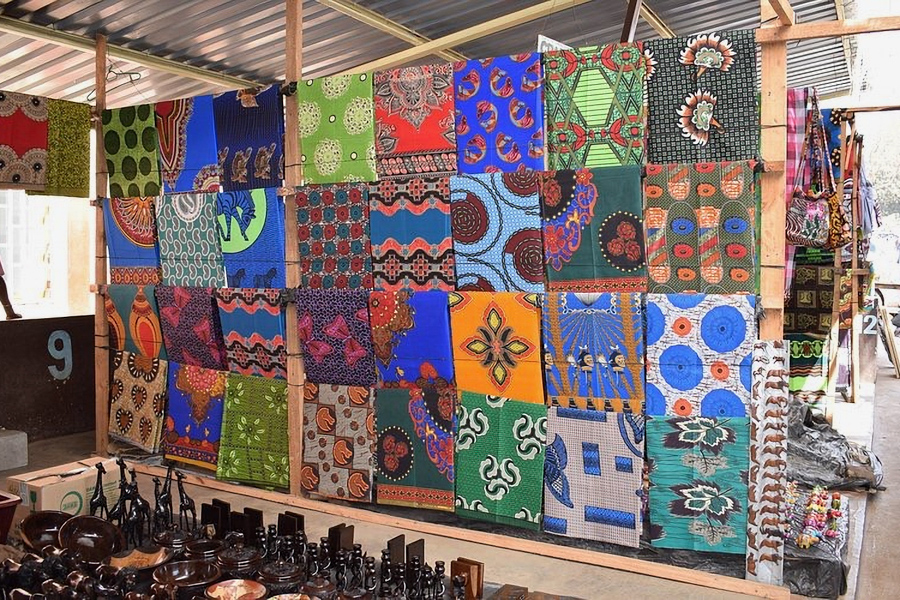
We ventured into the market looking for Capulana materials but found mostly rip off brands and Chinese clothes. I bought some materials but was put off by the giggling which followed us through the stalls until I discovered I had ripped my trousers and was flashing a substantial amount of granny knickers.
We were frazzled after this and retired to the most amazing Indian restaurant tucked along the Main Street, called A1. The most delicious Indian food I have ever eaten, but maybe that was influenced by many months without eating out.
The Indian community in Malawi were brought in by the British to build major infrastructure and the railways, and they later moved successfully into trading and the retail sector. They suffered significant discrimination and limitations both during colonial rule and during the Banda era. They were deliberately excluded from agriculture, transport, and, at one point, forced to move out of rural retail areas into urban centres to prevent competition with indigenous Malawian businesses.
Despite this they are an important part of Malawi's history, and represent a diverse and energetic population of around 10,000, mostly centred around Blantyre and Lilongwe. As with Indian communities everywhere they sure can cook!
Nkhotakhota
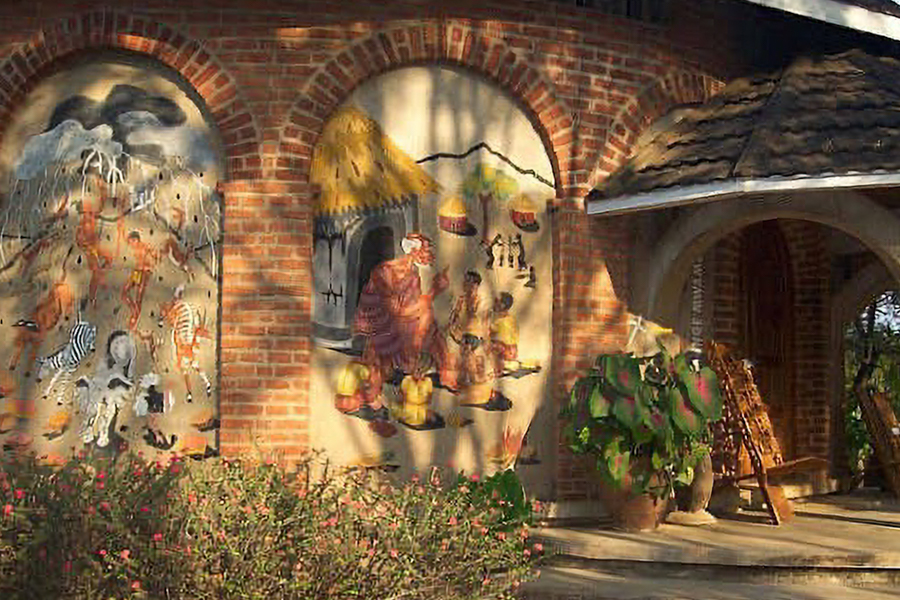
We headed back to the lake at Nkhotakhota. There is a pottery there of some renown and we were still hot on the trail of souvenirs. We headed for a camp attached to the pottery. The campsite was excellent, flat and sandy with copious hot water to wash away all our car troubles.
Nkhotakhota was a significant slave trading centre and also a place visited by Livingstone, that peripatetic giant! He came twice to try and persuade the chief Jumbe, responsible for shipping 20,000 slaves a year, to stop trading in slaves. The fig tree where they met is still there.
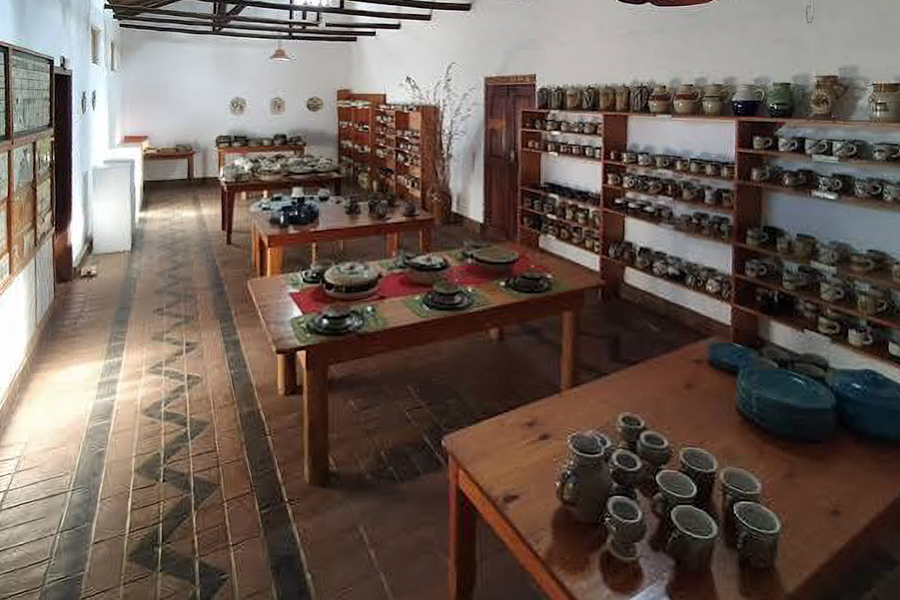
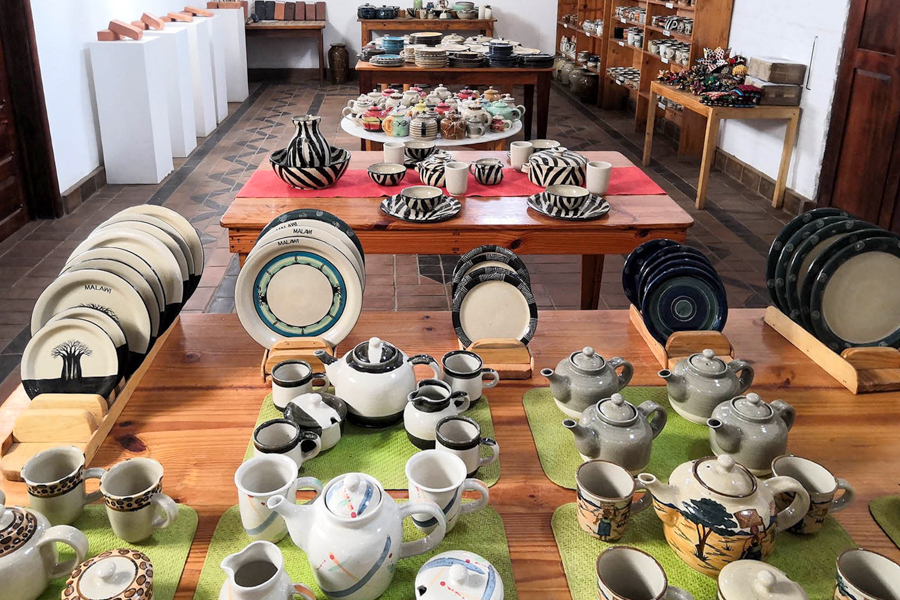
The next morning we headed for the pottery to check out the wares but it was a little disappointing. Rather roughly made. Kaftans were also on sale but mostly made in SE Asia.
There were a group of local women outside for cookery lessons, a papaya jam with anti HIV properties apparently. Now THEY were well dressed in vibrant local material. I think they were doing a promo shoot. So the materials are here, I just have not found it yet.
Kuti Wildlife Reserve
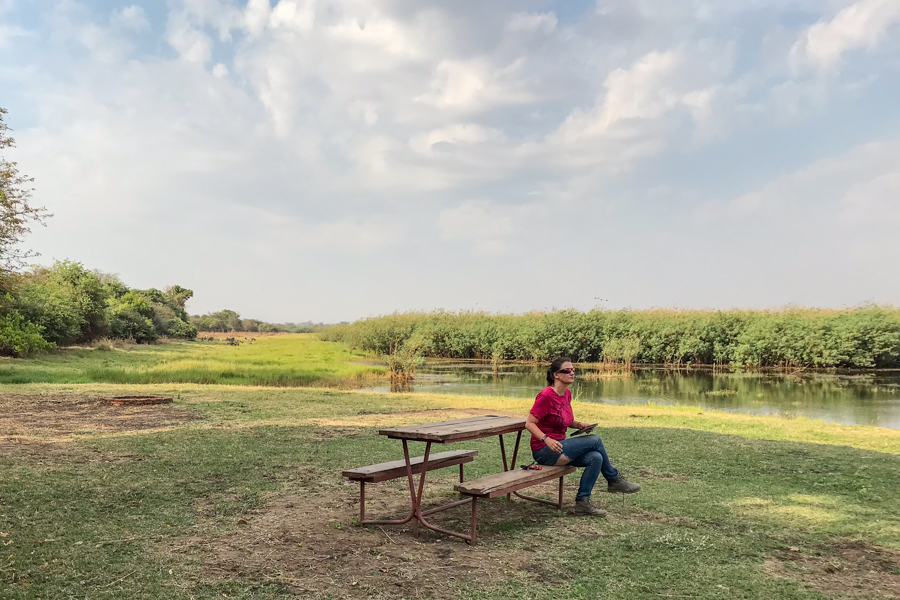
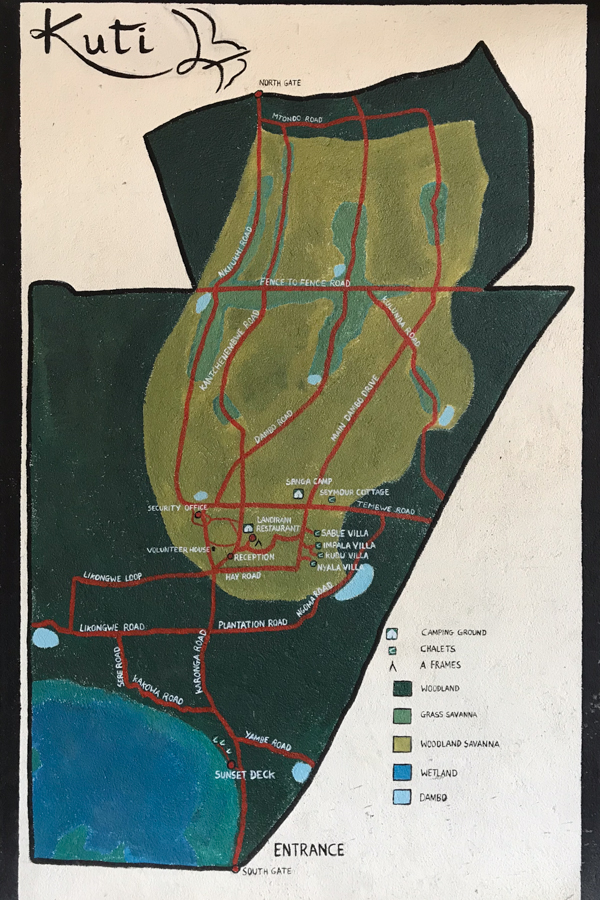
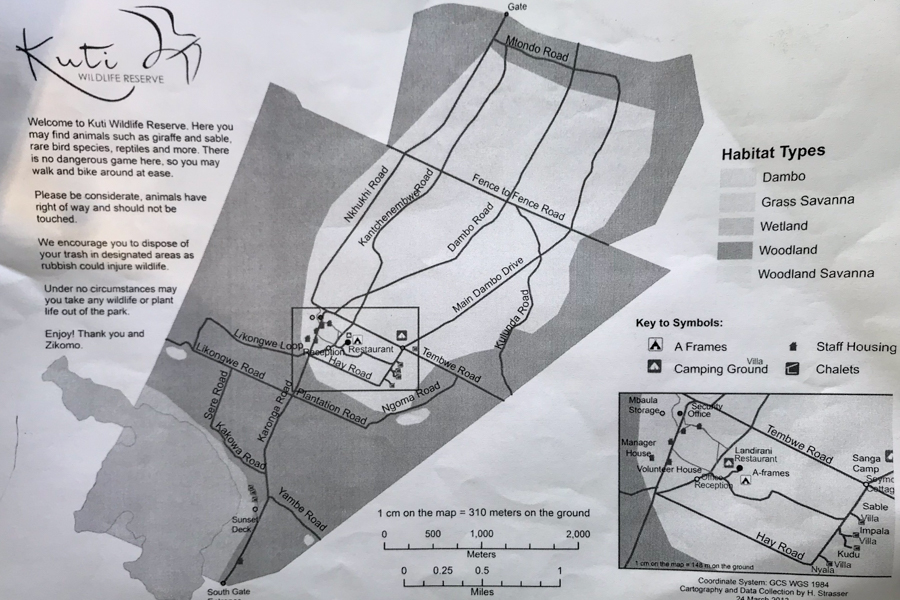
Our route took us to Kuti Wildlife Reserve, the smallest park in Malawi. It has 2000 hectares of land with diverse ecosystems, forest and grasslands and wetlands. The game is non carnivorous (their term for having nothing that can hurt you). They encourage walking, cycling and outside adventures. They are strongly involved in rehabilitation and community and educational projects.
We rolled up to camp and they showed us a lovely site with an A frame shade and ablutions, shaded by beautiful trees.
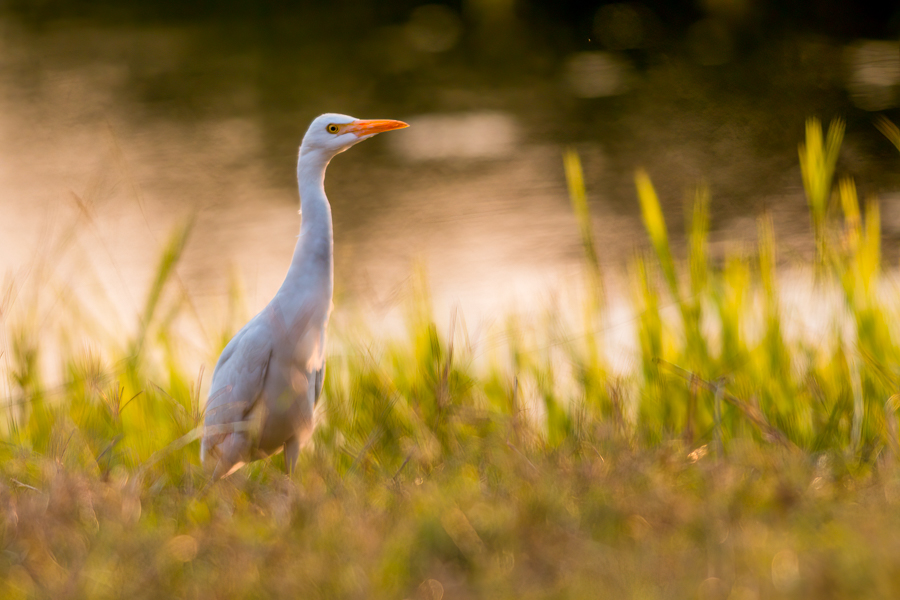
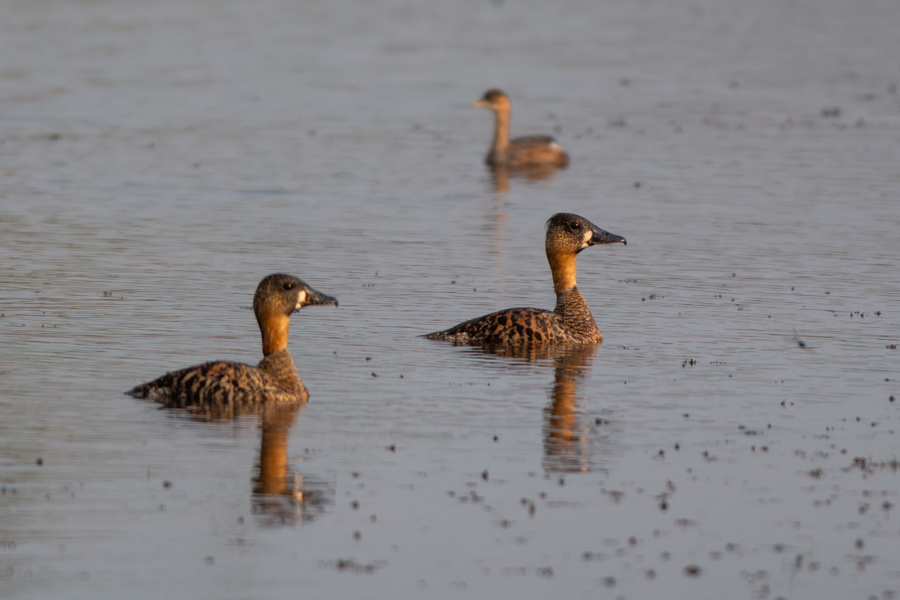
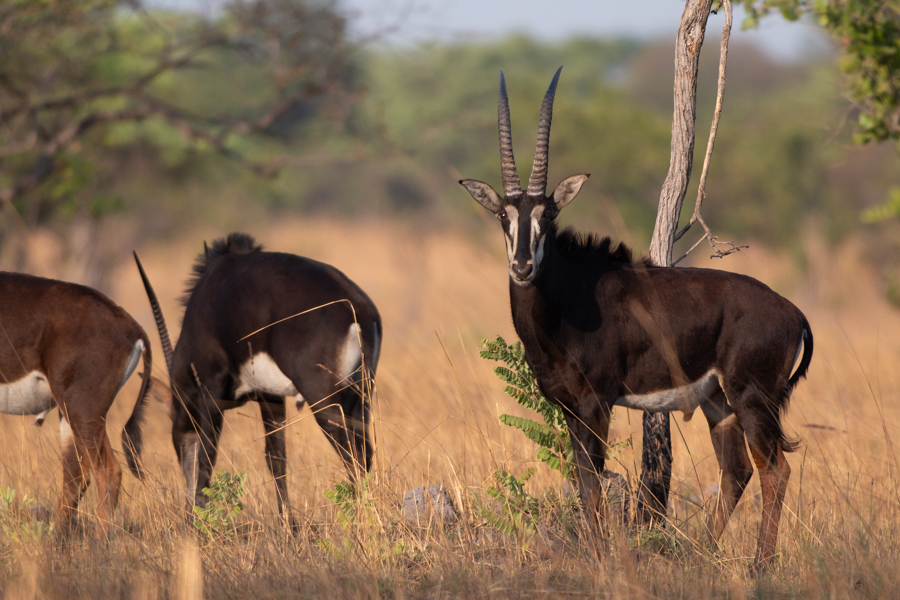
There are many different antelope in the park, Giraffe, Zebra, Oribi, Waterbuck, Grysbok, Wildebeest, but one of their main claims to fame is the beautiful Sable antelope. Bird life is plentiful with over 250 recorded species.
After a rest we set off to explore. Beautiful woodlands and patches of savannah led to a large wetland lake and sunset deck.
The sable were cooperative and sunset with wine and beer, topped off a lovely day. It's a great little stopover, relaxing, well equipped and well priced. Only 1-2 hours from Lilongwe, I am sure the weekends are busy.
Senga Bay
Next stop was Senga Bay
It was hot and we were thirsty, and stopped for cool drinks. We found a store that stocked Coke Zero. Now that was a treat. We had navigated 3 countries where diet drinks are considered puzzling at best, and completely unnecessary at worst. Lisa and I jumped for joy and stocked up with a 6 pack. Dudley did not know what all the fuss was about. If you know you know, I won't bother to explain.
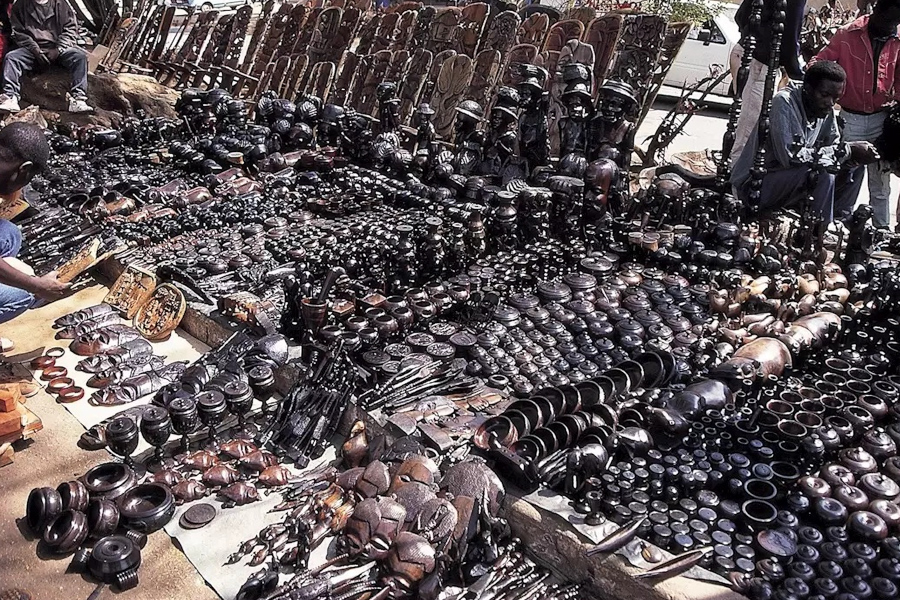
Between Salima and Senga we passed a huge open market of arts and crafts and pulled to a screeching halt.
When overlanding routes changed and backpacker/overland truck hubs shifted, the local curio and souvenir vendors relocated their businesses to key transit points and established roadside trading hubs to intercept passing tourist traffic, often on the main routes to and from Lilongwe.
Senga is on a direct road from Lilongwe. Bingo.
We jumped out of the cars and went to browse. It was a treasure chest of things, art and carvings, furniture, toys and beadwork. I had not stocked up on cash and what I had soon started to dwindle. We were all haggling and bargaining independently. I turned around to find Dudley trading my precious Coke Zero! We handed over teeshirts and pens and anything else not nailed down, and came back loaded down with bowls, boxes, chess sets, carvings. My best was a replica of Noahs Ark complete with pairs of little carved animals. The talent is astounding.
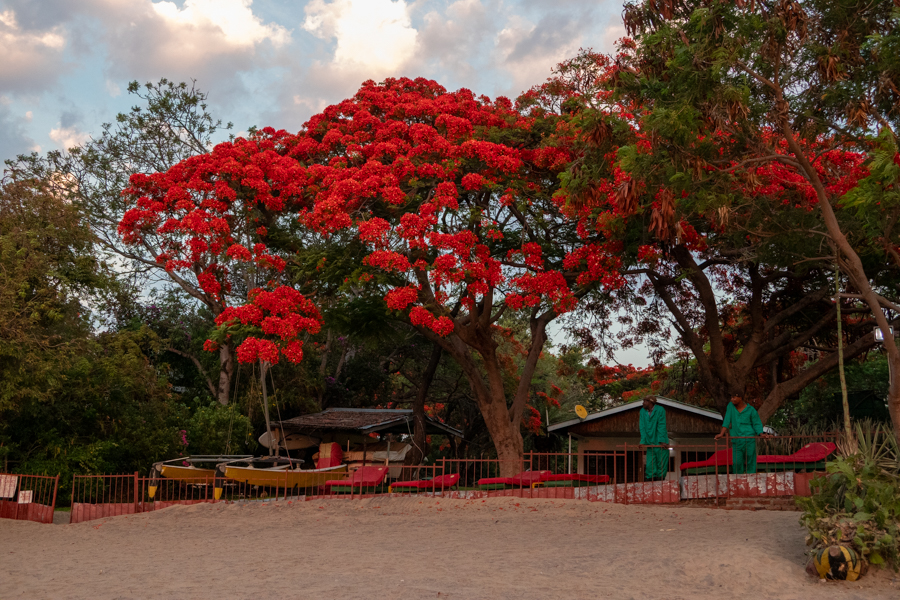
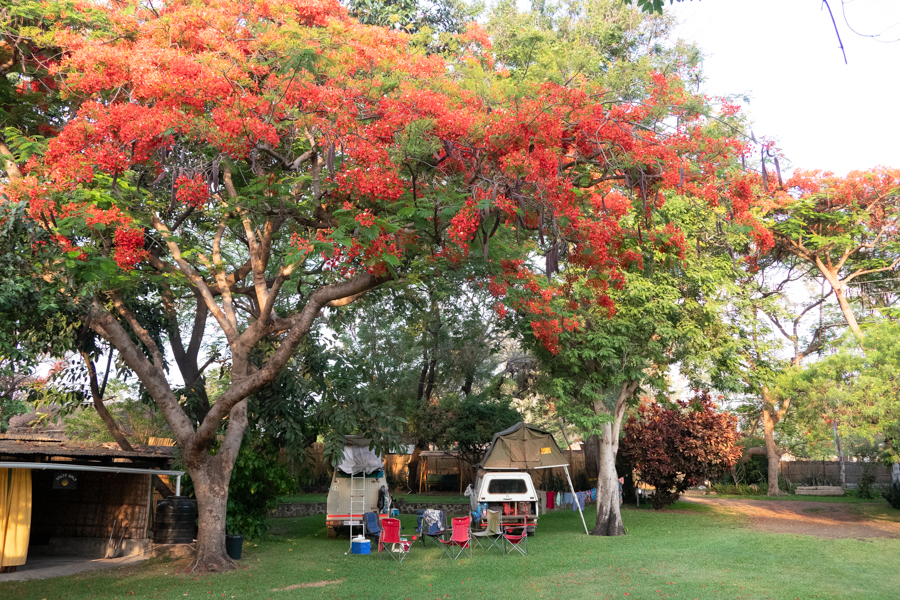
The Cool Runnings campsite under flamboyant trees and one of the girls from the ferry that nearly sank.
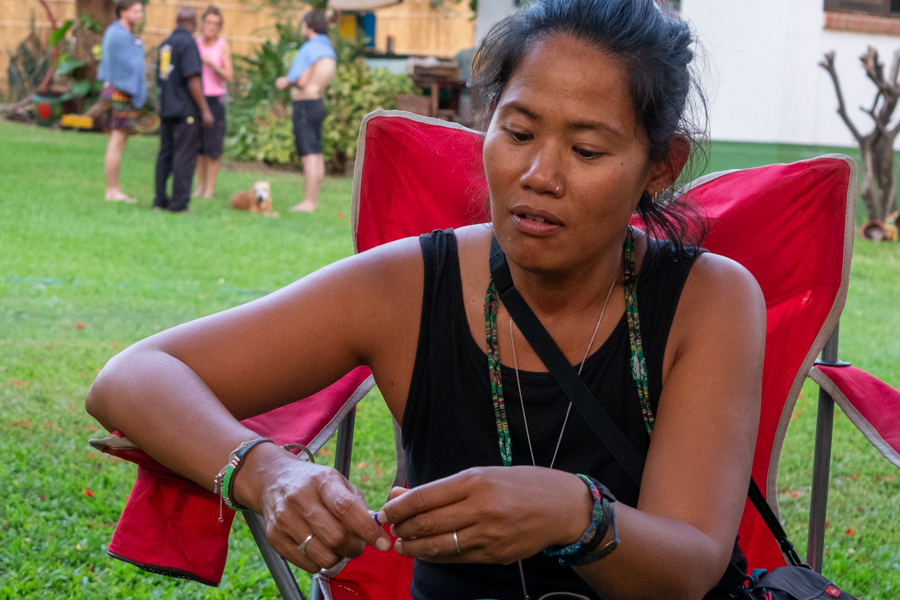
We headed for Cool Runnings at Senga, a campsite recommended by Debbie at Aqua Africa. Who can resist that name? It was a lovely camp right on the lake. The lady who ran the camp seemed to also have a side line in community care. She was the one giving the jam making lesson at Nkhotakhota. Every day there were queues of local people outside her house, especially with children, seeking medical help. She is not a doctor but she does what she can to help.
There are sun loungers overlooking the lake and crafters selling by the beach. Dudley bought yellow capulana pants. Finally some good quality local material!
We book a boat tour to Lizard Island to see the giant monitor lizards. They eat lake flies, a sort of scourge of bluebottles which come in swarms across the water. People eat them too. Another local delicacy I will forgo.
As we left the beach it seems like the whole community were out doing laundry and washing themselves, their bikes and cars in the lake, soap suds flying.
The trip had been scheduled for the early afternoon and, despite much scrambling on the rocky island, the lizards were singularly elusive. No surprise as we discovered that they only emerge at sunset. Now he tells us. We were on a working fishing boat which would launch to fish this evening, hence the bad timing.
Still it was a beautiful trip with some colourful snorkelling and good bird life. We cruised home.
Our captain Tony dipped a scoop into the lake. I offered him my bottled water but he shook his head and drank deeply, telling us this is the best water. I kept seeing pictures of all the soap and shampoo in my head but I guess its a big lake.
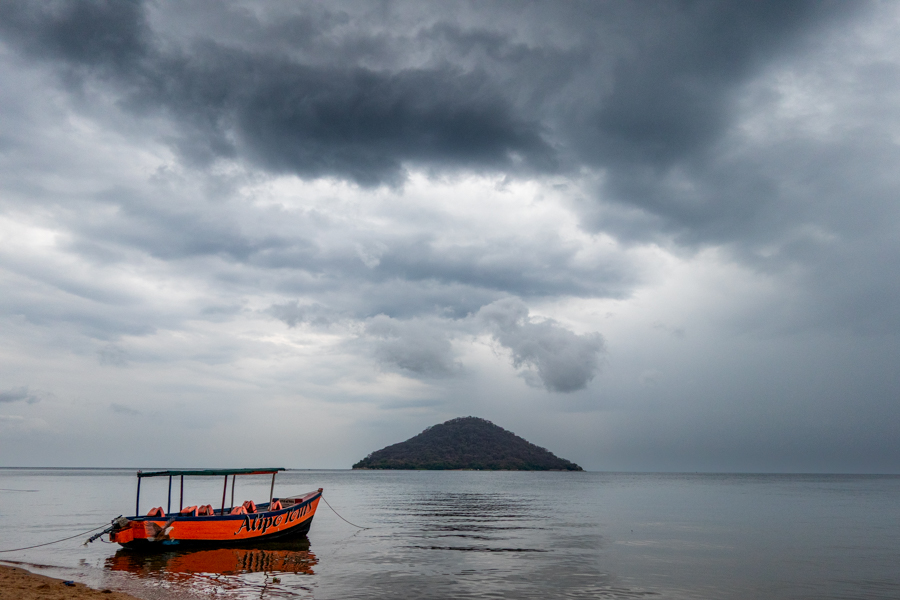
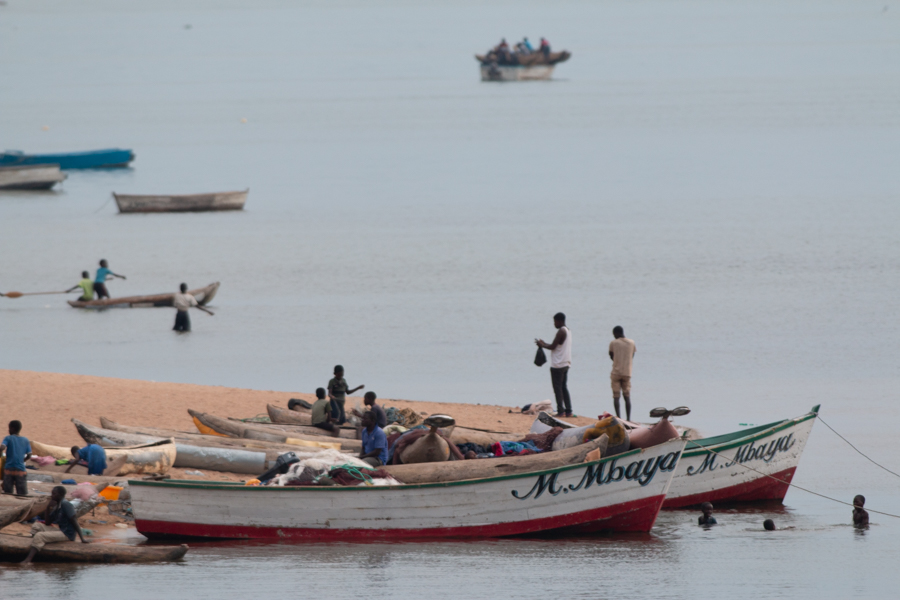
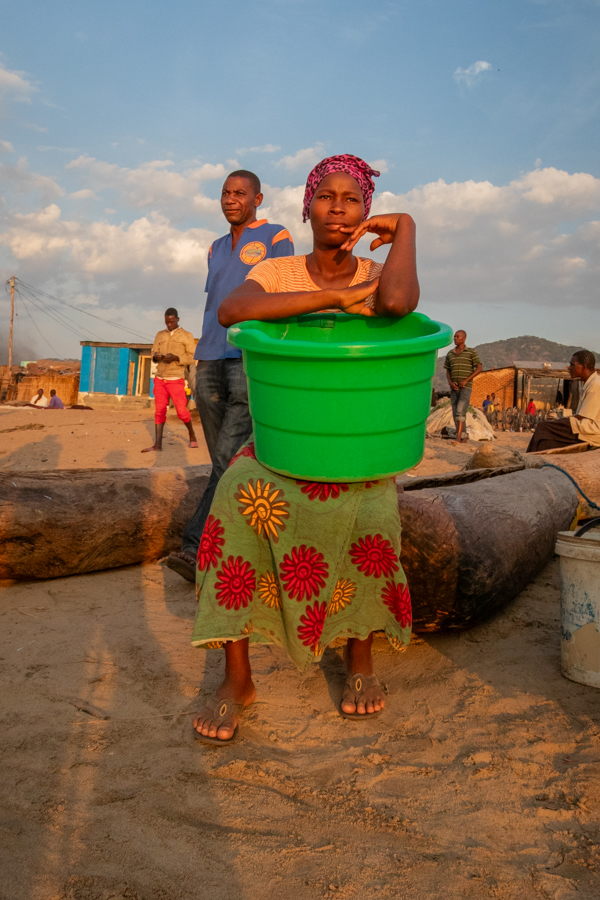
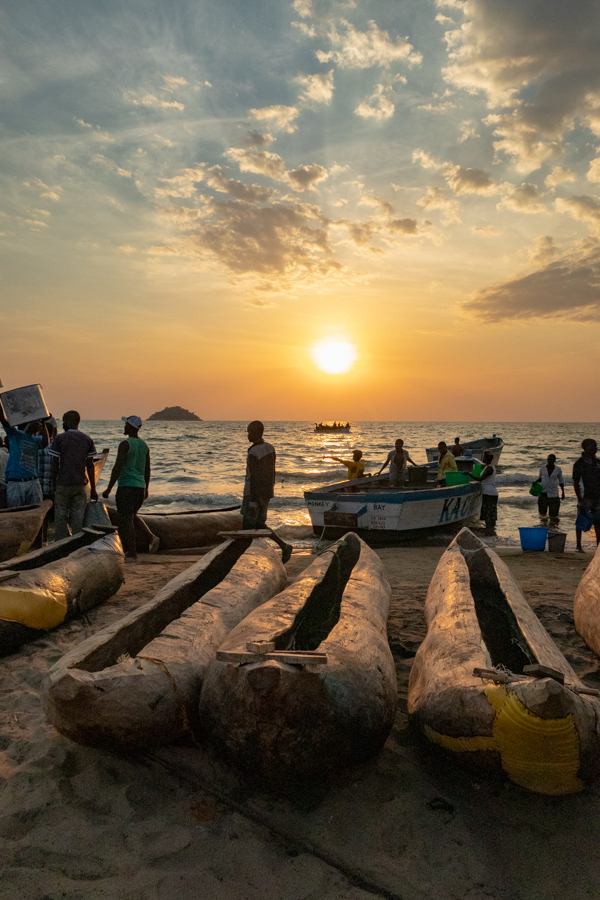
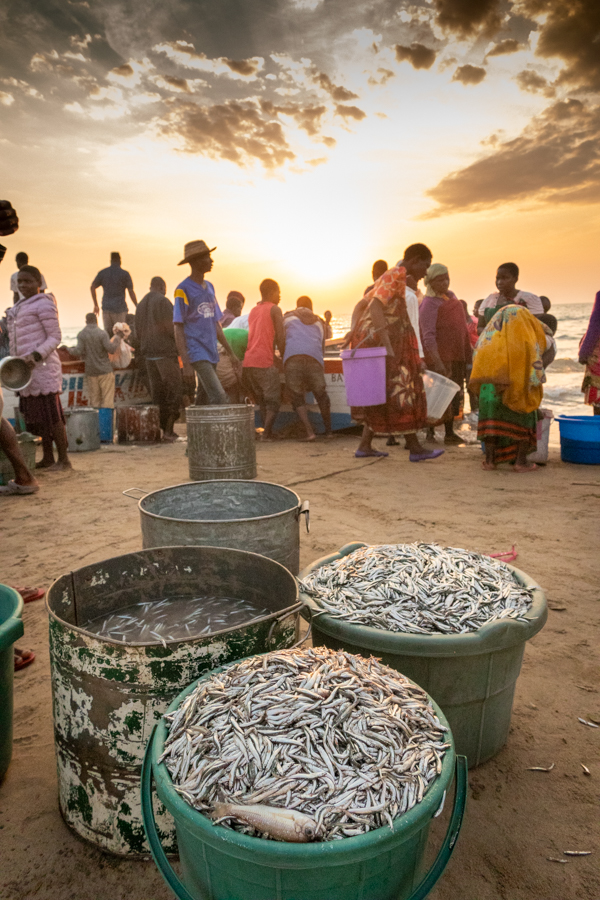
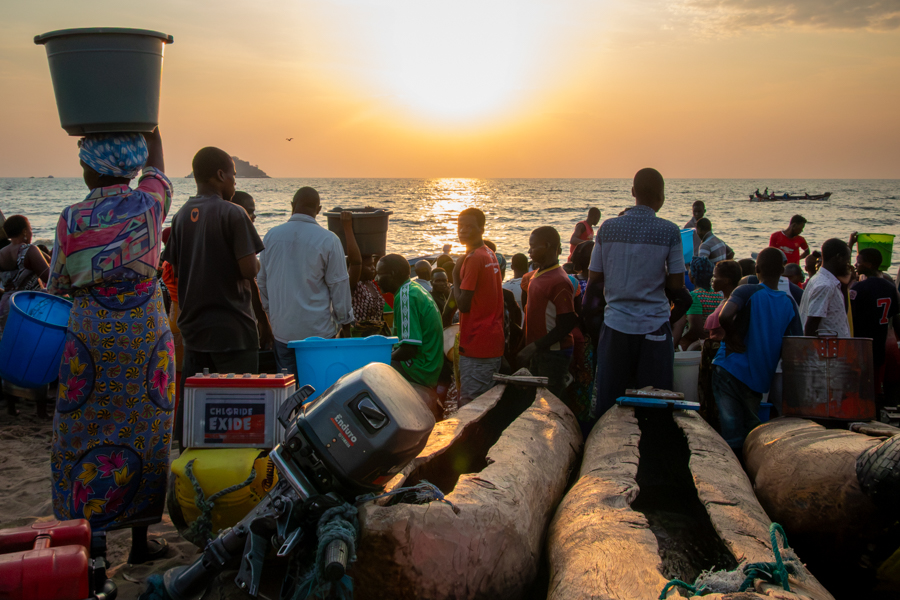
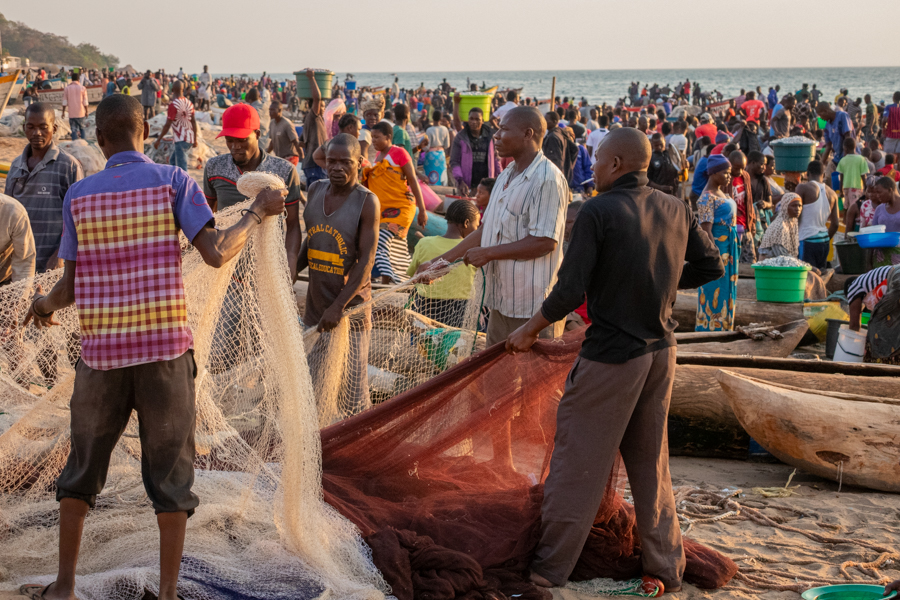
Next morning we rose early to watch the fishing boats come home. An impromptu market arises on the beach where the catch is sold. There were a fleet of about 40 boats which had reached the shore. The bigger fish had already been sold. The bottom of the boats were filled with Usipa. A man was selling them directly to the public, shouting out the price. The community came in droves with buckets or bowls. 300 Kwa or R5 buys you a small bowl.
Dedza
Our next destination was Dedza, a highland forestry town with an elevation of 1,600 meters, making it the highest town in the country. We were seeking some respite from the lakeside heat but it is also known for its artisan pottery, dramatic mountain landscapes, and ancient heritage but we were still chasing arts and crafts and wanted to see the pottery.
It is said to be Malawi's leading ceramics workshop.
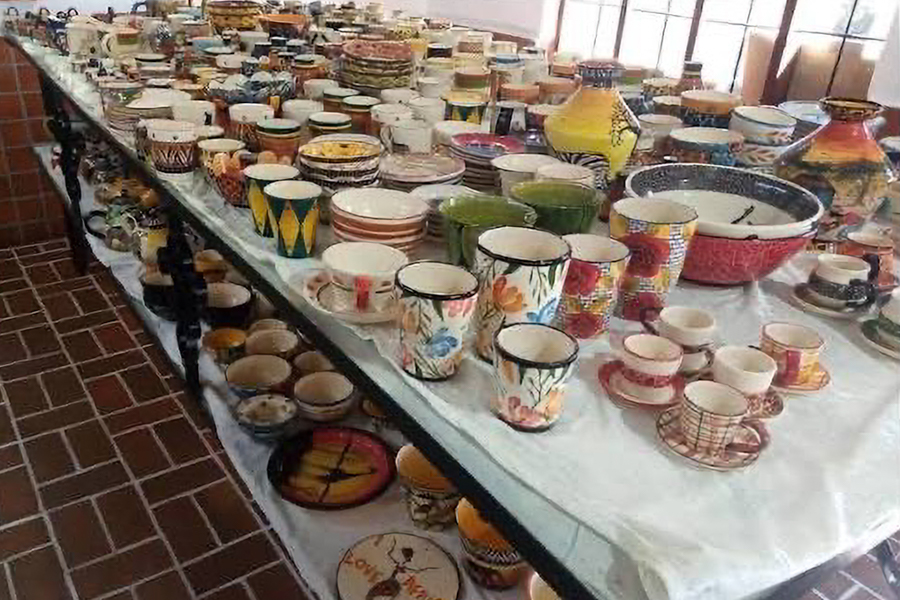
There was a campsite behind the pottery on a flat grassy lawn with a view of the mountains, and we were the only ones there, so basically we had it to ourselves.
You could also stay in rooms and they had a lovely little restaurant where we enjoyed a delicious brunch.
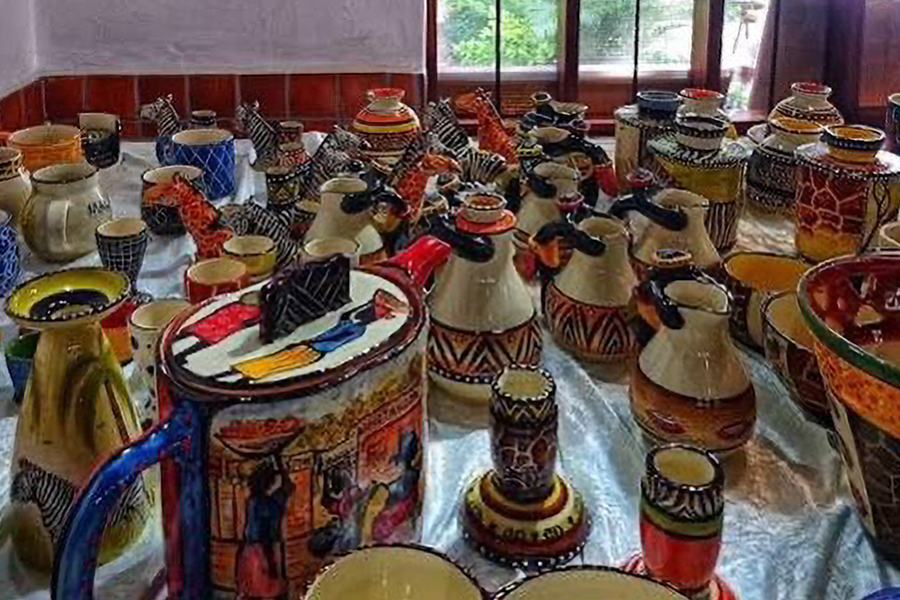
The pottery was established in 1987 by a UK potter and they produce a range of pots with Malawi and Africa themed patterns. Mostly utilitarian home ware but also some pottery sculpture. There were lovely painted tiles and bowls.
I bought an oil and vinegar jar set to complete my souvenirs.
The cool wind at night was a relief from the heat. There are other things to do in the area including climbing the mountain and exploring some quite famous rock paintings, but we were firmly on a southerly trajectory towards Mozambique, and so we packed up the next day to continue the journey.