The Eastern Highlands
"Some people worry that Artificial Intelligence will make us feel inferior, but then, anybody in his right mind should have an inferiority complex every time he looks at a flower"
Alan Kay
From Masvingo we turned our noses east for the next exciting leg of the journey, the Eastern Highlands.
The Eastern Highlands is a mountain range which extends about 300 km along the Zimbabwe, Mozambique border between the Save and Zambezi rivers. It consists of 3 distinct areas, Nyanga, Bvumba and Chimanimani mountains. The highest peak is over 2500m.
They are part of the East African Highlands, one of the eco geographical divisions of the continent which runs from the Ethiopian highlands through the eastern Rift Valley down to the Drakensberg range in South Africa.
The area is known for its spectacular natural beauty. Rolling hills, green forests, rugged peaks, misty valleys, deep gorges, cascading waterfalls, and sparkling rivers attract serious hikers. It is also a birding hotspot of note.
The higher slopes boast a unique afromontane forest and grasslands mosaic, and the lower slopes are miombo and lowland evergreen forest. We were looking forward to the cooler weather and a change of pace.
The Birchinough Bridge
We drove directly east and the landscape became more wooded as we wound up into the mountains. Bananas macadamias and pineapples were being grown and it was clearly a fertile area. Lots of informal markets and neat villages lined the road.
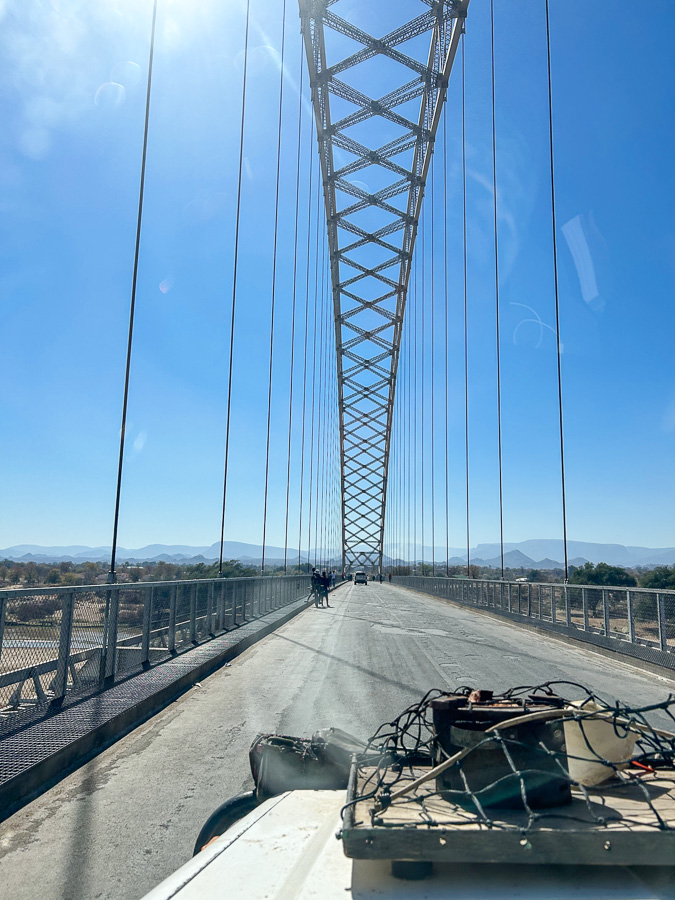
We crossed the Birchenough bridge over the river Save.
This is a direct mini copy of the Sydney harbour bridge designed by the same engineer. It was completed in 1935 at which time it was the third longest single span bridge in the world. You are not allowed to take photos, I don't know why, we were fascinated and managed a few sneaky shots. There is a weight limit to the bridge but the Beast managed to squeak through looking innocent!
Chimanimani
Heaven Lodge
We arrived in Chimanimani with no booking and went looking for a campsite. The town was small and quiet. The first choice was clearly rundown and they told us they had no water. Incidentally this was the number 1 pick from the guidebook. We went to the national parks office but the park campsites had no hot water and, as we were expecting cold nights, it wasn’t ideal. Finally we rolled into Heavens Lodge.
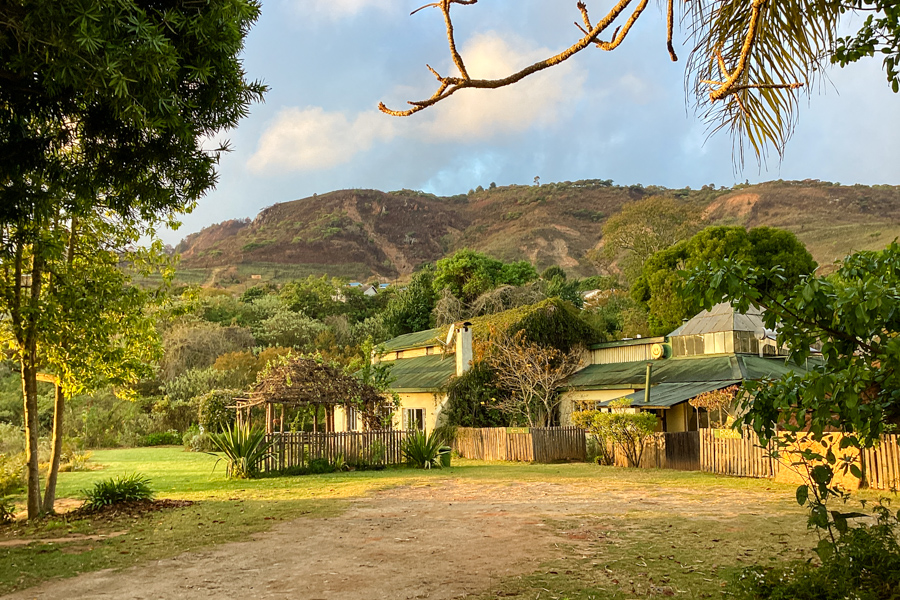
This rather rustic but charming spot started as a back packers for hikers and they had lovely terraced camping and a lush garden. Hot showers as well as a fire inside the common room for the evenings sealed the deal and we checked in for 3 nights. We would explore from there.
Our hosts were most accommodating. We met Andy, a Cockney from the UK, who had been a part owner for 15 years. He has been a keen mountain hiker and loves the area. He painted a picture of the land that time forgot, all the shenanigans of Zimbabwe politics seem to have passed them by in this quiet corner of the world.
We then took a stroll into town to see what was there. There was a busy and smiling community with some open markets and rather run down and multifunction shops. The people greeted us cheerfully and there was no begging.
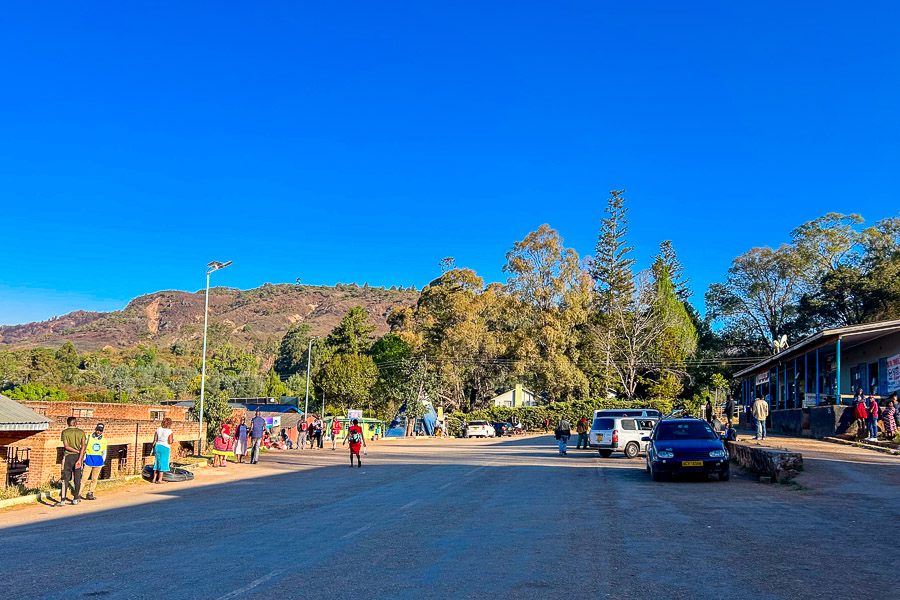
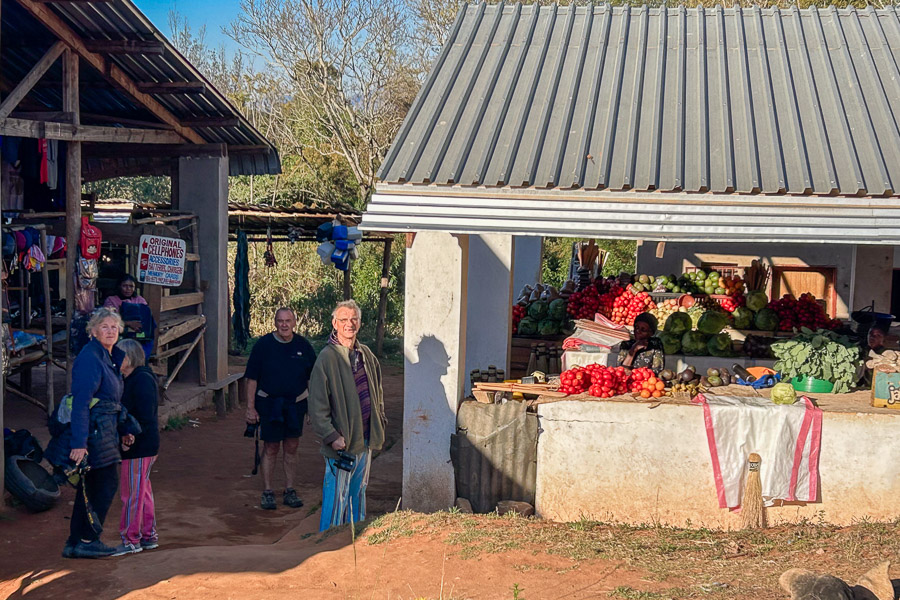
Chimanimani village
It became a pattern in Zimbabwe for people to greet us warmly and spontaneously and thank us for coming. This was done without any ulterior motive, they were not looking for a handout or trying to sell us anything. I think they yearn for opportunity, and a return to more prosperous times and tourists are one avenue to that. They appreciate you for that reason and are not jaded by the burden of being overrun by visitors.
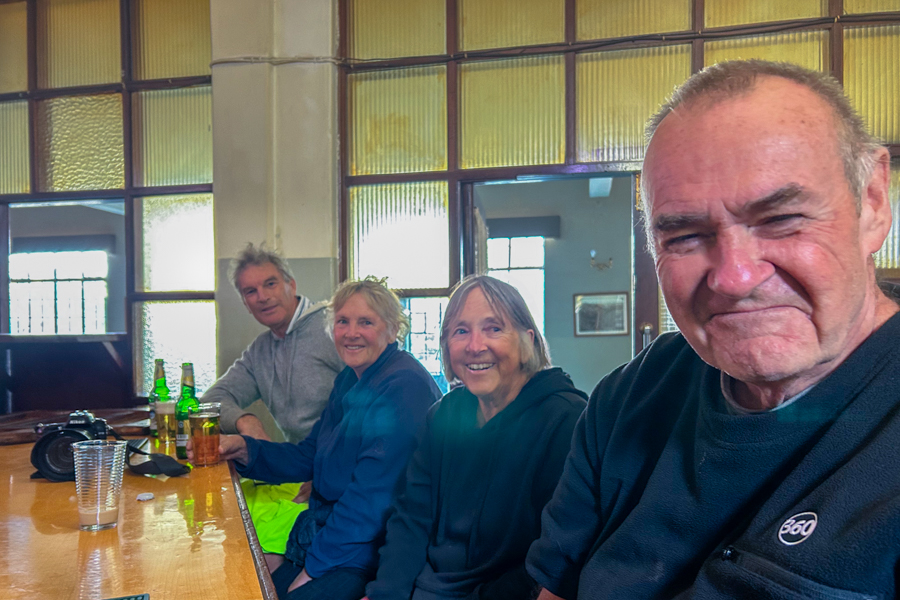
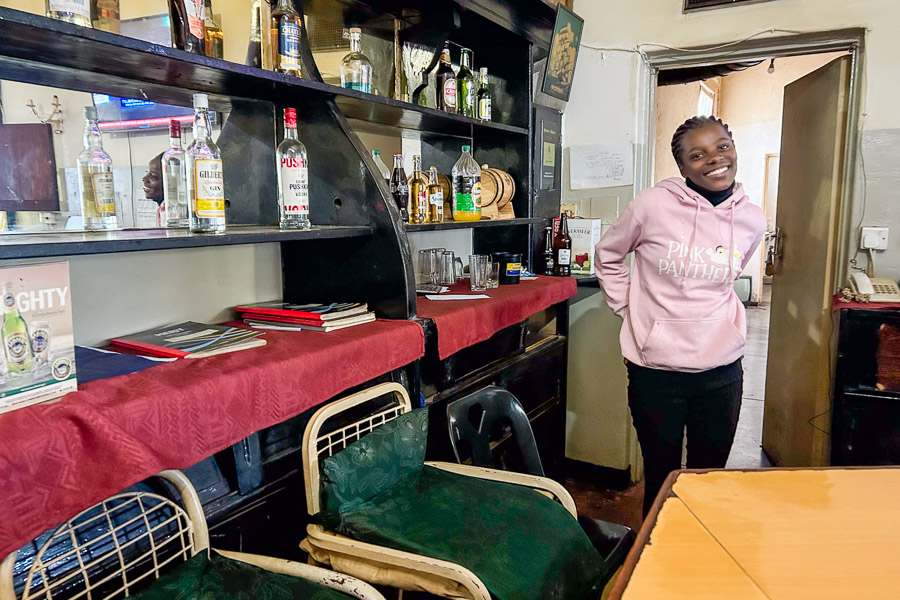
The old hotel and the last 3 beers!
We dropped in to the Chimanimani hotel for a drink. It seemed like very faded grandeur and we were the only guests there. We sat in a small dark bar and ordered Amarula and beers but found that we had bought the last 3 beers in the place. I think that said it all. Business was clearly not booming or the owner was a raving alcoholic and drank all the stock. The former seems likely.
We looked at the menu for the restaurant but every time we asked, most dishes were off the menu so I am not sure why they gave us a menu. They could have just told us the 2 dishes they had ingredients for. Anyway despite this rather depressing side to the place it had some super cool touches of stained glass, chandeliers and wide carpeted hallways so you could imagine the olden days of glory.
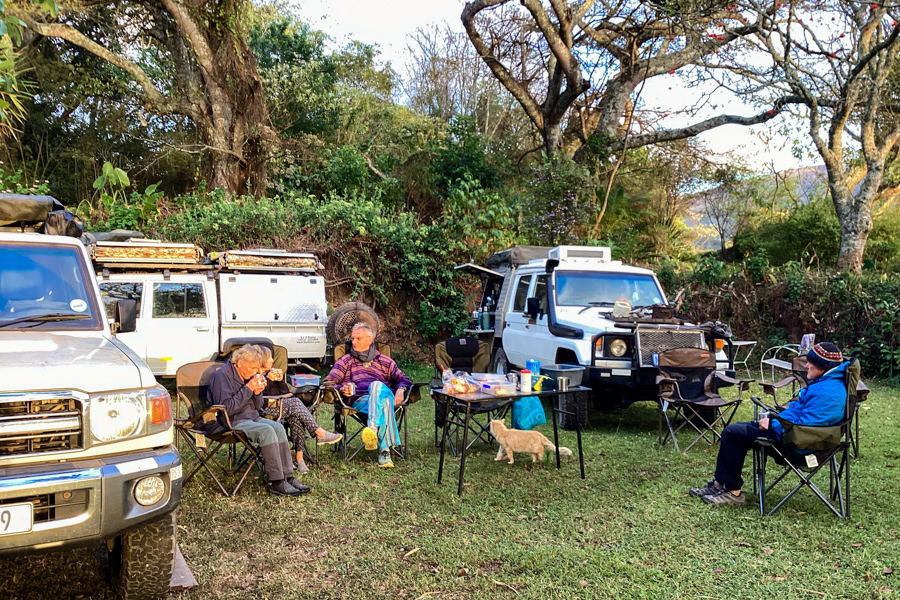
Cosy in our camp with the camp cat.
Around the fire that night Andy told us the village used to be quite a tourist attraction with many backpackers arriving by bus to hike so then the hospitality industry thrived. Then, in 2019, cyclone Elina hit with a lot of mud slides. Deforestation and illegal gold mining had degraded the run off and added to the damage.
Half of Heaven Lodge was destroyed and the common room was a meter deep in mud. After this Covid hit so there was no opportunity to recover. Now it is a sleepy place with almost no public transport to and from the main centres so only self drivers tend to make it here, the hospitality industry has all but died.
The night drew in with a predictable chill and we wrapped up warm before going to our beds.
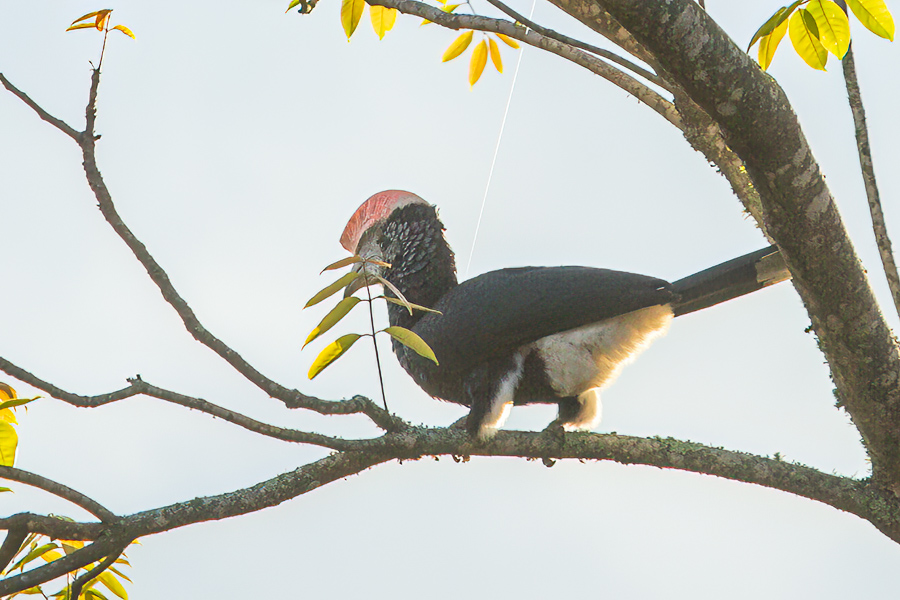
Silver cheeked hornbill. I know its a butt shot but you take what you can get!
We awoke to a deafening dawn chorus of bird song, plus the odd chicken. The garden attracted many birds and we saw our first silver cheeked hornbills. Clearly the reputation as a birding destination was true.
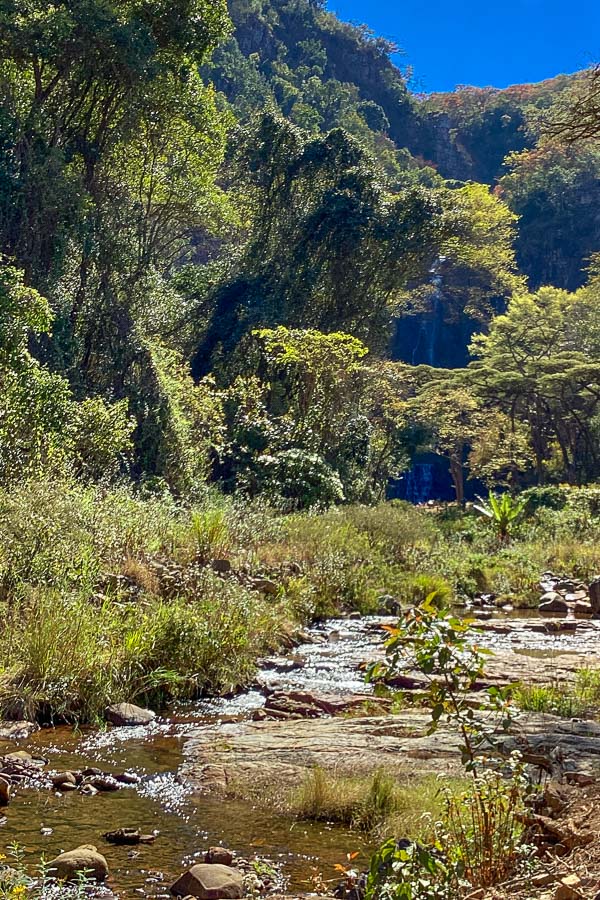
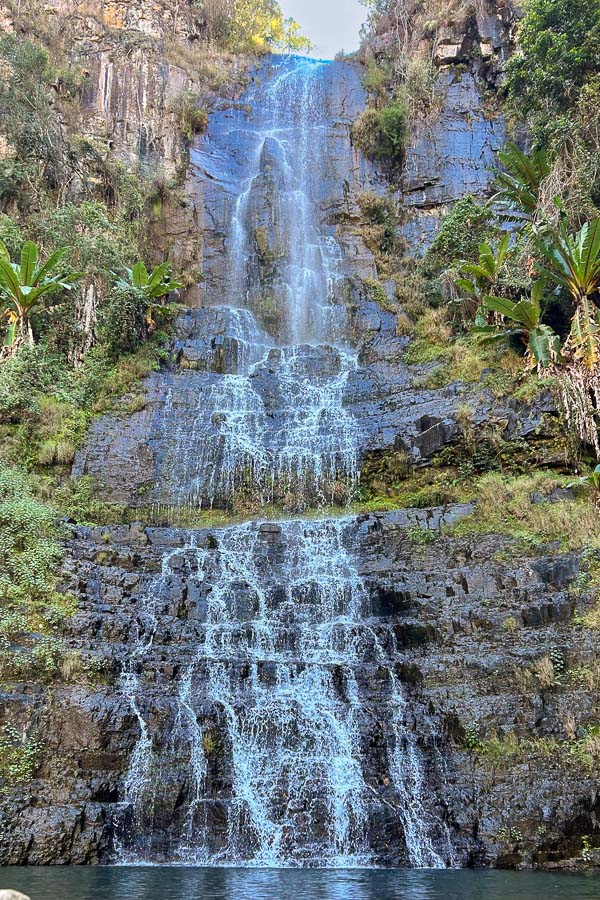
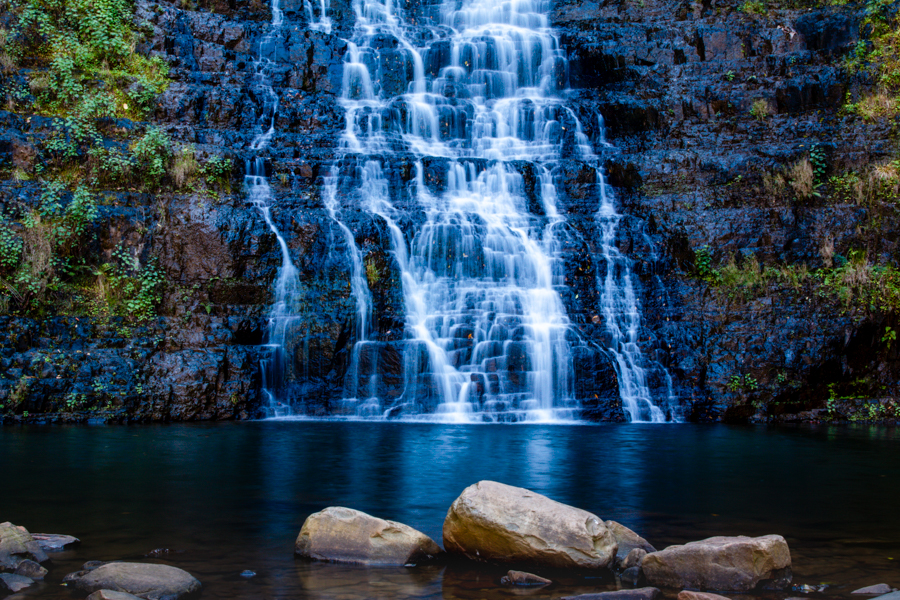
There are several beauty spots around the town which is nestled at the bottom of an impressive mountain range. We planned to walk at Bridal Veil Falls in the National Park. A beautiful narrow fall fell into a clear pool set back in the cliffs carpeted with ferns and framed by miombo forest.
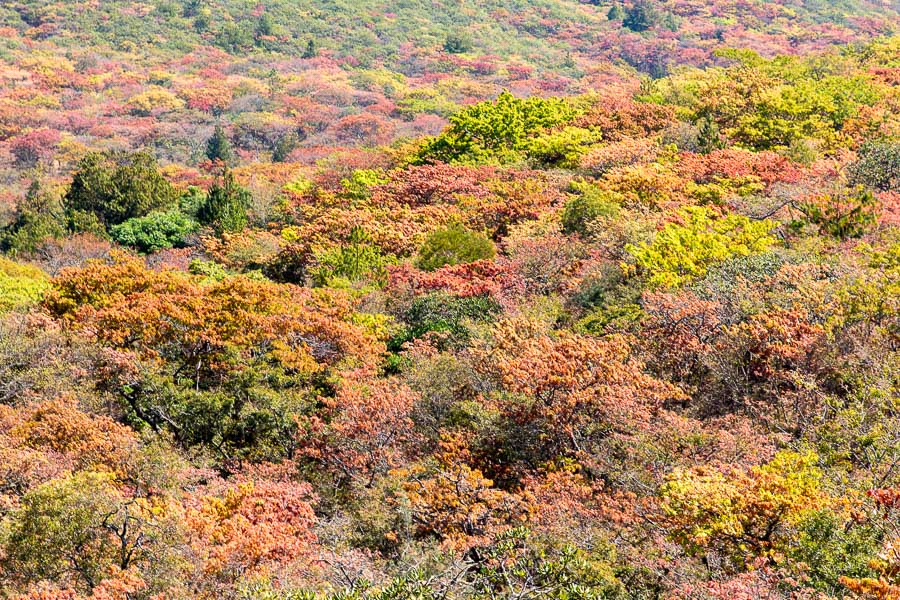
The forest was particularly beautiful with a multicolored canopy of reds, oranges, yellows and multiple shades of green. When the sun hit it glinted and pulsated with color.
From the falls we climbed a trail to the top, 500 m ascent in just over 1 km so pretty tough. I nearly gave up but Dudley pushed and prodded me along and I got there eventually. We rested before an even more hairy descent. Sonia and Mike walked on a further 3-4 km to a view point called Pork Pie which is a hill next to the village where the telecommunications masts are.
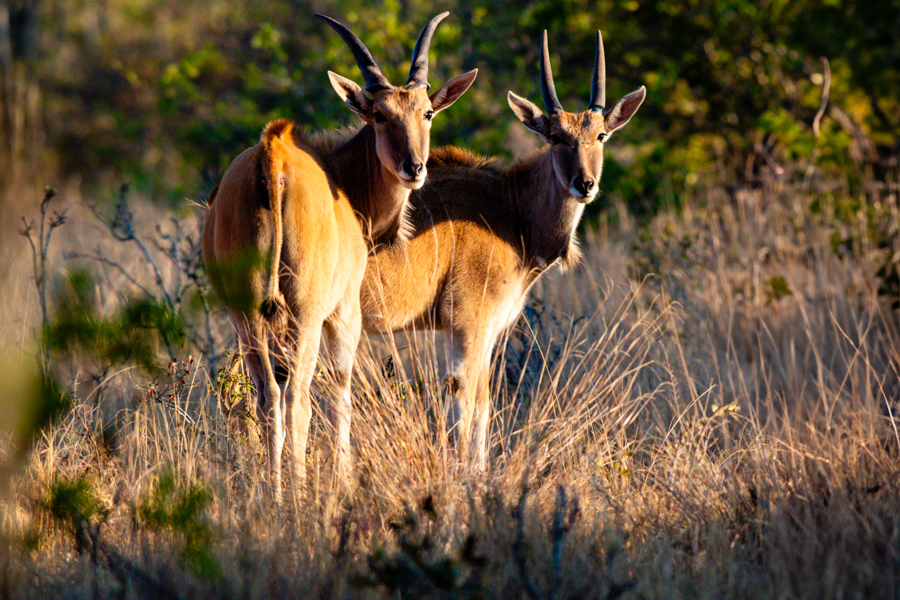
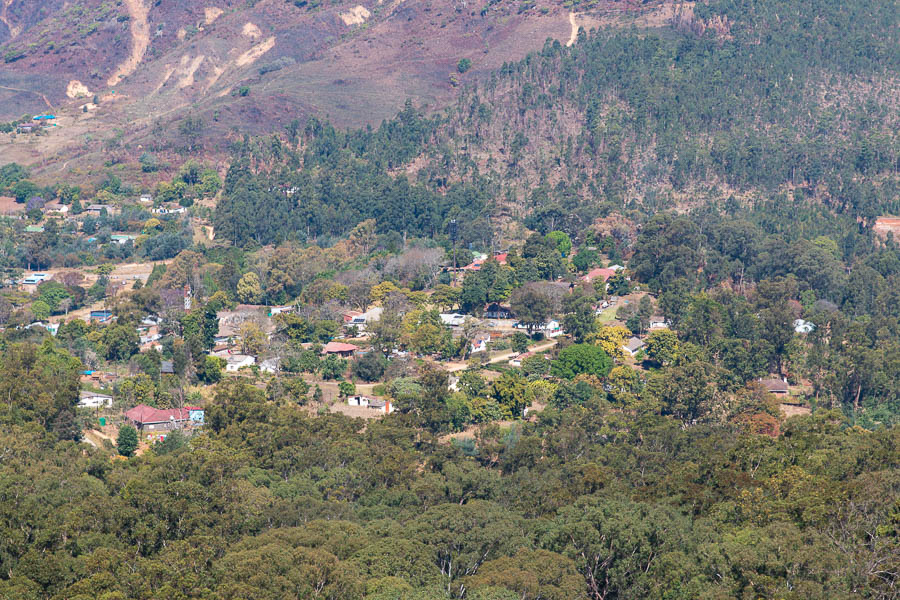
View of Chimanimani village from Pork Pie Hill. It used to be an eland sanctuary but not much of the game remains.
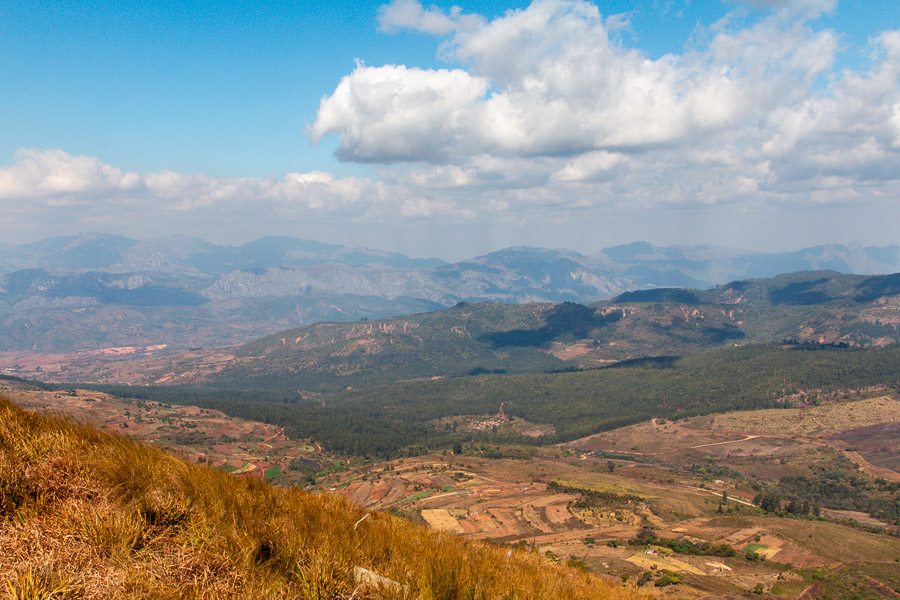
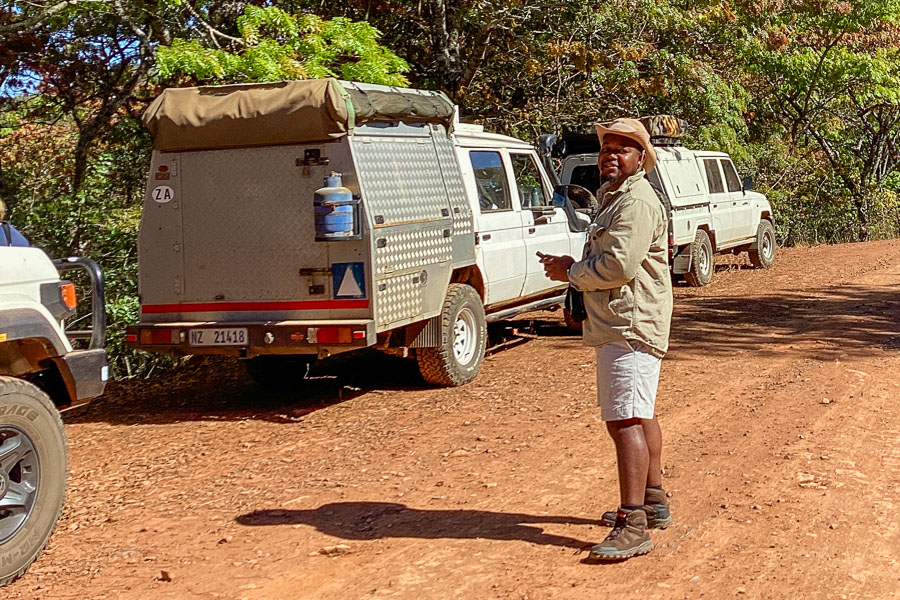
Tim the bird guru
Andy from the lodge had arranged a guide, Tim, for the next day to take us birding. He arrived at 7 and we set out back to the Bridal Veil road to spot some forest specials.
These tiny forest birds are really tricky as they are small and hide in the canopy, but with the help of bird calls and Tim’s expertise we had intriguing glimpses of a few lifers. Miombo tit, Roberts warbler, Variable sunbird, Scaley throated honeyguide and Starred robin to name a few.
Photography was, however, particularly challenging. Many sightings consisted of looking up at the feet and bottoms of tiny birds obscured by the leaves and brambles. How does so much noise come out of such a tiny creature?
In the afternoon we moved to a place called The Corner in the top end of the Chimanimani mountain reserve. It’s an alternate route to reach the serious mountains by road. Otherwise the only way in is by some fairly hardcore hiking.
The road was predictably bad taking over 1 1/2 hours to drive 20 km.
The Corner started at a rather run down camp site, apparently vandalised for the pipes and fittings shortly after it was refurbished.
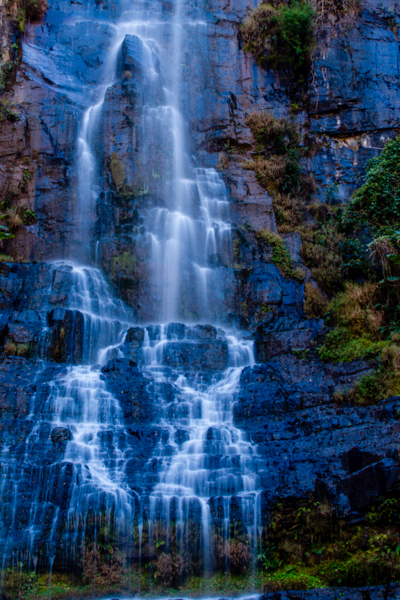
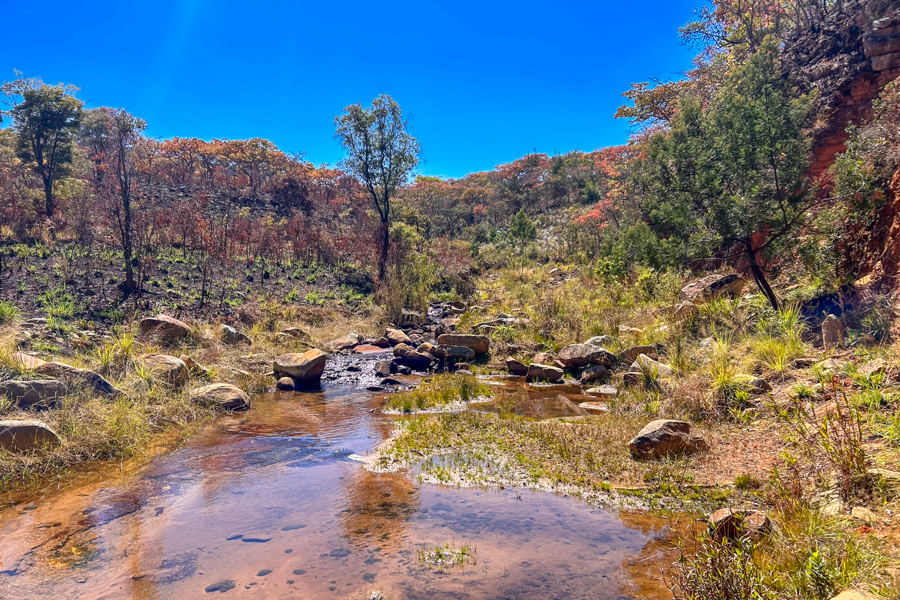
We found the Greater honeyguide and the Yellow white eye and walked down the river and to a small waterfall which was beautiful.
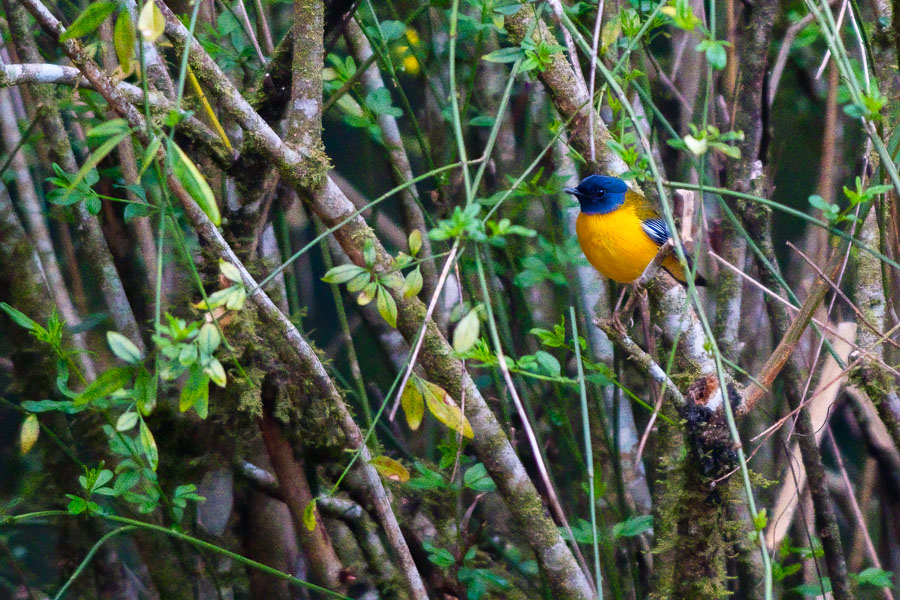
White-starred robin
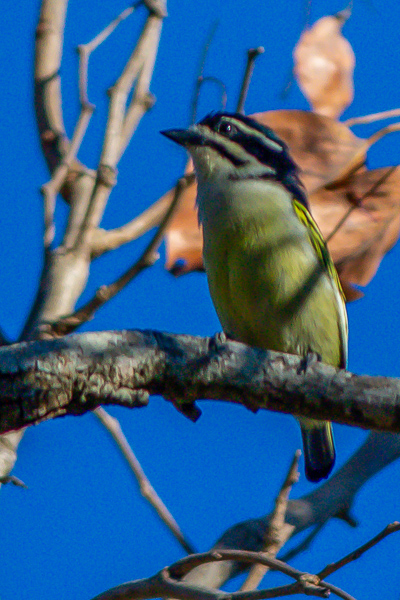
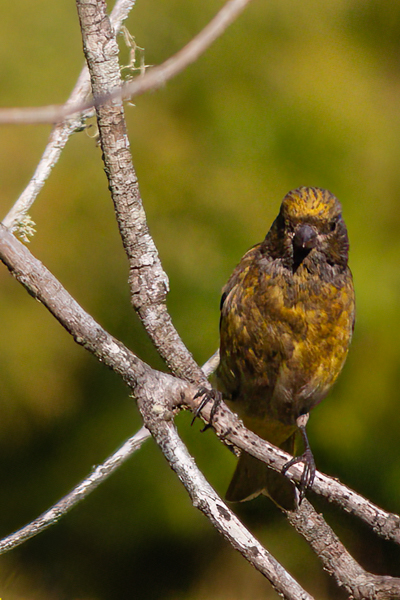
Yellow Rumped Tinker Bird
Dark Backed Weaver
Sparkling Falls
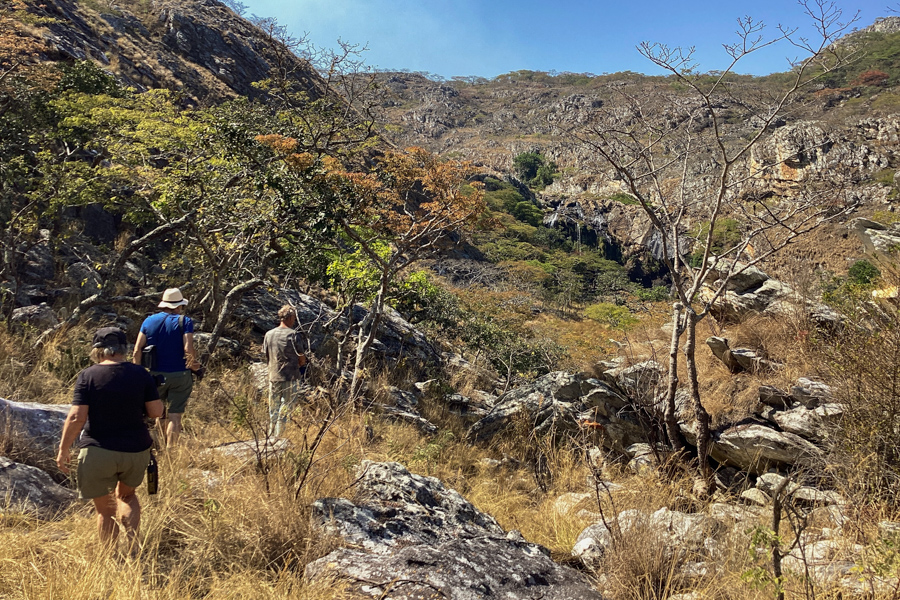
The mountains surrounded us with views across the valleys into Mozambique. The Chimanimani mountains on the Mozambique side have been part of a transfrontier park since 2003 but during the Mozambique and Rhodesian civil wars the area was heavily mined to prevent guerrilla movements. Now the biggest threat is from illegal gold miners.
We ambled back to the lodge quite late and tumbled into the lodge to enjoy the fire and also because they had promised us they would resurrect the pizza oven in our honour. We had ordered our pizza in anticipation 2 days before. A load of locals also arrived to sample the pizza. It seems it used to be a favourite fixture back in the good old days when the guests flowed freely into town. It was a jolly evening and the pizzas were delicious. We staggered back to bed happy to be free of the kitchen chores for one night.
Mutare
Next day saw us back on the road to move north to Bvumba. We decided to detour to Mutare to extend our visas while we were in a big enough place. At the border they only issue a one month visa. They told us we could extend it anywhere but we were wary, knowing our itinerary would be mostly on the roads less travelled. We have experienced this before in Zambia and in Ethiopia with costly and long detours so better be safe than sorry.
As the law allows us a 3 month stay and 3 month TIP (temporary import permit for the cars), I still do not understand why this could not be negotiated one time at the border. But other countries are the same so there is nothing to do but follow the rules.
Mutare is the third biggest city in Zimbabwe and is a major trade hub sitting on the road and rail route between Beira, in Mozambique, and Harare. It is a spacious town with wide roads but pretty busy.
We found immigration and after some wheedling they agreed to extend the visa, even though our existing visas had not yet expired. The renewal would not include the remaining time on the old visa but it would take us to the end of the trip so we were fine. Then they told us we also had to extend the TIP at ZIMRA as well and so off we marched to another office down the road. Predictably this meant visiting about 3 counters and also the bank to deposit the money so 2 hours later we were lighter in the pocket but square.
We were feeling pretty smug with ourselves but later found out we could have renewed the visas in Kariba just as easily. Oh well.
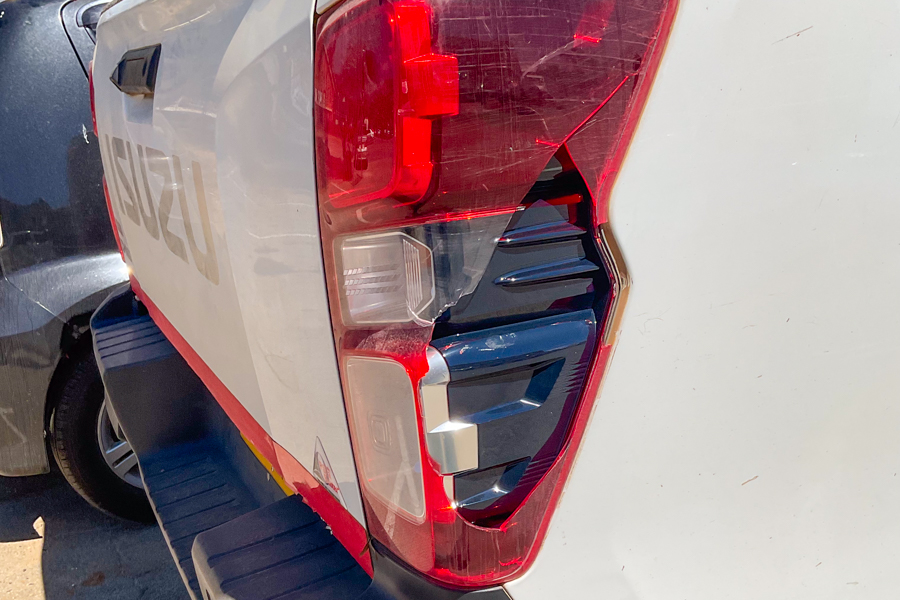
We had parked the cars in a secure parking at Holiday Inn and, as it was lunch time, we found a coffee shop. When Dudley went to fetch the car he managed to take out a rear light on another parked car, despite the car guard directing him. I was more upset about the US$ 1 tip for the car guard than the US$ 200 to fix the guys’ light. I know, daylight robbery.
Miombo Magic
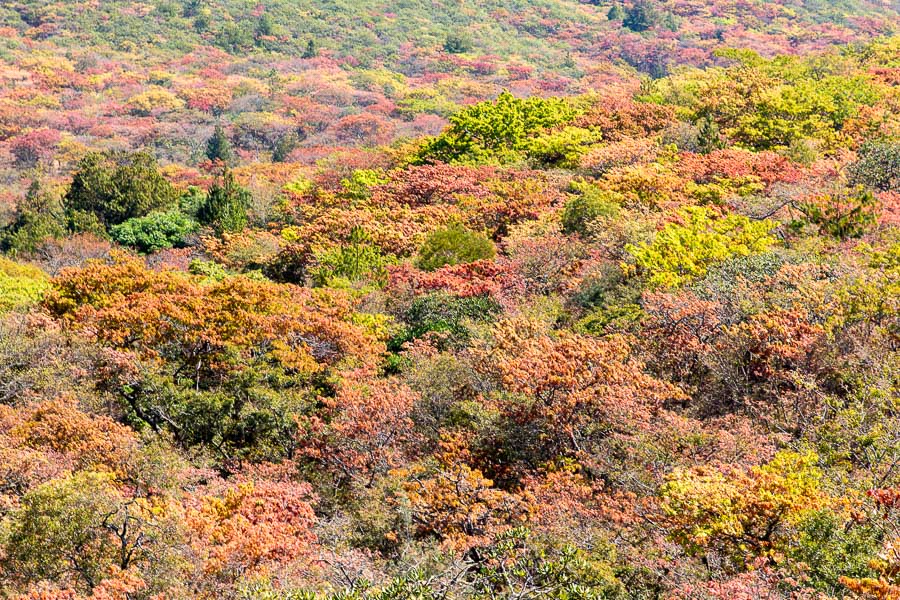
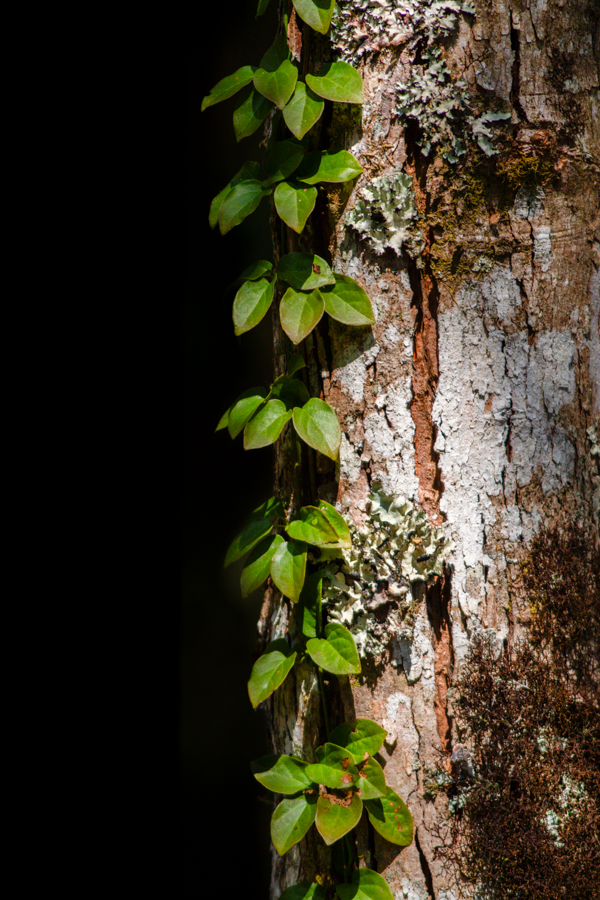
I want to introduce you to another of my pet enthusiasms, the miombo forest. Miombo drops its leaves in the dry season to conserve water. It puts out leaves just before the wet season but the initial leaves are red, orange and yellow, masking the chlorophyll with anthrocyanins. I think this is to give the tree a chance to develop foliage and generate energy before it is browsed. Later in the season the leaves are green.
The fact this multicoloured growth is new growth, and not autumnal decay, adds to the beauty and intensity of the display. When the light hits it bursts with colour and energy.
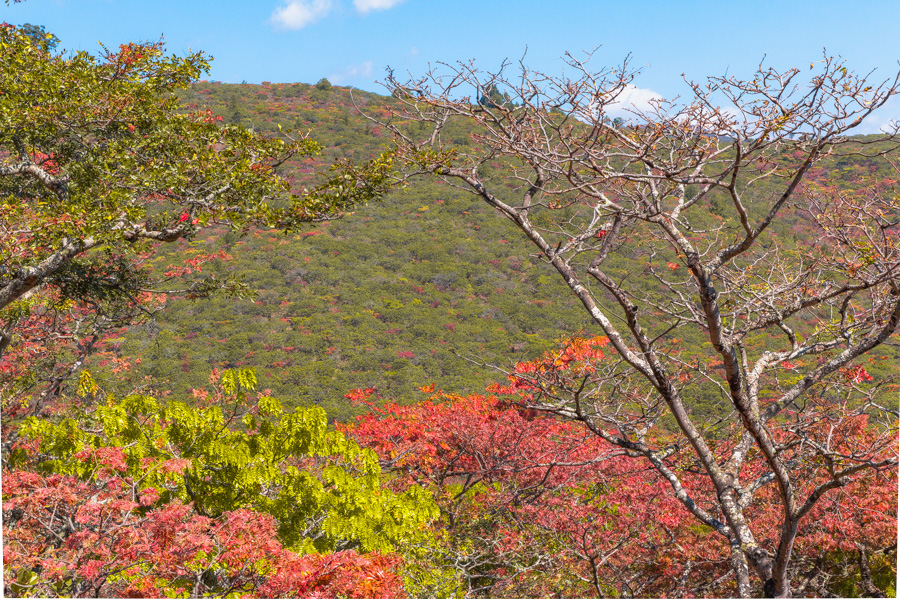
We first came across it in Zambia and Tanzania more than 9 years ago and the more I see of this woodland, the more captivated I am by it. It has a complex and incredibly diverse role in nature and in the community, and in the right season, it is one of the most beautiful wild habitats around. Here in the Eastern Highlands miombo is well represented, and we arrived at the peak of its beauty.
Miombo is a deciduous woodland occurring in areas of arid sub tropical and tropical climate in Southern and central Africa.
It is found from CAR through Angola, Zambia, Tanza, Zim and Northern Moz. Indeed, covering 1.9 million square kilometres, it is the largest dry forest in the world.
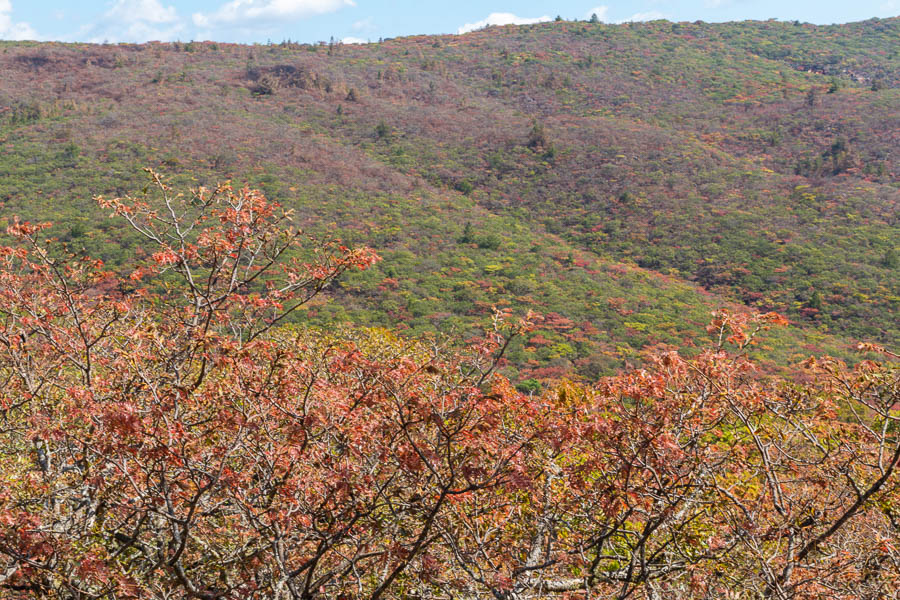
The dominant trees are Brachystegia sp, Julbernardia and Isoberlinia. They grow in a nutrient poor acidic soil. The trees are fairly well spaced and support 8500 species of plants, half of which only occur in miombo. Grasses, shrubs and ferns thrive between the trees.
These ancient woodlands also play a continental and even global role: They protect vital watersheds, including the Zambezi basin, shelter some of the world’s most iconic large mammals and sequester significant amounts of carbon.
More than half the remaining wild elephant population survives in miombo forests.
Miombo plays a vital role in sustaining the people that live within and around the forests, providing food, medicines, building material and fuel. Honey is commonly harvested here and termite mounds flourish. There is a symbiotic relationship between fungi and the tree roots which support up to 77 species of edible fungi. How is that for some kind of amazing.
In Zimbabwe it has been calculated that in years of poor harvest up to 40% of the local peoples calories are derived from wild foods from the miombo.
Of course it is under threat. You only have to look at the volume of charcoal coming out of the forests to register that.
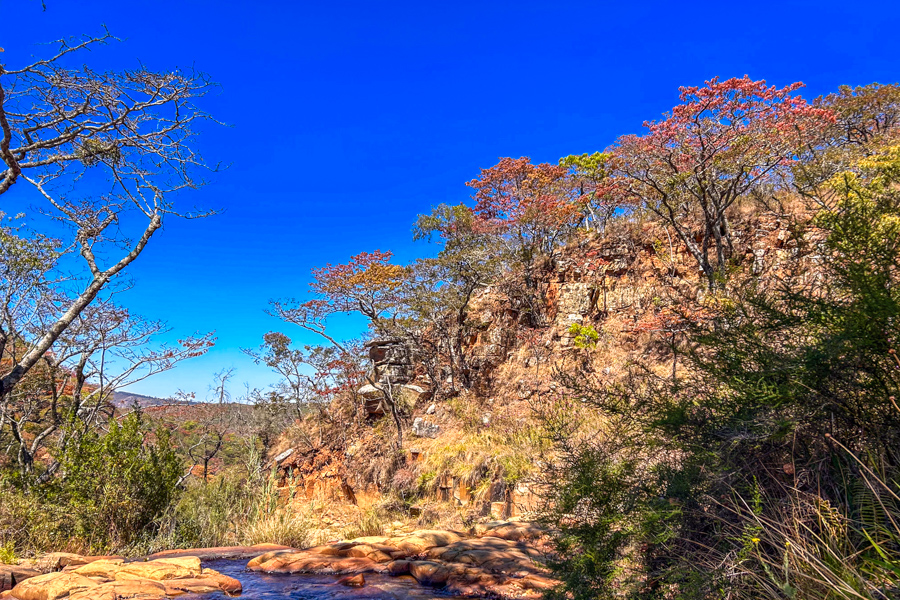
But it is not all bad news. Mozambique is spearheading a sustainable program for miombo, recognising its critical role in socioeconomic and conservation success. The miombo is ideally suited to this type of program. It is hardy. New shoots grow out of cut tree trunks and it puts out suckers from underground root stock. So provided the roots are undisturbed it can regenerate and it can tolerate regular cutting and harvesting.
What a fabulously complex, rich and generous biome. Yet, compared to the more famous Amazon and Congo rainforests, Miombo hardly registers in the global consciousness. Well I hope I have put that right.
Look out for it on your next travels.
Vumba
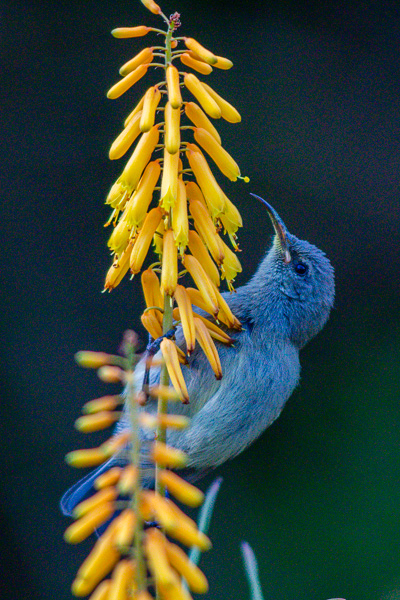
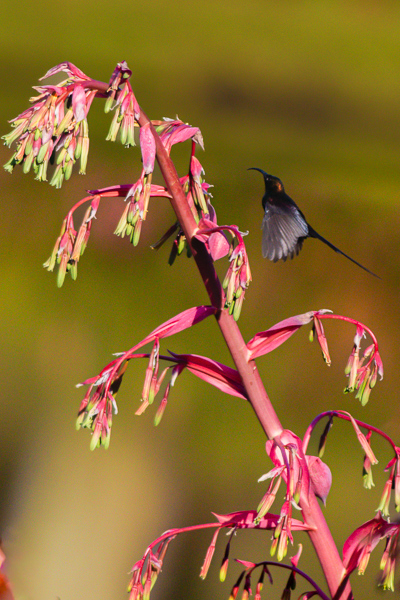
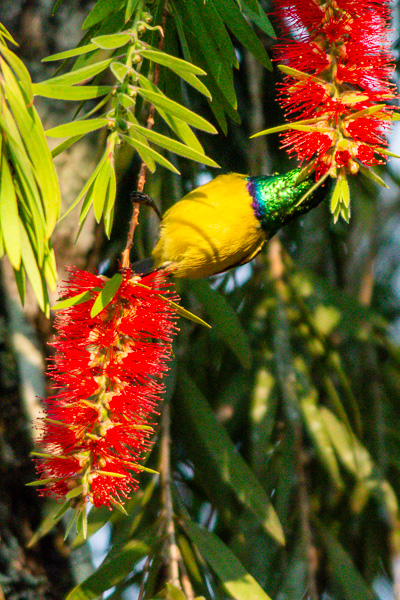
The Bvumba or Vumba mountains are the second area in the Eastern Highlands. This range is slightly lower than Chimanimani at just under 2000m. The area is lush with beautiful green capped rolling hills, country hotels nestling in valleys and a botanical garden with one of the best views in Africa. Miombo forests cover the hillsides and higher up proteas, aloes and strelitzias can be found. Bvumba is Shona for mist and the hillsides are often swathed in mist in the early mornings.
We managed to lose each other en route which slowed things down. Eventually we met up at Tony’s coffee shop. (Great minds think alike!) He had glorious coffee and a dizzying menu of cakes and gateaux set out in a perfectly manicured garden amongst the mountains. He was preparing for a fete to be held on Saturday, marking out pitches for the stalls. We promised to attend and finally staggered out feeling slightly nauseous from the rich cakes and cream.
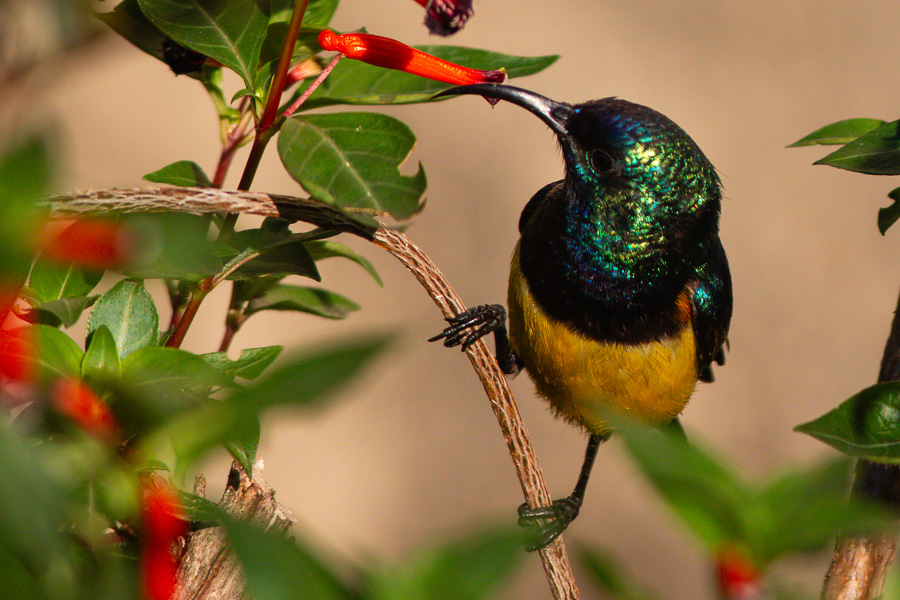
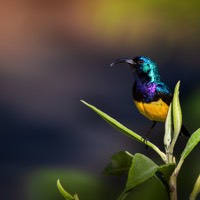
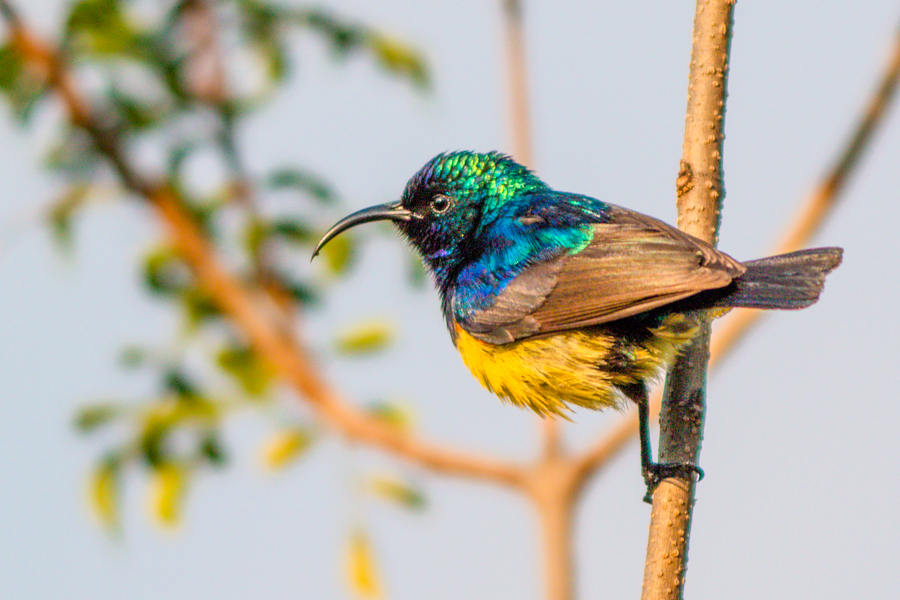
Variable sunbird
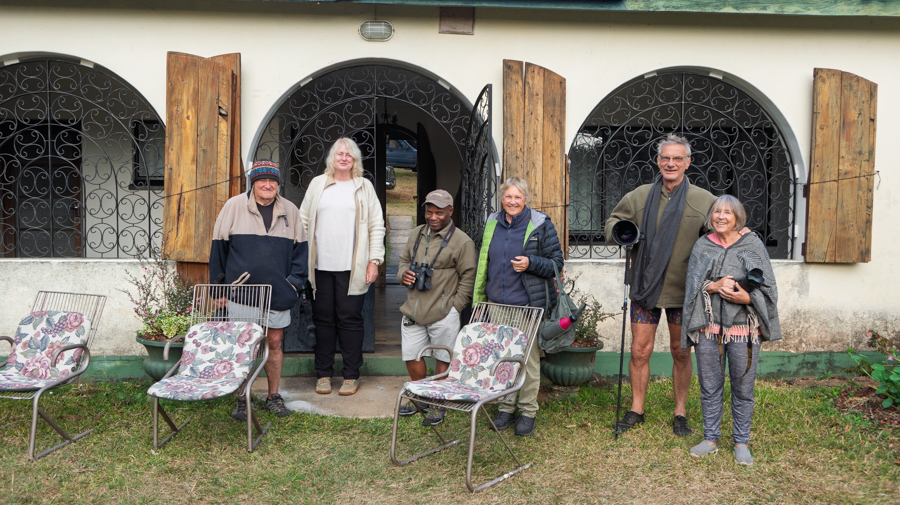
The back verandah of our cottage and the view into the garden
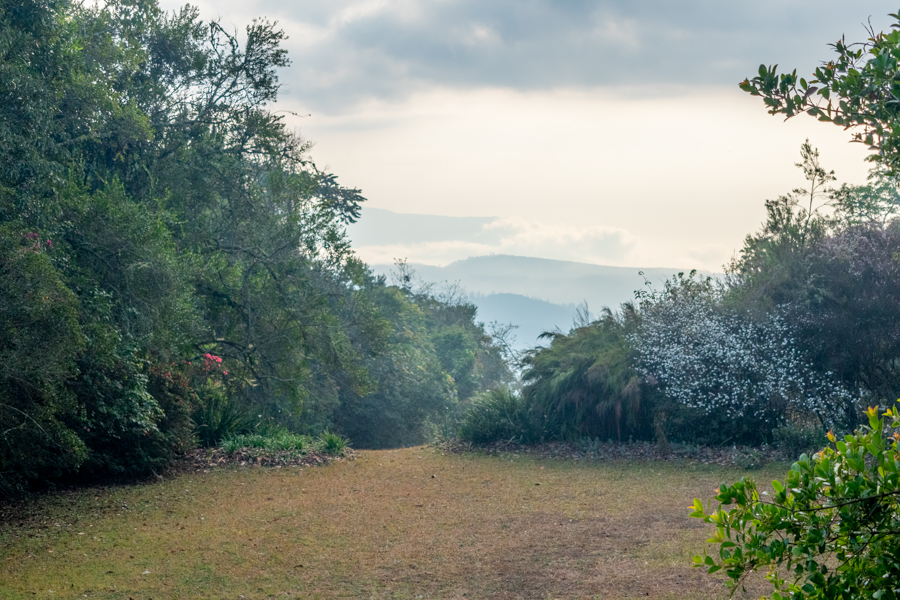
Our accommodation was at SeldomSeen and we were greeted warmly and shown around a lovely 5 bedroom “cottage” in extensive grounds leading down to a dam. Beautiful flowers bloomed and we were the only clients so we had it all to ourselves. Small antelope, probably blue duiker, roamed the garden.
There was a spacious lounge with a roaring fire. Truly a little slice of paradise. We had moved up to movie star status from borderline homeless people. This is a venue that will be familiar to most birders as it has the reputation of an excellent birding site with a highly talented resident guide, Buluwezi.
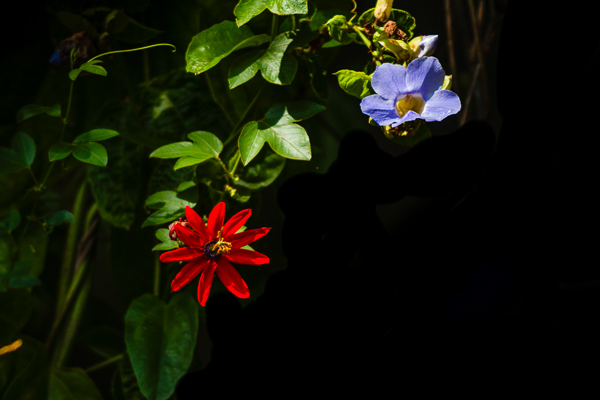
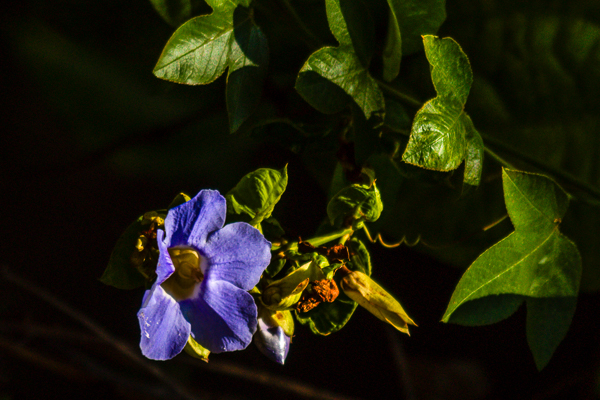
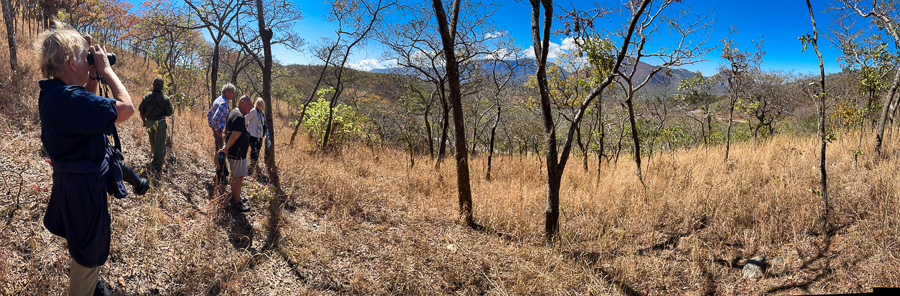
Searching for birds with Bulu
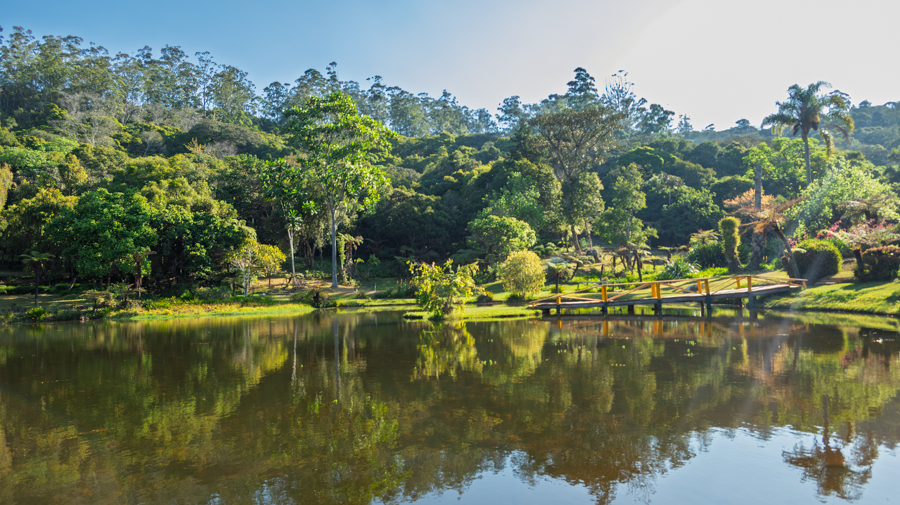
The Vumba Botanical gardens
We met Buluwezi at 6.45 and set off for the forests. We birded all morning along the road picking up so many new birds. Again they were small birds flitting in the canopy but Buluwezi was amazing at recognising and filtering the calls and then drawing them out. The highlight for me was the Spotted tree creeper. (Sorry no photo, he was fast!)
We trekked up and down plantations before returning to the road. Bulu was so persistent that he found most of what he was looking for but it took time. The Swynnerton's robin remained elusive but we heard him.
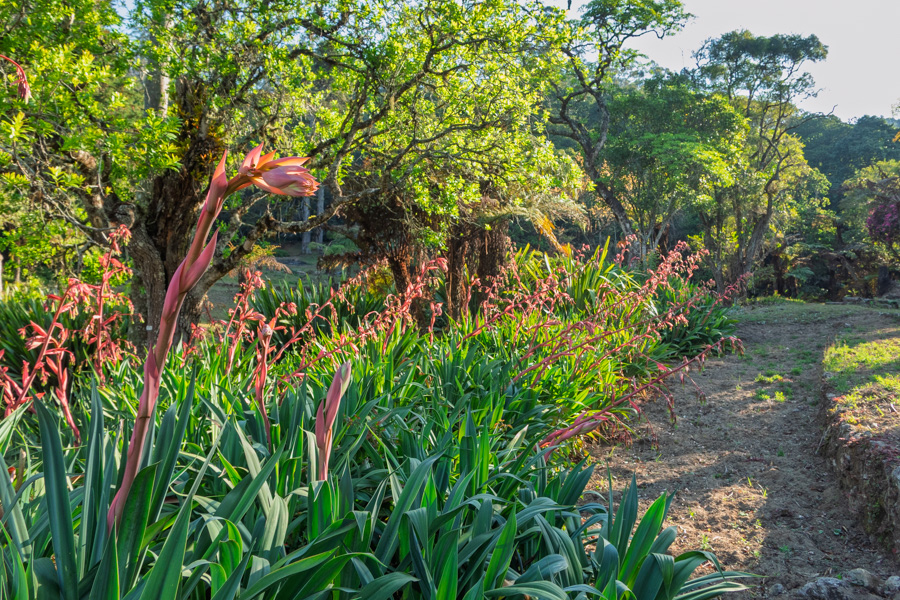
In the afternoon we drove to the Botanical gardens. It was a beautiful area with lots of different spaces and plants. A bit neglected but overall still really beautiful. Lots of flowering plants and trees and azaleas. Also a lot of invasive ginger. There was a lake and then walks meandering through forest.
We found a lot of our birds again and a few new ones. The birds were slightly easier to see in the open garden areas. We wandered through glades and along tree lined paths for the afternoon before turning for home as the light faded. All in all an amazing day. We had learned a lot about birds, their calls and how to spot them. We had learned a lot about Bulu"s persistence as well. He was tireless.
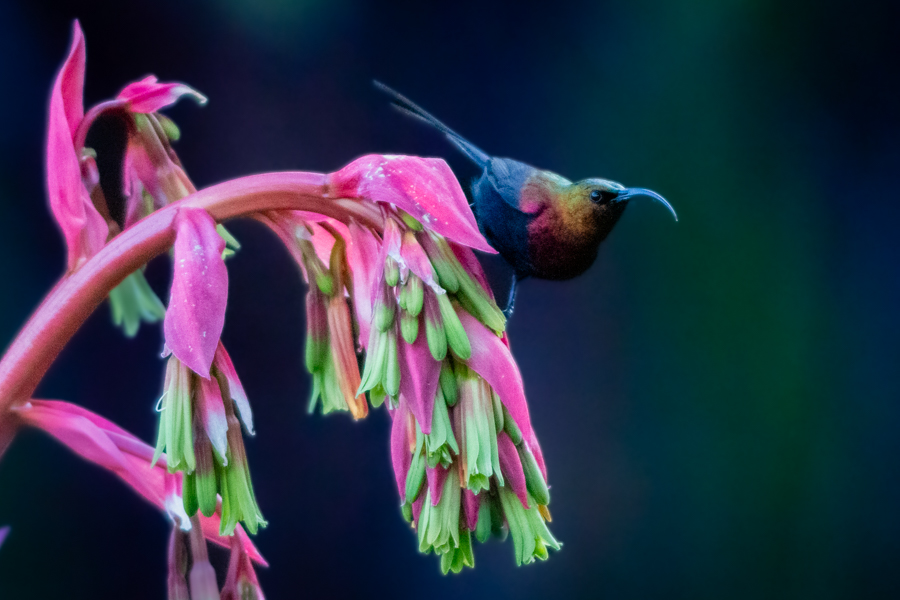
Bronzy sunnbird on the invasive ginger flower
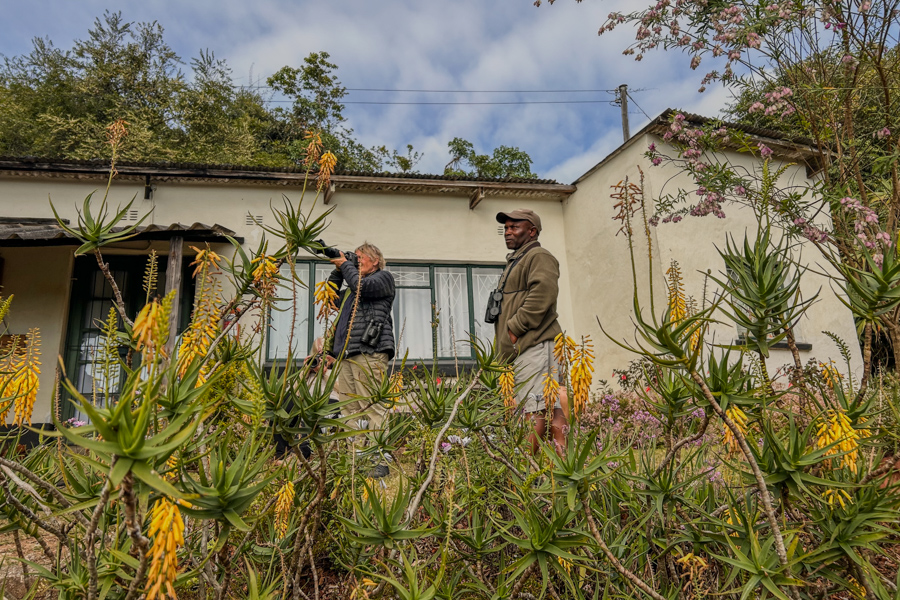
Bulu guiding us in the gardens of SeldomSeen
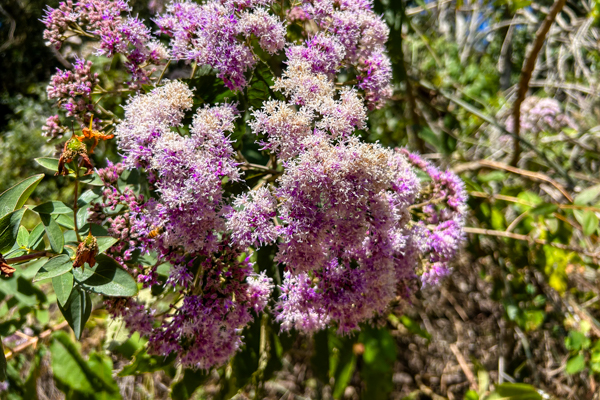
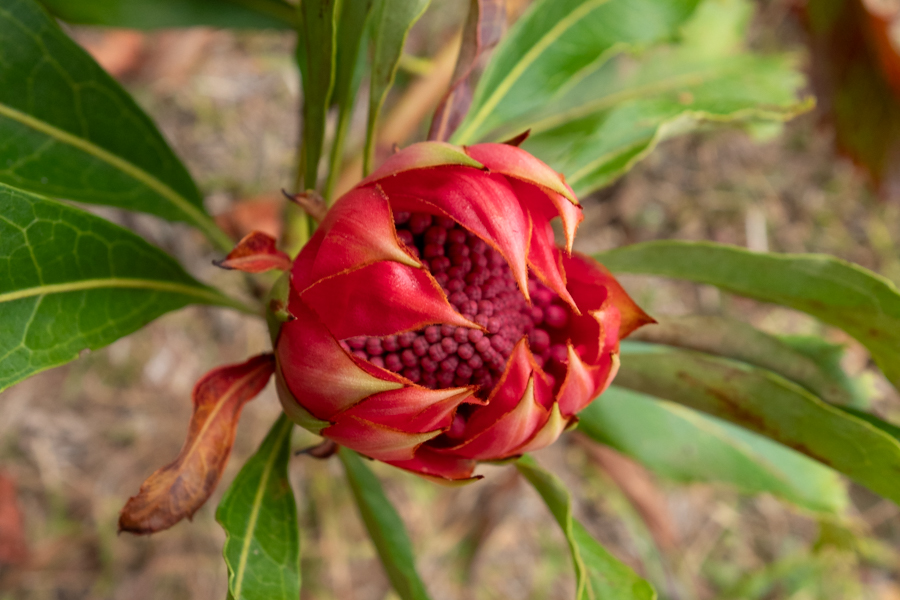
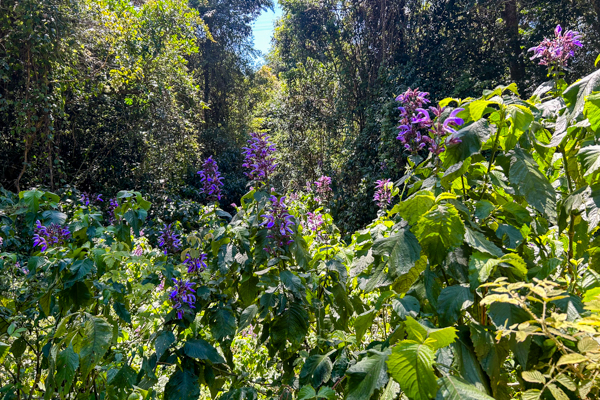
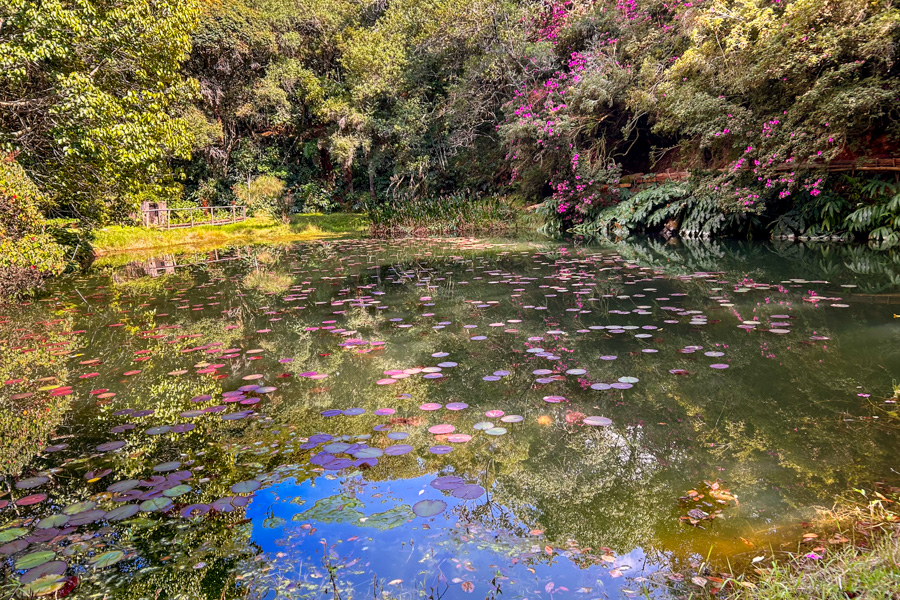
Next day we had arranged to meet Bulu again to explore the cottage gardens. The gardens are amazing. Proteas and azaleas and hydrangeas, begonias, fushias and aloes. We had better sightings of the olive bush shrike and the Livingstones turaco as well as the Cheek striped and Yellow streaked greenbul. All the sun birds were in the flowers and a Martial eagle patrolled the sky above us as well as two Auger buzzards. We also saw a sun squirrel in the tree.
At 10.00 we bid farewell to Bulu . He had done a great job with us and we were grateful to him for sharing his skill. We were also a bit dizzy with a crick in the neck trying to spot the small birds.
We wandered off to make an appearance at Tony’s fete for lunch.
It was packed. Stalls and people everywhere. Lots of food and drinks stalls and a smattering of crafts, bags, books, honey, jewelry, beading etc. Everyone seemed to be there for a good time, making the most of what they had. Live music played. We had fresh juice and crispy mushrooms and bought veggies and biltong.
It was good to see such a solid community. They even knew about Dudley’s crash in Mutare. They also laughed and said we over paid for the broken light. The bush telegraph was clearly beating loud and clear in this area.
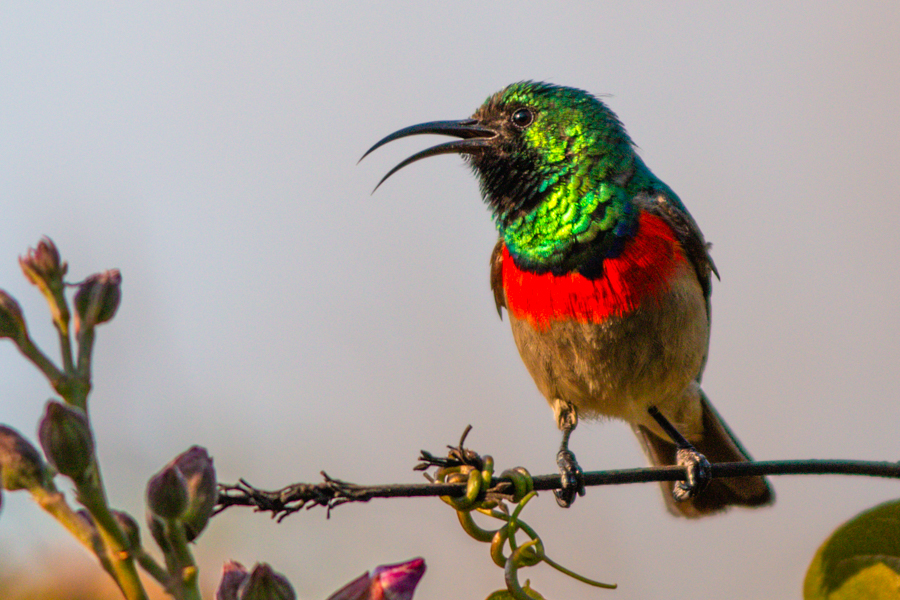
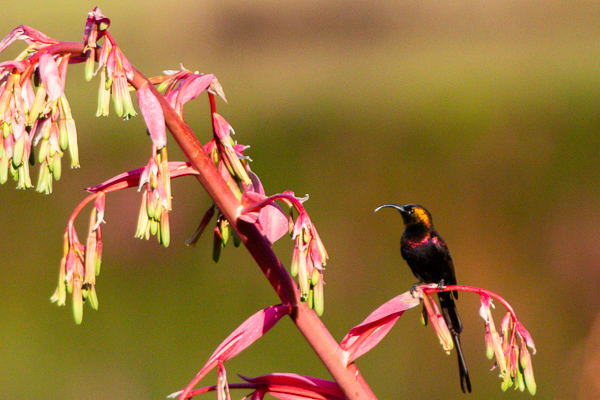
Double collared miombo sunbird
Bird Tales
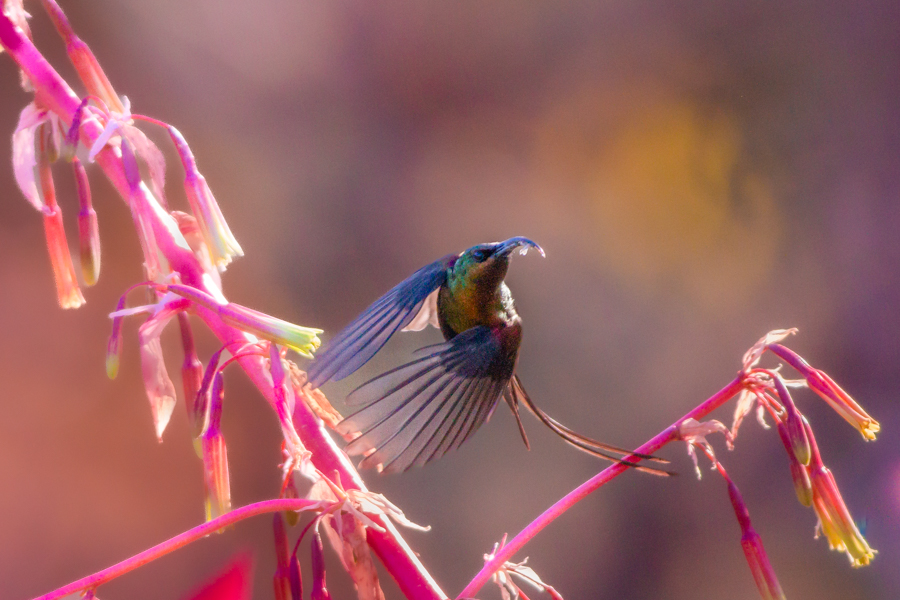
So why is the Eastern Highlands such a Mecca for birding?
The main reason seems to be the diverse ecosystems blending Montane forest, Miombo and lowland evergreen woodlands and grasslands in a relatively small area.
Additionally areas here have remained remote and secluded which has led to small undisturbed pockets of birds otherwise only found in more remote locations. There are more than 300 birds found in this area, Bvumba alone has a checklist of 250 birds. Many are very sought after. The Chirinda apalis, Robert's warbler and Swynnertons Robin are found almost nowhere else.
-
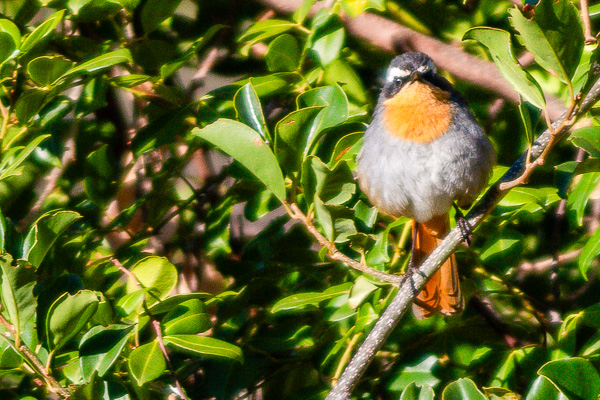 Olive Bushshrike Buff morph
 -
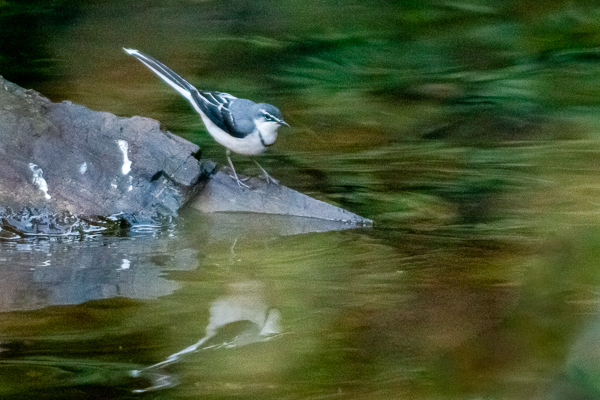 Mountain Wagtail
 -
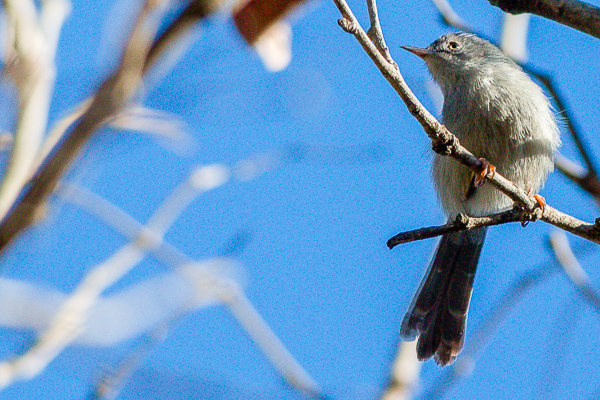 Chirinda Apalis
 -
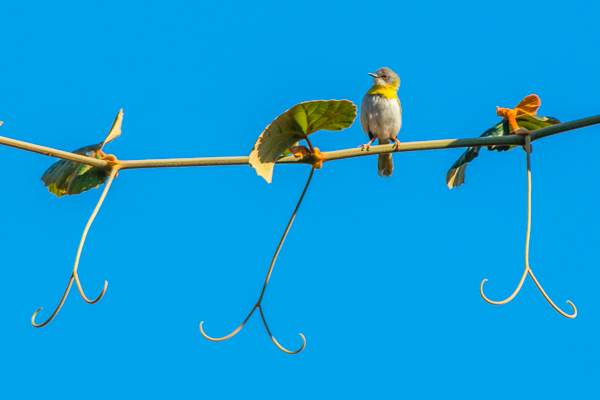 Yellow-breasted Apalis
 -
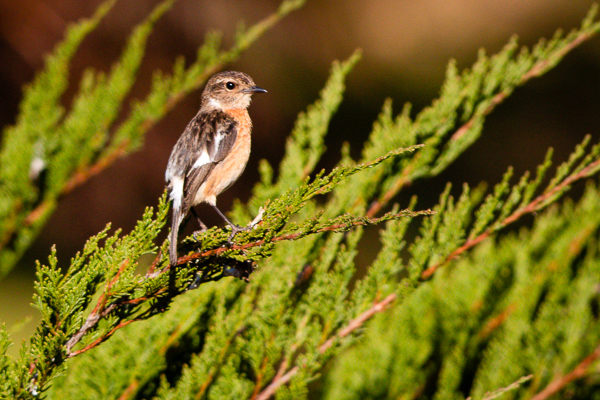 Nope dont know what this one is....Help!
 -
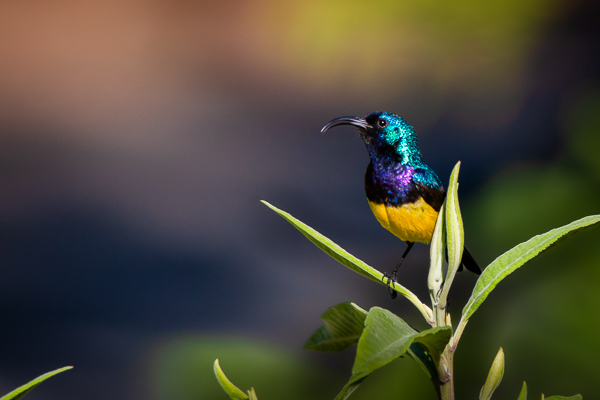 Variable Sunbird male
 -
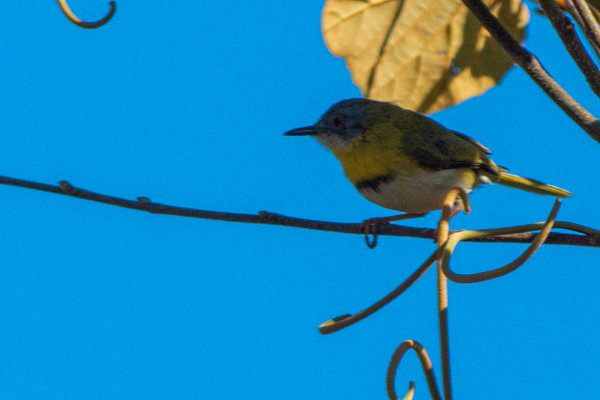 Bar-throated Apalis
 -
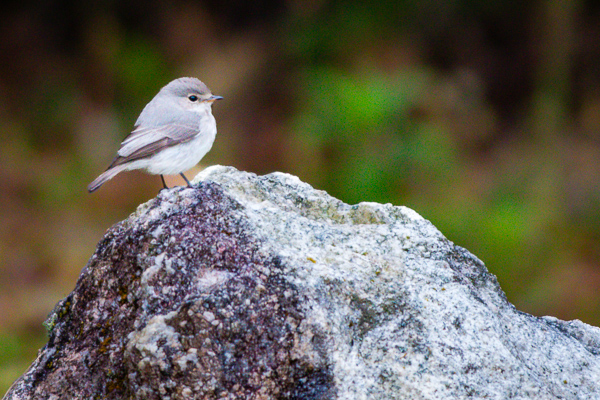 Ashy Flycatcher
 -
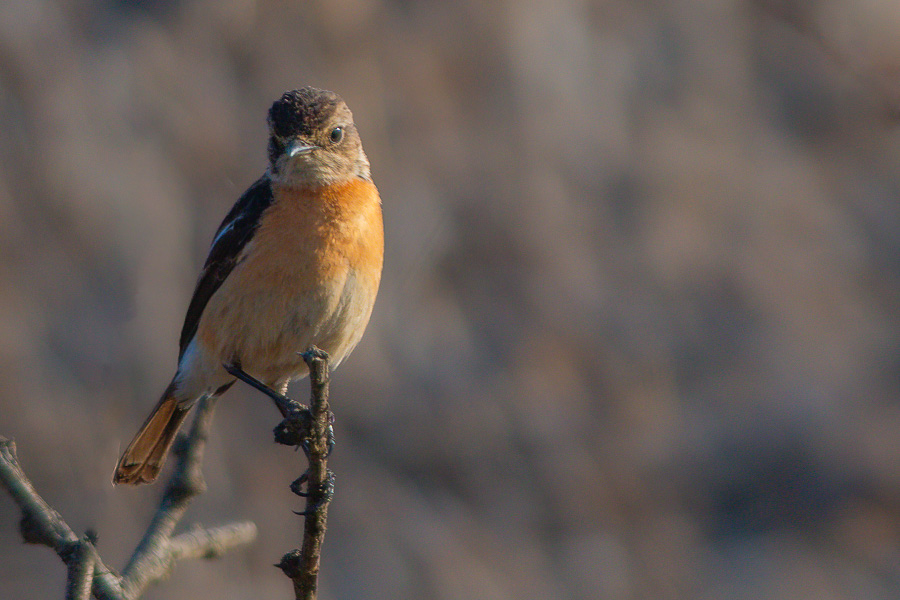 Orange Ground Thrush
 -
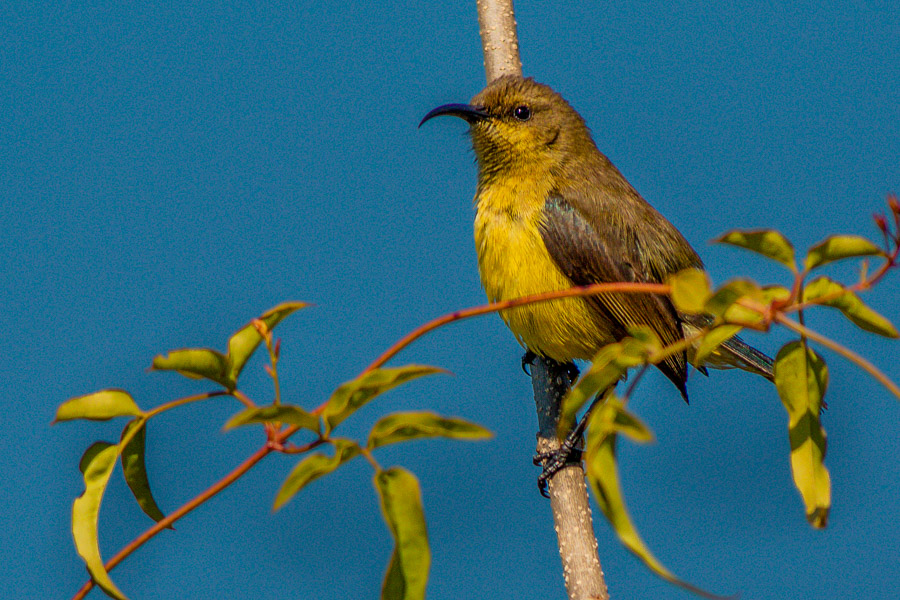 Variable Sunbird female
 -
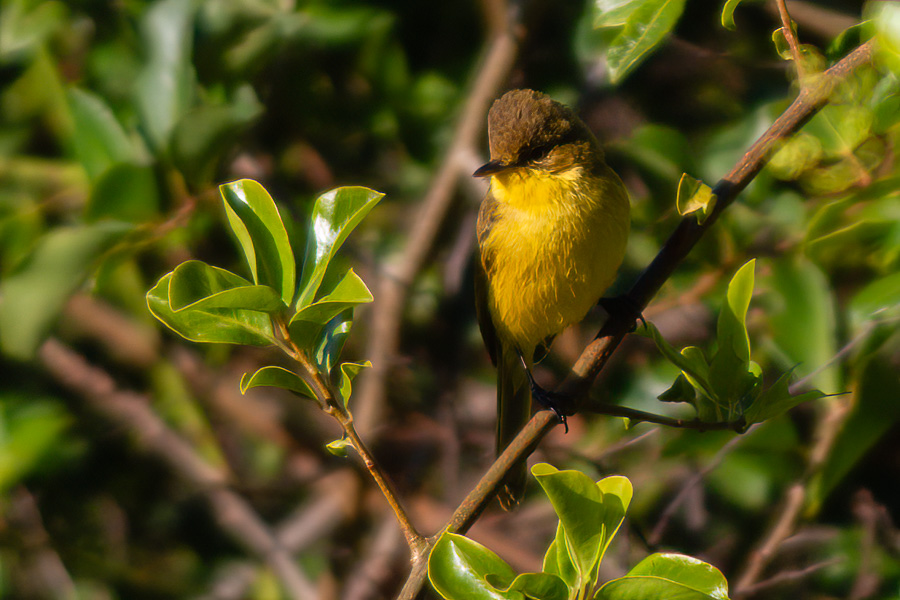 African Yellow Warbler
 -
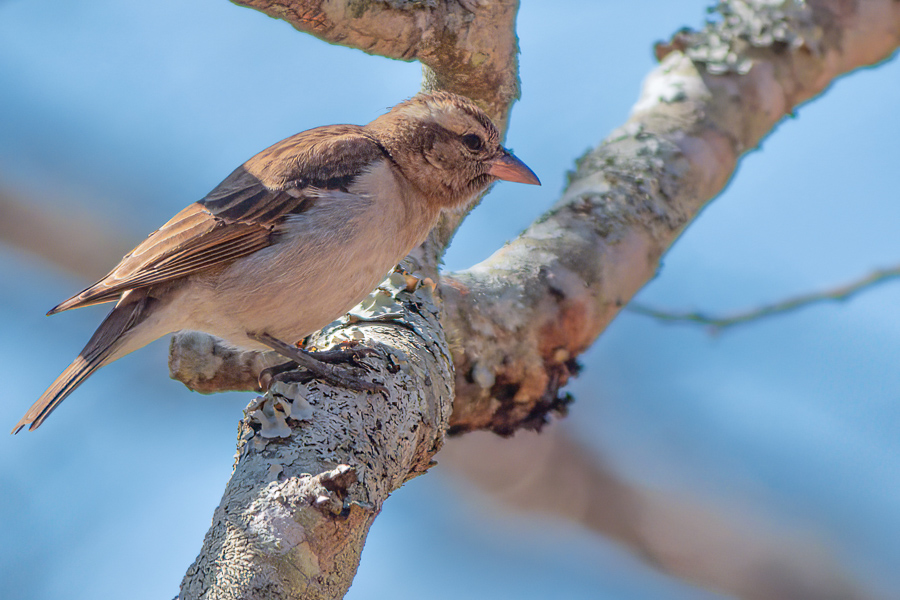 Palid Honeyguide
 -
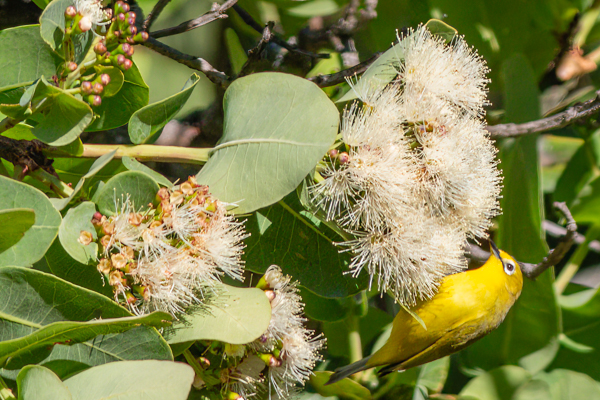 Yellow White Eye
 -
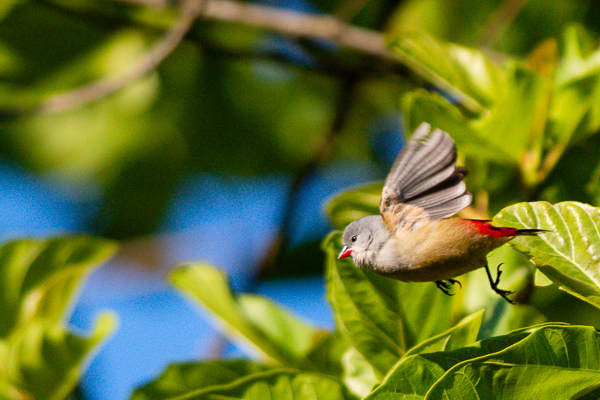 Yellow Bellied Waxbill
 -
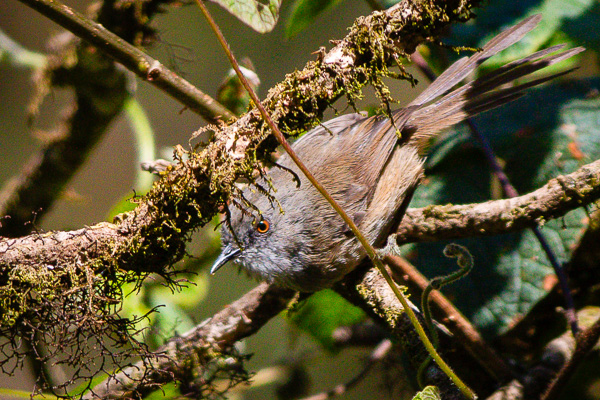 Roberts Warbler
We found 20 lifers in 3 days, just to put it in perspective. We will be back.
We had spent 6 amazing days in the Eastern Highlands and enjoyed a level of comfort generally unknown in our usual rough and ready travel. Nyanga would have to wait for another day, Mana Pools called and we set a course, as directly as we could, across the breadth of the country.